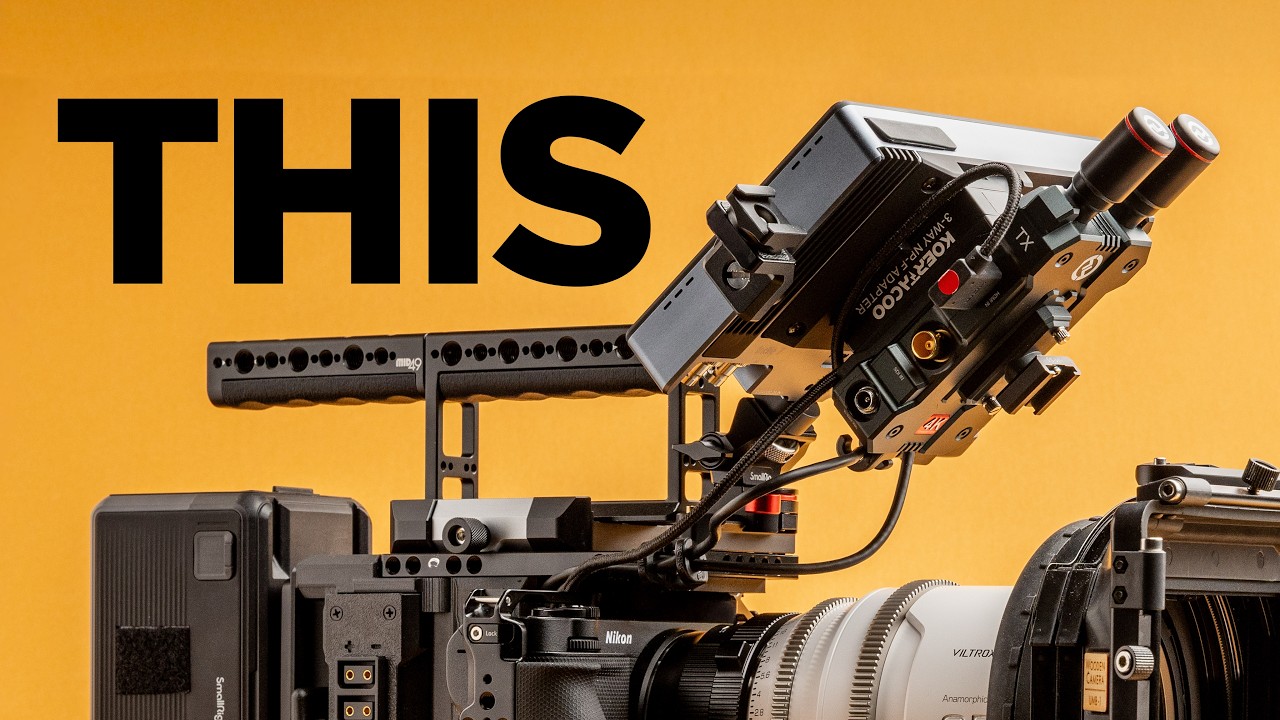
Viltrox EPIC Memento Anamorphic Lens Review: Truly EPIC!
10:41

Viltrox EPIC Memento Anamorphic Lens Review: Truly EPIC!

DSLR Video Shooter 09.04.2026 12 270 просмотров 336 лайков

Machine-readable: Markdown · JSON API · Site index

Поделиться Telegram VK Бот
Транскрипт Скачать .md
Анализ с AI
Описание видео
The Viltrox EPIC Memento Anamorphic 1.33x Full Frame lenses are SO MUCH BETTER than most other budget options. Watch to see why! My Camera Gear: http://camerafoundry.com Viltrox EPIC Anamorphic Lenses: https://geni.us/Znn7u6 SmallRig 212W Battery: https://geni.us/smallrig-vb212 GEAR MENTIONED Viltrox EPIC Anamorphic Lenses: https://geni.us/Znn7u6 CineBack®: https://camerafoundry.com/ Viltrox NexusFocus F1: https://geni.us/MvFVHS Viltrox EPIC Anamorphic Lenses: https://geni.us/Znn7u6 SmallRig 95mm Clamp on Fader ND: https://geni.us/0L4u6fh Nikon ZR Rig Video: https://youtu.be/bzyRpUCC2oU Differences between EPIC, Memento and Maestro: https://viltrox.com/blogs/new-in/epic-series-new-release-maestro-memento-pl-mount?srsltid=AfmBOorRkcd6APCQQ9m65xR1ANNRCX-2KwOun-xb0svgqLlyfFtOLk71 VIDEO SECTIONS: 00:00 - Introduction 00:59 - EPIC vs MEMENTO vs MAESTRO Series 02:21 - Focal Lengths and Mounts 03:08 - Pricing 05:14 - Flaring 06:07 - Sharpness 07:39 - Breathing and Bokeh 08:27 - Vignetting 08:56 - Real World Footage 10:05 - Final Thoughts
Оглавление (10 сегментов)

Introduction

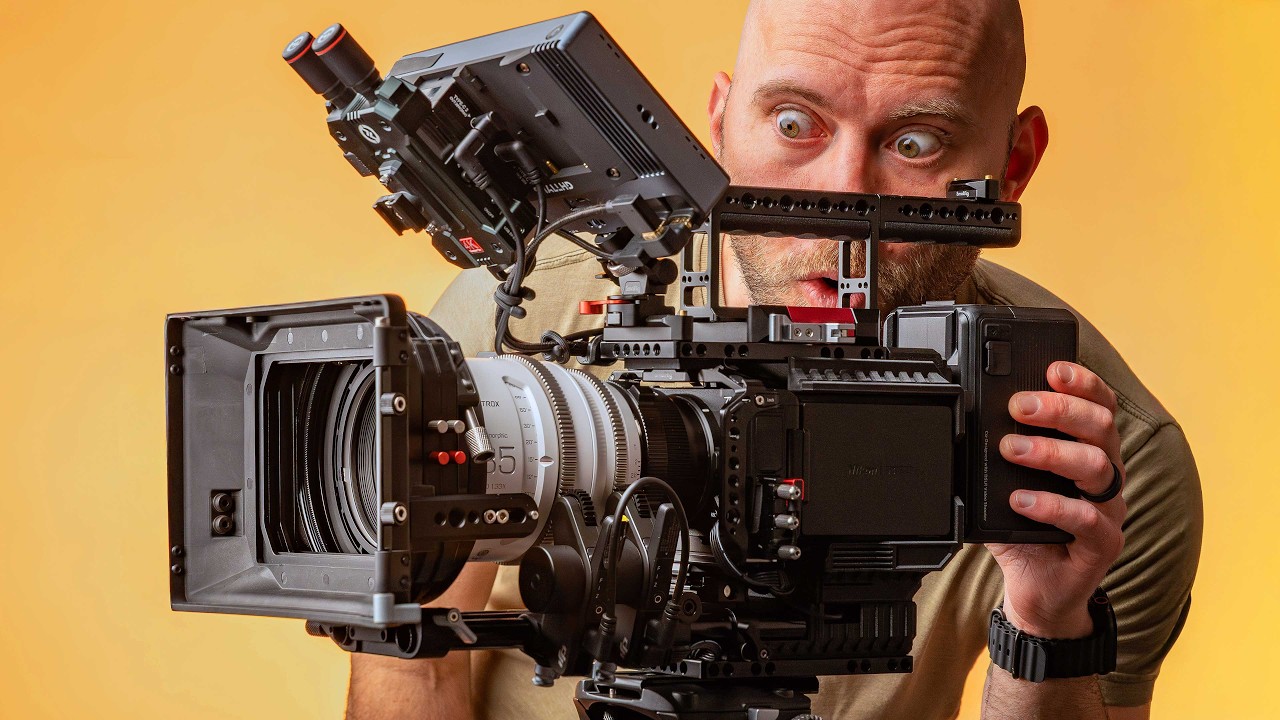
Hey guys, Caleb here with DSLR video shooter and this is the Viltrox epic momento anamorphic lens set. They cover full-frame, come in multiple different mounts with a 1. 33xd squeeze, have excellent image quality, they are incredibly consistent, and in this video we're going to talk about my results after filming with them for a while, what makes this new Momento version so special, and more. But first, a quick disclaimer. I reached out to Viltrox and asked for them to send these lenses in for review that said they are not paying me for this video. They aren't seeing it before it goes live, but this video does have a sponsor and that is Camera Foundry and Cineback, which turns your mirrorless camera into a full-fledged cinema body with a Vmount battery for all day power via USBC power delivery jacks, DTAP ports, easy cable management, and quick release functionality available now at camerafoundry. com. Check the links in the description, and thank you guys so much for the support. So, you've probably seen these pretty white Viltrox anamorphic lenses before, but probably

EPIC vs MEMENTO vs MAESTRO Series

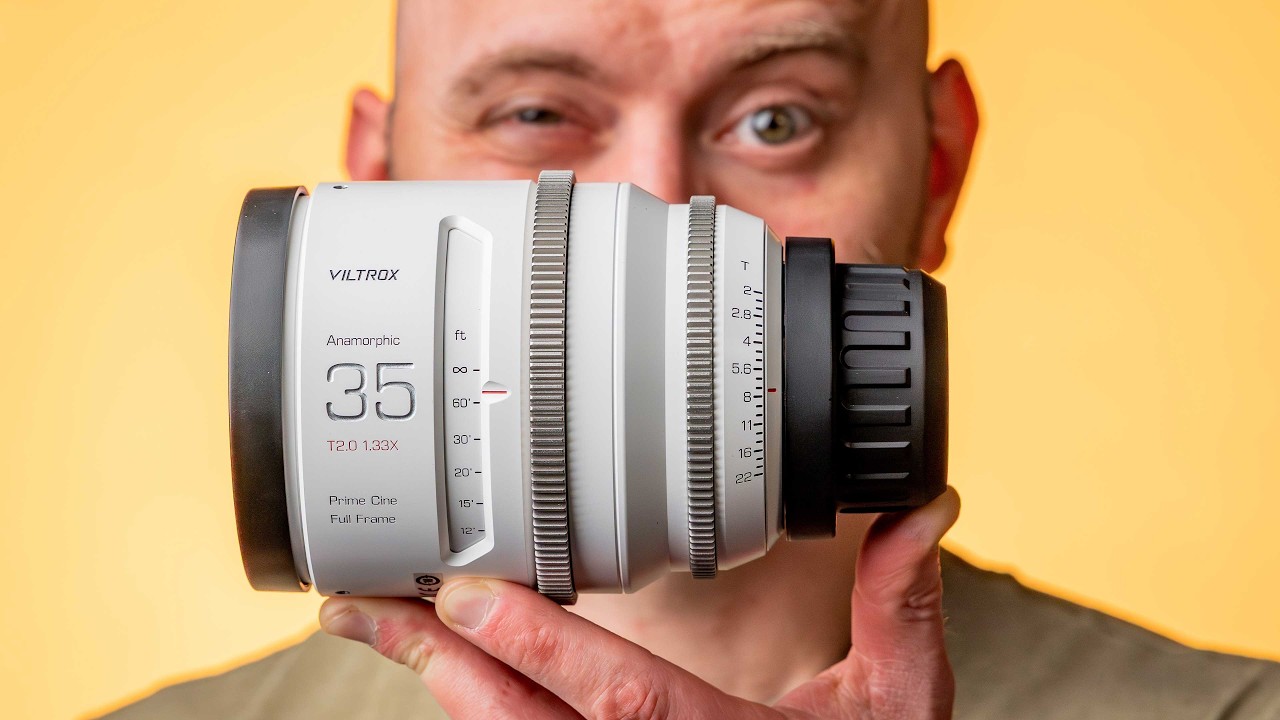
not the Momento series, which is available now alongside the Maestro series. So, let's kick this video off by talking about the different lens lines and the differences there. So, the Viltrox epic series comes in three different versions. The original just epic series, the new Momento and Maestro series. And the way you can tell these lenses apart is in the finish on the actual number on the lenses or the focal length. The original has black lettering. The Momento, which is what we're talking about today, has silver, and the Maestro has a kind of teal green. And there's a web page on Viltrox that I'll link to below that gives you a ton more information on the differences. But basically, the original black lettering Epic series lenses from Viltrox have blue flares, whereas these new Momentos have silver flares, which I much prefer personally. And then we have the Maestros that have no flares and those are designed for a more modern clean look. So if you just want anamorphic lenses without any of the kind of magic pixie dust stuff that comes along with anamorphic lenses and you just want that vertical bokeh stretch and all that fun stuff, the Maestros are what you want to look for. If you're like me and you like flares but you don't want those gnarly blue ones, the Momento is what you want to go with. And there's just a touch of character, but still with all the sharpness, all of the consistency lens to lens and all of that. All three

Focal Lengths and Mounts

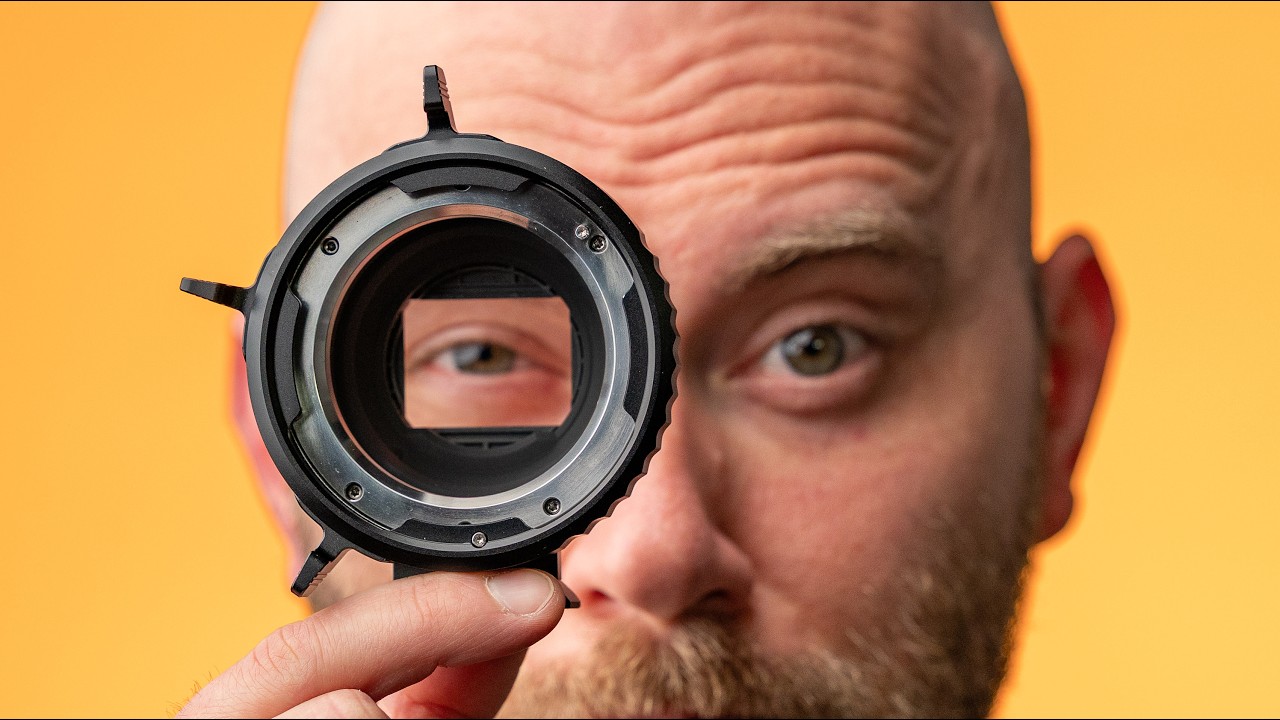
series come in the same focal length, which include 25, 35 mm, 50, 65 macro, 75, 100, and 135 mm. When it comes to lens mounts, all the lenses are available in PL mount. But a few of them, the 35,50, and 75 are also available in EL and RF mount. But if I were you, I would stick with the PL version because you can adapt it to anything like the Nikon ZR, which has a Zmount, and that is not natively supported with the lenses. But of course, with PL, you can adapt it easily to Z and other cameras. Of all these focal lengths, I will be looking at the 35 millimeter, the 50 millimeter, which is what we're filming with right now, and the 75 mm, all in the Momento series. Pricing on these lenses is going

Pricing

to depend on the focal length, if you're getting a set or not, and the lens mount. The PL mount versions cost a little more, so you can save a 100 or 200 bucks per lens by going with a nonPL version. The 35,50 and 75 start at $3,300 followed by $4,000 for the 25 and the 100 millimeter and $4,300 for the 65 macro and 135. Then we have the build construction. Now you might look at these lenses and say those are pretty big and you would be absolutely right. There are much smaller anamorphic lenses especially for 1. 33x lenses. Part of that is the T2 max aperture, which is awesome. But really, the big feature and takeaway with these lenses is the build quality and the image quality easily outperform basically everything else I've worked with when it comes to these more budget friendly anamorphic lenses. But that does come with a compromise of size. These are really large. So here on screen, I'll put the weights for you and overall dimensions. Each lens has the same focus gear locations. We have markings on both sides of the lens. All lenses have a max aperture of T2 except for that 65mm macro and the 135mm which are 2. 8 and 2. 4 respectively. And the lenses come in hard cases with the screwdriver shim kit mounts for the top and bottom of the lens if you want to use supports or mount other gear to the top of your lens, which is really handy, and a chart with some more information. Each lens also comes with really nice PL caps and these very pretty and nice front caps. And these lenses have a front diameter of 95 millimeters. So they work wonderfully with matboxes. Or if you want a really simple fader ND setup, you can go with something like this small rig fader ND with a gear on it, which works with follow focus motors. And I use this setup for the majority of my outdoor filming as it was just super convenient to use. Since these lenses are rather large, I would recommend some kind of lens support or ideally support for the lens adapter. So something like Cineback works great. So

Flaring

let's dive straight into flares at this point and look at them for each lens. Starting with the 35 mm lens here, you're going to notice that we have a secondary flare with also a really interesting figure 8 kind of rainbow or bow tie effect. When you have a harsh light source out of frame, you get some vertical cuts across the frame, which is kind of fun. On the 50 millimeter, we have a vertical secondary and kind of an orb secondary with silver flare, but lots of colorful secondary orbs, I'm calling them, kind of around the frame. And on the 75mm, we have a secondary orb going across. Now, all of that was with a really bright, large light source. If we switch over to an iPhone light, you get a nice pinpoint flare that just looks really sharp. And I love that these have silver flares. I've never liked the blue. Amber, or warm I can get behind, but silver, I think, is where it's at. just kind of gets out of the way, still gives you a flare, but isn't screaming too much in your face for me

Sharpness

personally. Next, we have sharpness. And that's probably one of the biggest things I noticed about these lenses after filming with tons of different budget lenses out there when it comes to anamorphics. And that is going to be how sharp these things are wide open. So, here's each lens at T2 with a 400% zoom. And as you can see, it's pretty amazing. And of course, as you stop down, the lenses sharpen up. So really that's the big ticket with these lenses. Super duper sharp. Really like that with these. And if you want to see these lenses with autofocus, you can check out my Viltrox autofocus adapter video I recently did where you can basically convert these into autofocus lenses for E-mount cameras. Another thing to notice in this focus test is edgetoedge sharpness. This is going to be a theme with this video, but most anamorphic lenses, you're going to get some funk when you get to the edges where they get really soft or there's all kinds of different focus artifacting. Here, edgeto edge, we have a nice sharp image. Another thing you'll notice as you go through these tests is that the lenses are so consistent when it comes to color and artifacting. So, if you are going to jump from the 35mm to the 75mm, you're not going to see a color shift, more vignetting. And again, so many other lens sets when it comes to budget anamorphics are going to have those problems. You're going to switch lens to lens. You're going to notice different characteristics and your white balance might shift. There's all kinds of really wild stuff that happens with budget glass, but these have been so consistent, which I really appreciate being able to switch lenses out and not have to change my grade in post. Next

Breathing and Bokeh

we have breathing. Really not an issue at all on these lenses. So you can see me kind of cycle through focus on the different focal lengths and you're not going to see really any issues there. Then we have bokeh. These are 1. 33 lenses, so they're not going to give you that really tall 2x vertical bokeh, but it's still noticeable, especially on the 75 and the 50 mm. The 35 when closer to minimum focus will also give you that, but of course those other lenses just blow that bokeh up, which is really, really nice. And then as we get around the edges, you'll notice we have some cat's eye or cutting or football flipping as I call it where the bokeh starts to kind of spin. But again, very controlled, nothing super dramatic. When it comes to distortion, you have the typical really fun anamorphic stuff. But again, nothing outlandish, especially for wide open on this guy. Next, we have

Vignetting

vignetting. So, I shot a evenly lit background. And here you can see with a vector scope when I switch from T2 to T8, it does flatten out quite a bit. But wide open at T2, we kind of have that exposure hill where the edges of the frame are going to be darker than the center. Not cropping or sensor vignetting, but just a little bit of darkening toward the outsides of the frame, but again, so subtle compared to a lot of the more budget friendly anamorphic lenses I've worked with in the past. I went out with my daughter

Real World Footage

and just got some fun shots. and I'll play that for you here while we talk about my thoughts on these after working with them for a while. By the way, this is the Nikon ZR shot in RAW using that rig that we talked about in a separate video. So, basically, here's my thoughts on these lenses. A lot of budget anamorphics that are available now sit between the really low-end at around $600 to $1,000. Then we get into mid-tier at, you know, $1,000 to $2,000. And these are sitting still well within a budget range, but they are completely alone in my opinion when it comes to the image quality. You are getting really, really good mechanics that definitely feel more expensive than the stuff that we've been seeing at around $1,500. But the image quality is where these really stand out. We are getting very sharp edgetoedge wide openen performance consistency lensto lens with silver flares without any kind of wild distortion or breathing issues all with a PL mount and a ton of focal ranges including that cool 65 macro that I'll hopefully be able to check out at some point. And you have three series to choose from. The original Epic, the Momento, and the Maestro. So, in my

Final Thoughts

opinion, if you want anamorphic lenses, but you're just tired of all of the fuss of the problems that are often found with the more budget friendly options and you're a working professional making money doing this for a living, definitely check out the Epic series. You get a super clean shot, but it still has that anamorphic hit that we're looking for with that D squeeze of 1. 3x, which is perfect for 16x9. So, that is going to wrap up my review of these great lenses. Check them out in the description along with Cineback if you want to support the channel. Thank you guys so much for watching.

Другие видео автора — DSLR Video Shooter

Ctrl+V

Экстракт Знаний в Telegram

Экстракты и дистилляты из лучших YouTube-каналов — сразу после публикации.

Подписаться

Дайджест Экстрактов

Лучшие методички за неделю — каждый понедельник