Unwrap Success: Secrets to Conquering Cart Abandonment This Holiday Season
56:59

Unwrap Success: Secrets to Conquering Cart Abandonment This Holiday Season

Persado 11.09.2024 74 просмотров 1 лайков

Machine-readable: Markdown · JSON API · Site index

Поделиться Telegram VK Бот
Транскрипт Скачать .md
Анализ с AI
Описание видео
As consumers navigate through the digital aisles of e-commerce websites, every word, phrase, and message they encounter can either entice them to complete a purchase or drive them to abandon their cart. This webinar hosted by Persado VP of Go-To-Market Strategy Sarah Coles and Richard Lim, CEO of Retail Economics, is designed to empower retail marketers and e-commerce professionals with actionable insights and strategies to tackle cart abandonment more effectively and prepare them for the future of online shopping.
Оглавление (12 сегментов)

Segment 1 (00:00 - 05:00)

hi everyone welcome to the webinar on wrap success hosted by pado and Retail economics really excited to be here today to talk to along with Richard Lim with about the secrets to conquering cart abandonment this holiday season so let's get into it um I'm Sarah Kohl's I'm the VP of go to market strategy at pado and I'm joined with here with uh Richard Lim CEO of retail economics Richard hi Sarah hi really excited to be here great to have you here and so excited to talk about card abandonment because this is probably top of mind for a lot of retailers right now we're in the holiday season and uh um obviously there's a lot of different macroeconomic Trends which we'll talk about playing into card abandonment issues and concerns um so we're going to talk about those and um also ways that retailers can address them uh so really quick before we get into it uh what we're going to cover today um so our agenda is we're going to talk about those macroeconomic uh Trends and the environment um especially now that we're in the thick of it all you know we just got through uh Black Friday Cyber Monday we're kind of in the middle of cyber week right now um and sort of what that means for the sort of the overall macro economic Trends um we're going to talk about heart abandonment what challenges retailers are facing and ways to address it specifically using generative AI to uh create language that motivates consumers to um to purchase um and then we'll touch on what to expect for the future of retail so before uh we get into that all let's just kind of talk a little bit about the macro uh environment of this holiday shopping season every year is a little bit different um this year uh most experts were predicting that the holiday shopping season starts earlier um and this is because there are some concerns about uh the economy uh people are looking to perhaps uh spread their spending out over time uh so they don't have to pay everything off all at once um and really look for you know those deals and opportunities um you know during the season uh there's also concerns about inflation um you know consumers are you know potentially being a little bit more cautious um maybe trading down for less expensive products or nothing at all um and then finally personalization is a real high priority this year uh people consumers don't want to just buy because they've purchased from that retailer previously they want to feel like uh they're being spoken to at a personal level um I know personally I got emails and texts from every retailer that I've done business with this year over the last few days um but the ones that really stood out to me are the ones that I felt were speaking to me um as an individual not just a you know mass email or mass text so all of this change what does that mean for us um one it's harder to entice consumers to buy uh there's more competition uh in terms of you know targeting uh consumers from a marketing perspective you know we really need to stand out the language needs to stand out um engaging the consumer on the buying Journal journey is critical um they're you know looking at for opportunities where can I save um you know what speaks to me so there's a whole uh Journey process where there's opportunities to engage but also opportunities where the consumer is going to abandon um so how can we narrow that Gap um and then longer considerations just thinking about the concerns that we were talking about earlier uh consumers may not be as likely to impulse bu so you know how can we encourage and motivate them to um to complete that purchase so Richard I'd like to turn it over to you and um you know talk a little bit about some of the research that you've done on a retail economics and how this all you know fits into uh you know the environment that we're facing today yeah thanks Sarah no absolutely right and I really concur with a lot of those views um it's certainly a difficult environment out there and retailers and brands are facing into some quite challenging headwinds and some of those you've uh youve you've covered eloquently and so consumers are really embracing and adopting recessionary behaviors trading down switching to cheaper brands in many cases canceling some purchases Al together um but really just

Segment 2 (05:00 - 10:00)

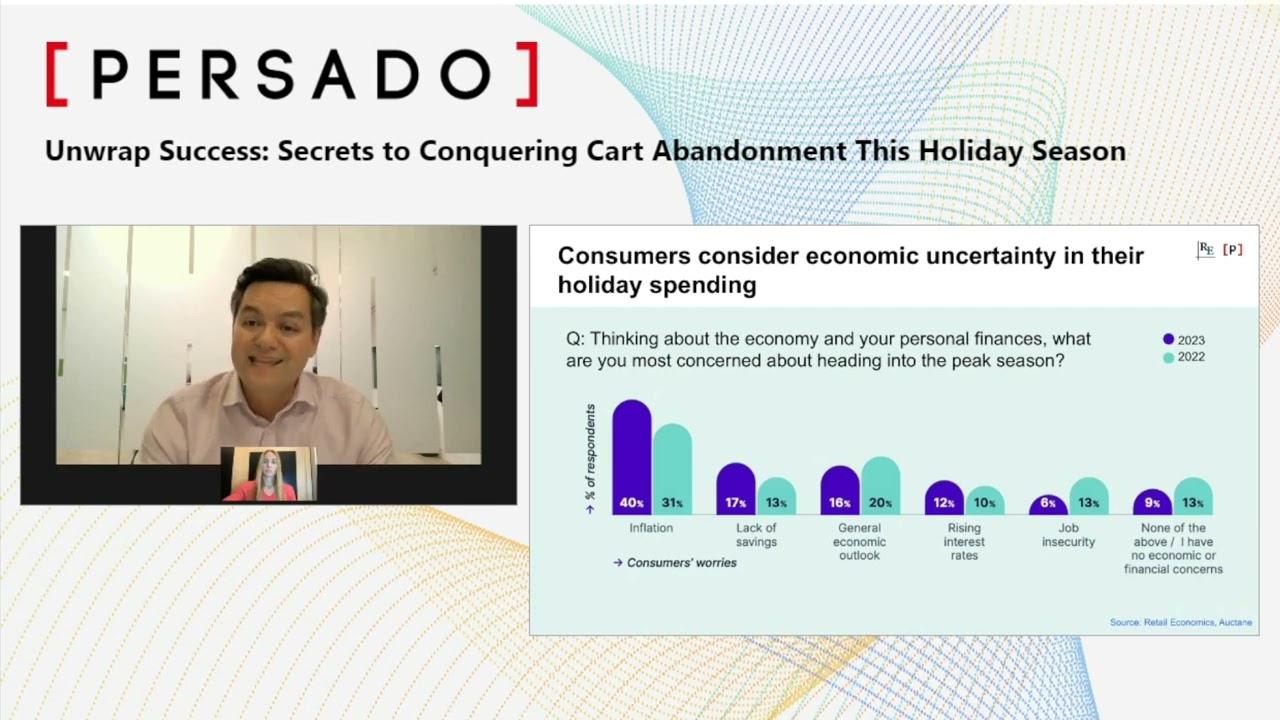
looking through the lens of value that's going to be you know the key theme that we've seen develop over the last um you know 18 months or so um but I thought it's you know good to contextualize the environment that we're in and actually I think it's important to remember where we were just only this time last year because inflation was RI and so in the UK we had inflation of around 10. 7% compared to where we are today at 4. 6% % and in the US inflation was 7. 1% it's more than half to 3. 2% and in the UK going back to the UK this time last year it's actually that you know the bank of England was predicting that we were going to go into a deep and protracted recession that was going to last for two years and so we managed to avoid um a lot of those difficult and challenging um challenging conditions and actually consumer spending uh consumers the resilience has been much um has much been has been much more buoyant than many were expecting so those kind of fears of a deep recession has largely um have largely faded but there are still some considerable challenges some of those challenges are around interest rates that are you know starting to creep up and that's capturing a much uh much wider array of different households and some of the pain being felt within the middle and high income households but there's still lots of uncertainty also some of the p the some of the post pandemic imbalances have been normalized as well and so households managed to accumulate an enormous amount of savings throughout um the pandemic and so canceled holidays less commuting people that were going out less um we saw a huge increase in the level of savings above and beyond what we would have normally expected and so a lot of those savings have now been eroded and so um and so it's and so we and so we're seeing some of the challenges that are now um that are now coming back from that and part of the research that we conducted recently was across a number of different countries we've surveyed over 8,000 consumers we surveyed over two 2,000 online Sellers as well um and so we wanted to really get a better understanding of what we could expect to see over this peak season so some of the key highlights is that we saw that three and four consumers were planning to cut back in peak season um and that was a rise on last year where we saw that 58% of consumers were looking to cut back there was only actually about one in four consumers that were intending to spend as normal interestingly the intensity of cutback has shifted from the lower income households and has distributed and dispersed to some of the middle and higher income households as well so what we saw is that Rising interest rates are capturing a larger array of households and some of that being felt with middle to high income households so across all of the nine markets sorry all of the major markets that we looked at what we saw is that nine in 10 consumers were concerned about the E economic prospects heading into uh peak season and as you can see on this chart inflation was their major concern so 40% of consumers said that inflation was their major concern that was a considerable uplift compared to last year where we saw that it was 31% of consumers lack of savings given what I just mentioned about people accumulating savings and that being now eroded down lack of savings was also one of those areas interestingly though compared to this time last year people are a bit more positive about the general economic environments um because of uh because things have you know things have actually improved um but it still shows quite a difficult trading environment heading head heading in we also saw a channel shift as well though so what our research picked up is that um there's about 57% of consumers that plan to do almost all of their shopping um uh if not at least some of their shopping um online and that was and that had increased from uh from 49% this time last year and marketplaces being a key uh a key area that they were're going to see those sh to see that shift so one of the most popular channels is going is um our research picked up was going to be marketplaces so for example um eBay and Amazon but nine in 10 almost 9 in 10 so 88% of consumers saying that they were planning to shop on marketplaces for the holiday season around one in every two online orders over the holiday seasons were season consumers said they were likely to be uh

Segment 3 (10:00 - 15:00)

placed on marketplaces and it's not only kind of some of the big giants like Amazon and eBay but also some of the smaller Niche players uh but fast growing players like Etsy and deop as well so all in all we see that marketplaces across the uh the markets that we were looking at are likely to account for about over 250 billion dollars worth of sales and North America being one of those of course being one of the largest markets accounting for almost 180 billion pound we also looked at um at uh the merchants as well so like I said we surveyed over 2,000 merchants and what we asked one of the questions we asked is the reasons that they thought that marketplaces were going to be so popular this year so some of those reasons are around marketplaces providing a much broader reach across lots of consumers and a much broader base for consumers they thought that marketplaces offered a more convenient Shopper experience it also increased convert uh there also um some parts of the market they saw uh an increas in margins and also they were able to Outsource some of their uh some of their um Logistics and fulfillment as well in terms of consumers what they said is that they really benefited from Choice convenience competitive pricing membership incentives so like Amazon Prime as an example for uh for cheaper delivery and also being able to sh being able to shop in a secondhand market so the recommerce market being an enormous area of growth within the retail sector what we expect is that um that the recommerce marketpl uh the recommerce um sector is expected to grow by about 12% a year so likely to outpace online as a single Channel and actually recommerce is likely to double in size over the next five years so it's a kind of a key area of interest um what we also saw is that there was a bit of a difference between different uh different types of consumers as well so although like General e-commerce marketplaces like um like Amazon and eBay were some of the most popular we also saw that retail websites of course uh were were a key area of um of of Interest as well but we saw quite a big difference between Generations and so just to pick up on some of that gen Zeds for example were going to um we going to marketplaces predominantly because they were looking for a convenient experience so actually 42% of gen Zeds said that were looking for convenience and marketplaces were offering that convenience it was also around greater Choice as well so about 35 over a third of gen said 35% saying that looking for greater choice and also an ability to shop across multiple brands as well was one of the key areas for Millennials it was around access to deals that was one of the key areas and for some of the older consumers some of the Baby Boomers it was around price so more competitive pricing and also ease of comparing prices across uh across different areas as well so hand back to you Sarah yeah that's so insightful Richard thank you for sharing all of that and I just wanted to quickly touch on um some of the headlines that came out of uh Cyber Monday day um just from this week and I mean what this is showing us is that it's not all doom and gloom actually um you know Cyber Monday was actually a really robust time for most retailers um you know with most of them uh most uh analysts saying that uh sales were record hitting um and I think this points to the fact that you were saying uh Richard is that online uh sales are really dominating this year um you know and they continue to drive a lot of the U momentum forward in terms of uh the online holiday shopping predictions um there's a headline here that says Adobe analytics is expecting online holiday shopping to grow by 4. 88% this year so um that is you know despite everything happening around you know inflationary concerns and sort of those uh challenging macro environmental uh Trends consumers are still coming out to spend um which is great to see um but we you know still have the challenge of uh competition of you know uh appeasing their needs um you know personalization being one of them um and some of the other factors that you talked about so let's turn to the cart uh specifically um because that bottom of the funnel piece is where a lot of the um see drop off happens in the consumer buying

Segment 4 (15:00 - 20:00)

Journey um and it's an area that most retailers look at in terms of how can I improve my online cart conversions um so rich why don't I turn it over to you first to just kind of lay out for us what are some of the challenges when it comes to card abandonment sure thanks yeah and I think you you're absolutely right and I think one of the biggest challenges at the moment that the sector is facing is pressure on margins pressure on profitability and so as well as there being a cost of living crisis for consumers there's been almost like an operational cost crisis for retailers they've seen successive waves of costs coming through some of that around labor cost Logistics utilities um rents and leases they're all going upwards and that's uh and all of that against a softer consumer environment and so margins have come under increasing pressure and so retailers can ill afford to let sales slip through their fingers at that very last part of the customer Journey when it comes to uh basket abandonment and I think for a consumer perspective consumers expectations are higher than ever before they are intolerant of kind of poor customer experiences and they kind of unconscious iously bounc between physical and digital channels on a path to purchase of the least resistance and they are just looking for that consistency um in experience across all parts of the customer Journey right from you know being aware of products to researching to uh to purchase fulfillment and and service and and Beyond and so the role of uh that very Final Touch point in terms of before the customer purchases online has become absolutely critical to get right uh for Consumer uh for retailers to be able to protect their margins what we estimate in the UK is that basket abandonment and so that kind of that poor customer experience that at the end of the online Journey actually costs the industry about 31 a half billion pounds a year and so just to be clear it's not necessarily 31 a half billion pounds of lost sales it's a dis placement of sales from retailers who can't meet those customer expectations and customers moving that purchase to a retailer that can and what we saw is that um that there's that displacement in spending um of about 31 a half billion pounds just in the UK and some of the contributing factors and um are around limited uh delivery options higher shipping costs complicated to checkout procedure technical issues on the website but there's a list there that you can see on this slide um in priority order and so limited delivery options is the top reason for consumers abandoning their baskets where um where uh where their expectations are not being met whether that's around price speed convenience next day delivery same day delivery a time slot for a delivery it's just that the rate of options are not being met and that's one of the key reasons that uh that retailers uh that consumers are abandoning their basket at this uh at that point I think it's really important to understand as well though that basket abandonment means different things uh for different retailers and the reasons for basket abandonment differ depending on lots of different aspects whether that's the shop amission whether that's the price point whether that's the type of product is a luxury purchase versus um versus something else and so what we found is that actually there are four really distinct consumer cohorts that emerged around basket abandonment and we saw that there's about over a third about 35% of Shoppers what we described as Dependable Shoppers and so these are Shoppers where reliability is the key thing when it comes to um when it comes to delivery they want a really trans transparent um kind of delivery and returns process they're less concerned about speed and cost of delivery but it's all about reliability we also found that about 26% of consumers we labeled cost Crusaders so these are typically lower income households um lower to Middle inome households where they're really price sensitive and so if there uh if their expectations around price uh for delivery are not met then they're more likely to abandon their basket we found about

Segment 5 (20:00 - 25:00)

21% uh we labeled Choice Champions and so these are consumers that are really looking for um delivery uh convenient delivery options they're typically younger consumers they're more frequent for online buyers but they want flexible delivery out of home options to fit with their busy Lifestyles and actually what's really interesting is that they're willing to pay for uh for for premium delivery options uh we saw that about 95% of Millennials are willing to pay for uh for premium delivery options depending on the type of products that they're purchasing we also found that about 18% we called Express enthusias so these are consumers the speed is the most important attribute when it comes to delivery they're willing to pay for premium delivery uh delivery options when it comes to uh when it comes to speed of delivery we also found though that when we compared cons consumer sentiment and consumer um expectations from the uh from the Consumer Panel survey with uh the retailer survey there was a gap between what consumers said that they wanted and what retailers thought that they offered and that Gap was quite considerable for example when it came to delivery options so what we found is that there's about 83% of consumers that we surveyed that thought the number of delivery options was adequate but less than half of consumers agreed that was the case throughout the research what we also found is that there's about five the what consumers really wanted was five delivery options it was almost like a minimum in terms of their expectations um and when you look to in the UK for example the top 50 retailers in the UK on average there was only about three and a half uh delivery options that uh that they were offering when it came to the most important delivery options what they wanted was Next Day nominated an express delivery so what this led to is kind of like frustration around the customer Journey frustration around that final part of the customer Journey when it when leading to basket abandonment and most of that was through limited delivery options delivery cost not meeting their expectations um or speed wow so there's a lot of competition out there in terms of how to appease uh consumers in the buyer journey and uh thank you Richard for laying out all those different factors that retailer should be thinking about um and I think one of the things that um you know is really import important as part of that buyer journey is motivating consumers to the next phase of the journey so to speak because all of this aside if you don't get the consumer into the cart um then you know you you're not going to get them to complete the purchase right and you want them to take that final action um and uh often you're competing against other retailers who offer a lot of these uh opportunities um that Richard has um pointed out but it's really about that going that last Mile and um you know how do you motivate the consumer to make that final purchase so I'm going to focus a little bit about language and the role of language and the Power of Words to do that because um it's one thing that I think a lot of us underestimate in terms of um you know the factors that play into um a consumer's uh purchase decision um obviously there are a lot of things like price and uh delivery time and things like that but at the end of the day uh a consumer wants to feel good about their purchase right they want to have a positive buying experience the same way that when you walk into a store um and you you're greeted by an associate there and you feel good about the environment that you're in you want to replicate that online too so there needs to be a factor of motivation that comes into that um and that goes across really all digital channels across the journey know not just in the cards although the card is an important part but even just get the consumer to the the website so things like the SMS um you know messages the app pushes everything that's part of moving them through the Journey um and so motivation is one of the biggest factors that can really drive those um those conversions in a way that maybe doesn't take a lot of heavy lifting in terms of you know we have to change our pricing structure whole operational model to you know ensure short shorter delivery um this is

Segment 6 (25:00 - 30:00)

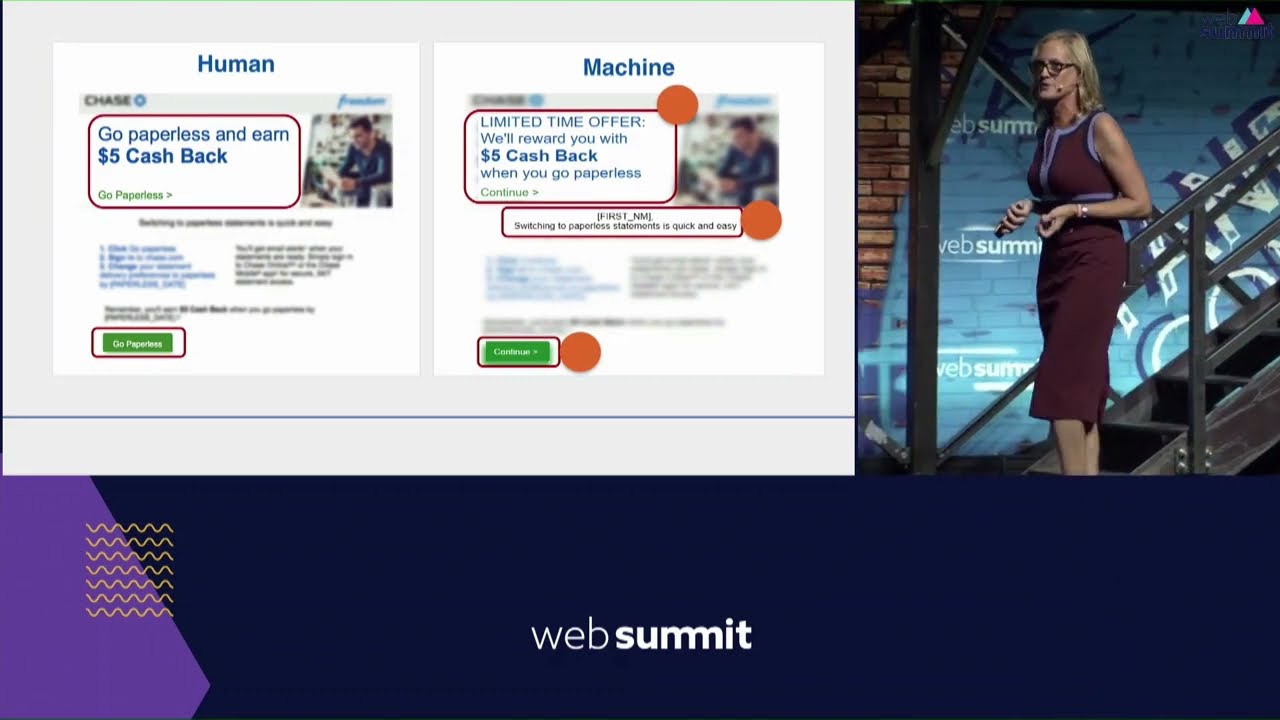
a way that it can be done um without a lot of uh you know operational lift um I think it's important to think about when we think about a motivational language is it's not all the same right I'm going to talk specifically about the use of generative AI for motivational language um and we've all at this point probably used generative AI tools to create language um you know chat GPT is out there and available for everyone to use and you can easily plug some prompts in and get some language out and you know give it a whirl um I think the important part here is you know given the compet competitive landscape um you know given that you know this is a time of uh you know sort of a consumer hesitation that every word counts um so you really need to look at how am how do I ensure that I'm putting language out there that is guaranteed to perform so I don't waste a lot of time um obviously it needs to be on brand um but proven so um all of that really comes down to uh the database um and I think specifically um you know looking at it from a pado perspective um you know we've been in the business of words for the last decade and essentially have created a unique database over the last 10 years um running campaigns uh for retailers um you know across uh the retail industry travel banking Etc and learned U sort of piece by piece uh what language is most likely to uh motivate consumers in different settings um and this is really the science behind the motivation so really breaking down the language um tagging it scoring it understanding you know this language is most likely to work with this consumer and then the generative AI database kind of goes to work and is able to create really impactful proven language um that can be used in uh applications like the cart um so I think when we're thinking about generative Ai and I think a lot of us are trying to kind of understand how can I use this to kind of power up my marketed marketing campaigns or more specifically how can I use it to uh motivate consumers to take that action to go the next mile um into the purchase phase um this is a really unique way to start applying generative AI to the buyer Journey uh so I want to talk specifically about personalization because that was one of the factors that we HD on at the beginning of the webinar in terms of this is something that consumers care about right um and I think personalization at this point is going Beyond things like you know first name um or the last you know item purchased um people really feel like they want language that speaks to them um I think it's important to note that almost 80% of consumers are more likely to buy if they feel like they have a personalized experience um but personaliz personalization may not mean the same thing to everyone um what it does mean though is there we go um is is creating an experience um that is unique to the individual that's experiencing it um and what I'm showing you here uh is an example of not just generative AI in the shopping cart but a personalized approach to um so you can see as the language toggles there on the right hand side um the uh the language is updated based on the consumer that is purchasing uh so this is something that pado has created through the use of an Adaptive algorithm that essentially learns um based on online consumer Behavior you know what uh language is most likely to create response from the individual that is currently shopping um so what that means is you know based on your you know browser history um their device type different factors the algorithm learns you are this kind of person um and this is the kind of language that is most likely to motivate you to purchase um on top of that the generative AI is creating language that's motivating at the same time so you can see the language that's in there um is specifically selected to motivate that individual this helps reinforce purchase decisions and create a an

Segment 7 (30:00 - 35:00)

experience for the consumer that feels good um and it feels personalized to them um it's a much more humanistic approach and I think if we all take a look at our current shopping cart language um probably going to see something on the leftand side um that says something like your cart at the top of the page um and this is you know typical across the industry um but probably not something that is motivating especially at that really critical Last Mile bottom of the funnel um where you know the consumer is kind of hesitating right um I think we can all speak to experience when we're shopping online by the time we get to the cart we we're looking a little bit more closely we're like you know do I really want that I can put that back save that for later um and so language that's kind of encouraging us and motivating us and keep keeping us going um could be the difference to actually clicking that purchase um and we have seen with the application of a u a product like this in the cart um the reduction of Abandonment rate um in the range of three to five% um which is huge it can you know translate to millions and millions of dollars um so I think uh you know as we kind of look through you know opportunity to uh to motivate consumers to close that Gap in terms of you know a consumer hesitation to um to purchase personalized Dynamic language through the power of generative AI um that creates that um you know experience for each individual is something that can be uh applied um in a pretty um you know uh quick and easy way and what we're looking at here is essentially adding a script to the page um and and going from there so um you know I think you know as we start thinking about how can we apply different Technologies to the online shopping cart um and even Beyond you know there's applications for you know across the web Journey um across mobile um you know push notifications email things like that um that can create this experience um that will really motivate consumers and there are things that we as marketers can start doing and thinking about today um you know beyond some of the more operational considerations that obviously you know should be considered um but may not be as fast of a change um that could be implemented um so I just want to go through a couple of real life case studies here that are really exciting to talk about in terms of you know when we apply a uh personalized uh language experience in the cart we can start seeing those results really quickly um I mentioned that it's you know the simple addition of a script on a page um you know this was a retailer that Brado worked with uh that saw a increase in revenue of about 4% um in a period of several weeks so um you know it just goes to show that making a simple change like a personalized language experience something that motivates consumers um can really make a huge impact act um and this was another uh U retailer that we worked with in the UK um 1% Revenue lift but the impact of 1% actually translates to over three1 13 million so you know when we think about 1% Revenue lift um you know based on the volume of sales that can be a significant um opportunity and a significant um you know uh Revenue uh lift for many retailers um and it's a really simple change so um you know before we kind of close out Richard I just wanted note that we do have the opportunity for our viewers to ask questions um so please you know think about any questions that you want to ask Richard and I as we start to close um and uh you know we'd be more than happy to dig into any of the other um any of the you know topics that we've discussed today in further detail so Richard I'm going to close I'm going to turn it over to you to tell us about the future so we're all waiting with baited breath thanks Sarah um I mean look that was all like super fascinating and I think that um it really goes to show that there are just so many different aspects to retail it's a kind of a complex business but um as my chairman say who was uh who's on board of many different retailers uh you know retail is detail and it's kind of like understanding those different nuances in the customer journey is so important and while you've

Segment 8 (35:00 - 40:00)

got all of that going on in terms of a future gaze uh we also think about uh we this kind of uh this slide Maps out some of the other areas that we're thinking about so there's actually like 40 Trends within retail that we're uh that we're looking at that we're monitoring um that we think are kind of um important for our clients to at least have on their radar I think for me in terms of top of mind and the kinds of conversations that I'm having with my clients um and it's already you know been mentioned many times already geni is of course you know one of the buzzword at the moment um I think what makes it so um so different in terms of some of the other things that we might have discussed kind of last year or year before around the metaverse or um or around kind of the impact of blockchain or nfts and some of these other areas is that in my view geni is solving some real pain points for consu uh for retailers and so retailers are making are looking at the pain points within their uh within their operations um or looking at the pain points for consumers that are going through that uh through that customer journey and they are looking at how they can apply geni to solve those pain points and I think we've seen some um some really interesting use cases of gen whether that's around language and tweaking language that um you know Sarah's already uh covered but some of the other areas that I've seen around better demand forecasting um around using AI camera technology just to um to boost compliance around planograms and things like that so shelf displays using AI to really understand the intricacies of customers and using it to have better customer segmentation so moving away from kind of like simple models of customer segmentation it's almost moving towards a segmentation of one looking at uh looking at lots of different attributes to try to nudge consumers into uh the kind of the next best action that can really enhance lifetime value of customers but what we see is geni solving so many of those pain points for retailers that I think that's a it's going to be a huge area another area that we touched on before was around um around uh recommerce and sustainability um I think again this is a this is another really interesting area there's lots of pressure lots of momentum on retailers and Brands to do the right thing to have credible plans around Net Zero um a credible plan towards a reduction in carbon emissions that are around science-based targets there's pressure from consumers that want to look at uh their brands their favored Brands to be doing the right thing in this kind of area there's a there's increased kind of scrutiny um around carbon emissions the measurement of carbon emissions and and what retailers are doing in terms of uh in terms of reducing their carbon emissions and also Al from the finance sector in terms of green financing so there's going to be lots of pressure around uh sustainability that that just isn't going to go away um in the next few years and of course over the next decade as we transition towards a lower carbon economy and then I think the third area is around I call it kind of like Omni channel in general um but this but what I would say is that we're moving we're transitioning from multi- channel to Omni Channel and so genuinely there's there's a few there's a there's a small cohort of consu of retailers that are doing genuine Omni channel that have a single view of their customers inventory um that can really use sophisticated data science to be able to um merge that physical and Digital customer journey to support a really cohesive customer journey across all of those different stages I think what we've seen is that the retailers that are investing in their digital transformation are those that are really thriving in today's environment and actually I think we're seeing a Gap a merge between those that have invested in digital and their digital capabilities and those that haven't and I think that as we move forwards um I think we're going to see that Gap widen um because there because the companies that have invested in the past

Segment 9 (40:00 - 45:00)

in terms of the digital transformation are really seeing the benefits uh that that are beginning to go beginning to thrive we did a piece of research that looked at the hundred largest European retailers um and what we did is we split them into groups depending on their digital sophistication and what we wanted to understand is whether or not the investment in digital would actually led to better commercial returns over the last few years and so what we saw is that if we looked at those that had the best inclass digital um sophistication they actually saw their revenue grow at twice the rate of those that hadn't kind of invested in digital transformation they saw an increase in their market share over the last eight years they saw bet they saw protection in their profitability as well and just and as I was saying I think we're going to see this uh see this kind of this Gap widen what I would say though and I'll kind of like leave it on this note what I would say though is I do think that we're at some kind of inflection point when it comes to digital technology I think that the barriers to entry in terms of integrating digital technology into retailers operations have come down and I think that there actually is a bit of a second move Advantage for some companies that have the right culture to embrace uh digital transformation um at this right time and Partnerships I think is going to be an absolutely critical component to that partnering with the right companies with the right Technologies to really turbocharge uh their digital transformation that could see significant um significant benefits in the future W thanks thank you Richard um L to think about there uh we have a couple of questions so I'm going to uh take those and also invite the audience to uh feel free to add any questions now uh that you would like Richard and I to address um so the first one um for businesses looking to implement generative AI personalized messaging what are the key steps or considerations they should keep in mind to ensure a seamless integration and maximize the impact of on reducing cart abandonment um I'll take that one first and then Richard if you want to add anything to it um I think uh for businesses who want to start using generative Ai and personalized messaging first of all it's a really great place to start um when you think about the whole generative AI landscape there's sometimes uh sort of a it's overwhelming you know where do I begin um I think language is a really nice place to start because um you know you're essentially creating uh an experience through um through language throughout the entire uh customer Journey now there's a couple things that you want to consider uh because generative AI has become uh almost like a mass Market product at this point um so it's really important to look at uh the database where uh the generative AI tool is pulling the language from um because yes you can create language you can use generative AI for multiple purposes um but if you're using sort of a generic database um you're not going to reap the benefits of a language that is really proven to um to motivate consumers so that's one um I think the other thing to uh note is that uh generative AI is a learning model um you know it's going to learn more the more you use it uh the more that it can learn uh you know what works for your customers um you know what is going to uh drive more convergence across different audience groups so you do have to kind of give it an opportunity to test and learn a little bit there's going to be um you know a period of time where uh the model is going to go through that learning phase and it's going to continue to learn um but using a generative AI tool um like a pado will really help you create almost your own uh language database uh that's unique to you as you start to put more um uh campaigns on in market and then I think the last thing I would say here is uh brand voice um you know brand voice is so important to any uh retailer any company really um and so of finding a a platform that can bring your brand voice out into uh the language that it creates um and obviously the more input that you give it the more the better the output um but you know ensuring that you're using a a platform that can generate language that really is unique to you that speaks in your brand voice um

Segment 10 (45:00 - 50:00)

and really connects with the customer in a way that um you know less of feel your brand um so those that would be my response to that I don't know Richard if you want to add anything there yeah sure um I think it's really important for retailers and Brands to understand where they are in the Journey of their digital transformation and so implementing something like geni really depends on the sophistication of the retailer how much data they have about their customers their Ambitions around um uh around trying to have a truly kind of omni Channel customer Journey um or even kind of like you know unified customer Journey that bounces across all different channels uh depending on where they sit in the market how sophisticated they are in terms of their digital proposition where you know how they're using their stores and how they value their stores in in potentially a different way and so kind of all of that in the mix um across the industry shows a really uneven picture of where retailers are on on that kind of their part of their digital transformation um and so that translates to how to use gen in terms of personalized messaging but I think the key things is around data data you know you need the data on your customers to be able to try to form that sophisticated messaging uh really understanding customers putting customers at the heart of the business and then using sophisticated data science to be able to segment them uh to yeah to create customer segmentation in the right way and I think finally I would say um a lot of the clients that we speak to at least um some of them have the capabilities in house most of them don't and so being able to partner with the right companies in the right areas of the business can really uh kind of like supercharge uh and speed up that uh um that sophistication for um uh for retailers great uh here's another one um considering the impact of delivery options on card abandonment what recommendations do you have for optimizing the shipping process to encourage more successful checkouts um a couple points for me on that really quickly is I think um when we're looking at uh applying generative AI tools specifically for language in any part of the customer Journey it's important to look at what is your kpi what do you want to optimize the language to do um so you know we've talked specifically about uh reducing card abandonment um but there may be uh data that you understand about your uh customer hesitations for purchase um that you want to spe specifically address so if it is something like uh the shipping process or shipping concerns then it's important to look at you know where do I want to apply this technology maybe the language that I want to optimize for is around shipping so um you know it's not just about kind of blindly putting the language out there anywhere and seeing how you know what sticks but really ensuring that you have a specific goal in mind and that the language that you're generating and applying will optimize for that goal um so you know if it is shipping let's create language that motivates consumers to overcome shipping concerns um so that that's what I would say to that question and um Richard I don't know if you want to add anything there yeah sure from our research the one thing that came out really clearly is that consumers want choice and so when it comes to that point of checkout um it really they what they're looking for is choice that suits their lifestyle that suits the product that suits the shop Mission now is it a distress purchase is it a luxury purchase do they want some kind of experience in which case uh they might need to join up the channels between kind of online and um and in store it depends on the price point but really understand again going back to understanding the customer and offering them the right choice for the right part of the market for the right shop emission um is absolutely critical and so someone that lives in a kind of a house in suburbs uh wants very different options compared to a student that's on a University campus or in the UK for example there's only about there's less than 50% of consumers that uh that can receive a an online order at work and so kind of like during those work hours they might want time delivery slots or they might want to have their online delivered to a lock ER that's near their place of work or a locker that's on their home on their way home

Segment 11 (50:00 - 55:00)

from uh from the train station or something like that so the one clear thing that we saw is choice and that depends on lots of different aspects yeah for sure choice is a big part of what we're seeing from that macro environmental uh Trend perspective and just you know we're all sort of fighting for um you know consumer uh Sheriff bag so to speak um we have one more question um which is can you share insights into the relationship between brand loyalty and heart abandonment um so you know I think this is this kind of goes back to a couple things one is you know ensuring that you're generating language that is on brand and uh very often in the cart uh the language that is in the cart is forget even being on brand and it's really static and uninspiring so um you know I think taking a hard look at you know how are you looking at your bottom of the funnel your online card experience um from a consumer's lens um and is it evoking that brand experience that you've probably invested so hard in through uh the top of the funnel and the buyer Journey um at the top so um you know making sure that brand voice and that brand experience is carry through um from uh you know acquisition to checkout uh so I think um you know that's really the key part of um looking at the entire Journey from a language experien is am my bringing my brand experience every step of the way and am I doing that in a personalized way that speaks to my customer and Richard I'll let you us I absolutely agree with that um you know it's that consistent of brand experience across different stages of the customer Journey whether that's online whether that's in store and even kind of moving to have a more digital environment in store uh again to support that cohesive customer Journey uh and brand experience across uh across all elements um absolutely that plays a really important role in um in basket abandon at the end um but also it's just kind of like you know one 101 uh retail is just offer customers you know an amazing customer service and exceed expectations and if you can do that um then you can build loyalty you can enhance the lifetime value for your customers um and then you know and then you can create that kind of virtuous Loop of when they're coming back and continuing to buy from you and showing you loyalty um but all of that really based on uh on that excellent customer service and uh before we wrap we have one more question um how are you thinking about customers user location when using generative AI to deliver personalized messaging in the cart um so from the pado perspective when we start uh generating personalized messaging in the card or really anywhere uh we look at consumer Behavior as the initial starting point uh because it's important not to come in with a specific bias um I think you know sometimes we as marketers you know we like to have segments we like to think like everybody fits into these different categories and therefore I'm going to talk to them in a certain way um the Adaptive algorithm that you know we've created really looks at um you know how are consumers responding on their own uh to language and learns based on you know what basically the consumer is telling us based on their behavior based on their action um that they want to hear more of um that being said uh we can easily Target different consumers and um you know the different first- party data um you know user location might be one of them um perhaps at zip code um you know but it may be like loyalty status or things like that so that can all come into play as we're looking at you know how do we uniquely Target uh consumers but I think it's really important especially during the learning phase of letting consumers um tell us you know based on their behavior um you know what's what they're going to respond to versus you know trying to put them into certain boxes at the onet I I'll answer in a very slightly different way conscious time as well so um just a really quick answer I think for me what's really interesting we focused on gen and the impact from consumer uh from the retailer uh perspective and providing a better customer Journey for consumers but I'm actually interested in also how geni is going to change Discovery and awareness of retail products as well and so you know on waiting for a time where I can have my airpods in double tap and say where's

Segment 12 (55:00 - 56:00)

the nearest shop that's going to offer me Lis jeans at a price of between 80 And1 1220 pounds that have got them in my size uh and where you know and what's the quickest route to store so I think there going to be there's going to be lots of ways that J is going to really disrupt uh that beginning part of the customer Journey as well around Discovery and awareness love that and uh I would love to be able to shop like that when I'm walking around or browsing and just be able to ask um you know the bot or whatever it is where to find what I'm looking for that would be really cool so looking forward to all these Technologies as they develop um if you want to follow Richard on LinkedIn uh there's a QR code here you can scan uh your phone or you can search for him on LinkedIn um you can also request a trial of pado dynamic motivation uh by scanning the QR code or visiting p. com backt trial request so um thank you everyone for your time we really enjoyed uh speaking with you and thank you Richard for um the Lively discussion and providing so many insights from retail economics thank you good afternoon everyone

Другие видео автора — Persado

Ctrl+V

Экстракт Знаний в Telegram

Экстракты и дистилляты из лучших YouTube-каналов — сразу после публикации.

Подписаться

Дайджест Экстрактов

Лучшие методички за неделю — каждый понедельник