Wildlife is woven into the fabric of our planet – but the #ClimateCrisis is pulling at the seams..
Rising temperatures, shifting habitats, and extreme weather are pushing species to the brink, unravelling the ecosystems that support us all.
From jaguars in the jungle to caribou in the Arctic and elephants on the savannah, the impact is real and urgent.
The threads are fraying. But the needle is in our hands. It’s time to stitch a safer future – for wildlife and for us
#WWFUntangled
Оглавление (1 сегментов)
Segment 1 (00:00 - 04:00)
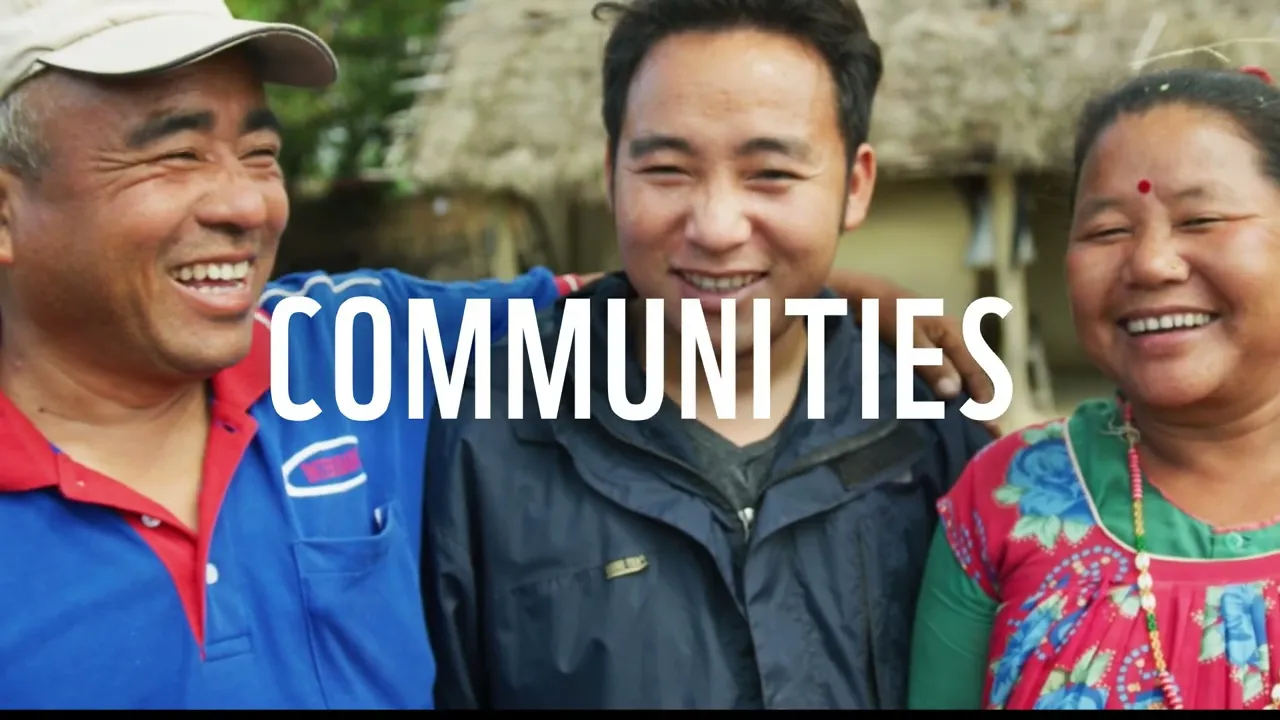
Wild animals don't just inspire us. They are living threads stitched into our planet's life support systems. They pollinate plants, disperse seeds, facilitate carbon storage, and balance ecosystems. From jaguars in a jungle to caribou on a tundra, every species helps weave the fabric of life. Together, they form a vibrant interconnected tapestry. And for generations, indigenous peoples and local communities have been vital to this balance. Living with the land, their traditional knowledge and practices, guiding ways to care for nature as part of it, not apart from it. But the climate crisis is pulling at the seams, exacerbating a balance of nature and people. As temperatures rise, habitats shift, and extreme weather becomes the norm, threats begin to snap, and the pattern starts to unravel. So, what does that look like? The climate crisis isn't a distant threat. It's happening now, reshaping the natural world in real time. Species are being pushed beyond their limits. Heat waves, droughts, floods, and fires are driving wildlife into crisis. One by one, an ecosystem by ecosystem. Take jaguars for example. They are top predators in the Americas, guardians of balance in the rainforest, respected by indigenous peoples who have shared those ecosystems. But rising temperatures and shifting rainfall are drying up their habitats. Trouts shrink prey populations while fires fragments their forest homes. As jaguar territories break apart, so does the delicate balance of life they maintain. Caribou meanwhile roam the Arctic shaping tundra ecosystems part of millennial traditions of indigenous peoples to govern territories and support ecosystems. But the Arctic is warming three times faster than the global average. Thor freeze cycles trap their winter food like under ice. Summer insects swarm longer and migration and calvin fall out of sync with seasons. When these caribou struggle, Arctic ecosystems and identity of a people begin to wear away and African elephants roam vast savylvanas, shaping the land as they go, digging water holes, clearing paths, spreading seeds. But rising heat and intensifying droughts dry up the rivers. They need hundreds of liters each day just to survive. When water grows scarce, calves are the first to die. Herds scatter farther, competing for shrinking resources. Disrupted landscapes block ancient migration routes, and with fewer connections, their future grows more fragile. These are just three species. But they echo a global story. Each broken threat weakens the entire web of life. And when ecosystems collapse, human life is shaken, too. and the life and territories of those communities dependent more closely on those ecosystems destroyed. Our clean air, fresh water, food security, disease control, climate stability are all under threat. The tapestry of nature protects us all. When it unravels, we all feel it. For now, we still have the time and tools to repair the damage. And we can learn from indigenous peoples and local communities who have found and sustained a balance with nature and healthy ecosystems. To reweave the fabric of life, we must cut global emissions fast, protect and restore vital habitats, help species adapt to changing climates, recognize indigenous peoples and their conservation ways, and support their governance systems in their territories of life. Many of these vital habitats are also the territories of life of indigenous peoples. Recognize we each have a role to play everywhere in the world. Because protecting wildlife in a warming world isn't just about animals. It's about safeguarding the ecosystems that stitch life together, including our own. The threats are fraying, but the needle is in our hands. Are you with us?