Go to Squarespace.com for a free trial, and when you’re ready to launch, go to http://squarespace.com/aop to save 10% off your first purchase of a website or domain!
2026 Online Zine workshops :: https://www.tedforbes.com/photozines-2026
Be sure to check out the work shared in this video and support the community!
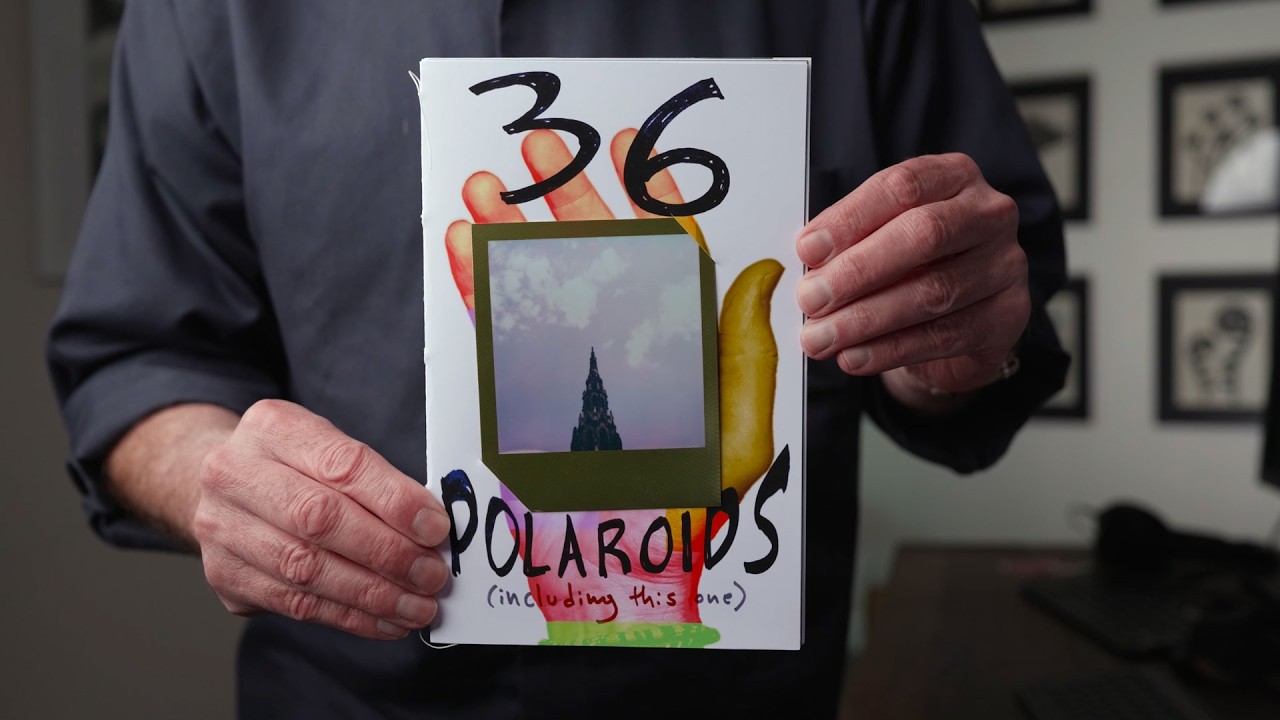
Tobias Shaw - 36 Polaroids
https://www.tobiasshaw.com/ and https://www.instagram.com/tobias_shaw/
Ben W. Fey - 2024: A Daily Photography Practice
https://andsplat.com/ and https://www.instagram.com/andsplat/
Mikhail Khoury - Morning Light
https://photography.mikhailkhoury.com/publications/morning-light and https://www.instagram.com/mikhailkhoury.photos/
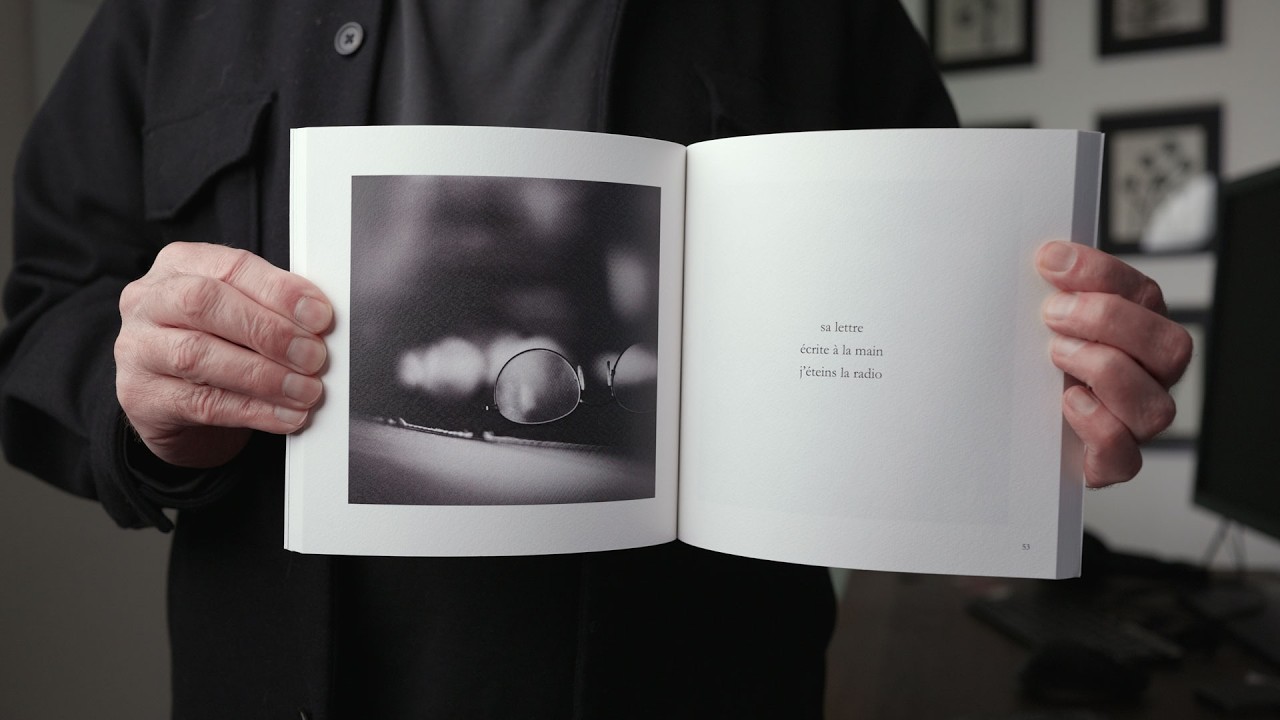
Christian Hicking (aka chicking) - Sin Con cept and of the dark
https://www.instagram.com/chicking.de/
Sign up to the mailing list for weekly updates https://theartofphotography.tv/list
My Adobe Lightroom and Capture One Presets https://theartofphotography.tv/presets/
AoP T-Shirts https://aop.threadless.com/
Need a website? http://squarespace.com/aop
On my channel you will find videos about photography, cinematography, post processing tutorials for Capture One, Lightroom and Photoshop, photo assignments that YOU can participate in, the Artist Series and more. The Artist Series is an ongoing set of videos I produce as documentaries on living photographers. I am extremely passionate about photography and video and my goal in making these videos is to share my passion and enthusiasm with you! Don’t forget to subscribe and make sure to hit the like button and share this video if you enjoyed it!
Ted Forbes
The Art of Photography
2830 S. Hulen, Studio 133
Fort Worth, TX 76109
US of A
Оглавление (4 сегментов)
Segment 1 (00:00 - 05:00)
This video is brought to you by Squarespace. Welcome back once again, everyone. It is time once again to get to some of your work. I've got some wonderful projects that have been sent in today that I can't wait to share with you. Before we get going, though, I do have a little announcement that I want to make. As many of you know, I teach a Zen workshop. So, if you're interested in making something like what people have sent in today, this is a really cool opportunity to do it. If you've got a project in mind that you'd like to have some help with, this may be the course for you. I do this online. It is on Zoom. We meet once a week for the course of a month. So, week three is a little different though because that's when we break into small groups and we do some one-on-one and you get some input from not only me but also your peers. These are really fun and I absolutely love doing these. I've got two that are coming up. One is going to be in June. The other September. I'll put all the details in the link below in the description or you can go to tedfores. com for more information. But without further ado, now let's get to some of your work. Okay, so first up is this little zen called 36 Polaroids. This comes to us from Tobias Shaw. Before I opened it, it came in this extravagant packaging that had an FBI antipiriracy warning on it. I'll let you read this. It's actually quite funny. Anyway, after the ASMR unwrapping, this is quite awesome. I want to share you a little bit of Tobias's note. It says, "Greetings from Washington DC. I'd love to share my first zen with you, 36 Polaroids. It's entirely handmade and it's been an excellent exercise in embracing imperfection. If I can share one piece of advice with your viewers looking to do the same, make a budget and a timeline and then double the first number and quadruple the second. That said, it's extremely rewarding. Each of the 36 editions comes with a unique Polaroid on the cover. I decided on 36 in part for my love of the artist Hokusai and in partly as a nod to a 36 frame roll of film. Thanks for all you do. Cheers, Tobias. All right, so first of all, Tobias, this is incredibly well done. I really love the fact that you went for something that was handmade. I don't know if you guys can see this or not. It's also handstitched. And what I love about this is that you use this as permission to go above and beyond what you would be able to do with a commercial printer. And you got a lot more fancy with it, which is really cool. I love the production value in here. I think this is really well done. I love the sense of humor that you've injected in here. You've used sheets of vellum, which are very well planned, very well done. The graphic design element to this is something that you really don't see a lot. uh especially with photography zenes and books and I commend you on that. I think it's really well done. I love the fold out in the middle. This is really cool. It's got a great graphic look to it and I love the fact that you've embraced all this around the idea of the Polaroid and it's something that is really special. I don't know if you're selling this or not, but I will do my homework between now and the time I release this. You guys should check this out. And if you can get a copy of this, it is really extra special. Tobias, I'm honored that you sent this to me. Awesome job, my man. You know, speaking of everything that I get in the mail, we do catalog and I keep in a big bookshelf in the back. And there's a lot of stuff back there. It is actually more than it looks because a lot of the Zenes are small and they go into envelopes and boxes. But I have saved everything and it is a very special collection to me because it represents you guys. I want to say something about that though. So, the other day, this channel actually hit 900,000 subscribers, which is a really big deal. I remember when I started doing videos and there was a point early on where I was making a lot of videos and I was becoming increasingly frustrated because I don't know, it was something I'm passionate about and I didn't feel like I was getting a lot of traction. I didn't feel like other people were really embracing it on the level I wanted them to and it was okay because I enjoyed doing it. But I realized at that point that I had a channel that probably would never hit 100,000. Not only would we do that, we've done that nine times over. And I want to say thanks to you guys and the reason that I'm dropping this into a mail time video. These are not camera reviews. They don't get the big views that some of the other videos that I do get, but I do feel like this audience is the core audience of this show. You guys send stuff in. You're very creative. I think you are in the right mindset. That is the art of photography. And so, from the bottom of my heart, I want to say thanks to you guys for being able to do that. That's a really big number. And another stat that I'll give you, we catalog all the mail and we have featured over 500 photographers on this channel to date, which is pretty big deal. doesn't seem like it sometimes because I don't know, we just do these and there's four per video. But, uh, that's really something that's pretty cool and so you guys should be proud and the credit all goes to you. So, I just wanted to mention that. Let's move on. All right. So, next up is this wonderful book. This is very well done. This comes to us from Ben Fay. This is called 2024, a daily photography practice. I'm going to read you a little bit of his note. You can probably tell already that this is a 365 project, but I want to share what he says with you. He writes, "Hello, Ted. Thank you for your work and how you support the photography community. 2023 was a tough year for me with anxiety and an impact in my photography resulting in a creative drought. As a way to get out of this drought, I started a daily photography practice in 2024. In 2025, I had my first gallery solo photography exhibition at a local art gallery based on that daily project. In addition to the exhibition, I also created this book
Segment 2 (05:00 - 10:00)
as an artifact to catalog the work that I made during the project. Here's an exhibition statement that provides some more details. On August 7th, I walked into my front yard, hoping to see the mushroom I had photographed the day before. To my delight, the mushroom was still there, but transformed. A small pile of dirt on top confirmed it was the that it was the same mushroom. 222 days into the project, I could still be surprised with what I found. I learned a lot during this daily photography practice, and I'm glad that I did the project. As a musician, some days during my 366 photography project felt like practicing scales and/or just checking a box. Other days, I would say most days, it felt that I was able to see and create something new andor interesting. I would love to hear what you think. Take care, Ben. So, Ben, you have done an excellent job with this body of work here, and I know that these aren't easy. Uh, I want to say a couple things about this and give you a little bit of light critique here because I think you're positioned yourself to do something very interesting next. So, a couple comments that I want to make. First of all, your photographs are beautiful. I think you have a wonderful sense of color. And this spread kind of sums everything up to me. You've got the tree that's blowing in the wind and the tree that's not. And you have a really good way of looking at pacing and looking at spreads. And to me, this reflects the first statement that you made in your exhibition, which was this is essentially about time and that you're starting to see in a linear fashion like that. And I think that's really important. I also think it's very cool that you shot everything within a half a mile of your home. I remember hearing Keith Carter, who is a very dear friend, one of my favorite photographers. I saw him do a lecture a couple years ago, and he said that's something that he gives to students as an exercise. He said, "You want something that's really tough? Go make 12 photos. " Or he said, "Why not go for the lucky number 13? Go make 13 photographs within half a mile of your home. It's one of the hardest things to do because you've got to go find that beauty as if you've stated. " And I think that's important to note. And it's also because you're so familiar with your own surroundings, finding a way to interpret that. That is going to be interesting. You have to get outside of your own head and get into the head of somebody else who might be seeing this for the first time. You've done an outstanding job here. The only issue that I have with this is that it is a 366 day project and it is a bit of an exercise of sorts. Now, you certainly have proven in here that you can photograph. There is no question about that. What I would really love to see you next is to have a point of departure with some kind of theme that's going to tie your book together. It does not have to be nearly this thick, but put yourself onto a project because I think this is where the magic's going to happen. You've honed your skills over the course of 2024 and I think you were in a really unique position where you're ready to just put those compositional ideas, uh, working with light, all the things that you're doing very well in here onto the next thing. And I can't wait to see what you're going to do. You've done an outstanding job with this and I actually would recommend this to anybody who's interested. It's very ambitious. I know this was not inexpensive to put together and uh man, congratulations, Ben. You've done a wonderful job. Please keep in touch and I can't wait to see what you do next. So, congratulations, my friend. I am telling you guys, there's some awesome stuff in here today. I want to share a couple more with these with you, but real quick, I want to give a shout out to our sponsor today, who are the always awesome folks over at Squarespace. How easy is it to build an amazing website in a matter of minutes? Squarespace has you covered. It's dead simple. Head over to Squarespace, hit get started. You can start by selecting from an impressive collection of customizable templates, or you can do what I do, build your own, something unique, because you know, you're not like other websites. Give your site a name. Next, you can build your homepage. We'll start with a few preset layouts just to get us going. Want to sell products like books or prints? Well, you can feature those on your homepage. Create a few more sections if you want. Let's also give it a color palette. There's a whole bunch to choose from. Then just get us started. We can change this all later. Next, let's select the typography choices. Welcome to your website. Everything is set up and it's all ready for you to customize. Squarespace is built on Fluid Engine, the next generation of website design. Select edit and Fluid Engine allows you to drag, place, and resize any element on the page. You can snap these to a grid. You can make them float on top of one another. You can free form however you like. You can even preview and adjust how the site looks on either desktop or mobile. The layouts are independent. Of course, you'll want a portfolio for your work. Creating an image gallery is as easy as dropping a folder of images on your web browser. Once uploaded, you can drag to resort, customize the look, and Squarespace writes all of the code for you. Everything just works, and it looks fabulous. Want to sell your own prints, books, or zenes? Squarespace has the capabilities to not only set up your online store and collect payments, but they also give you all the tools that you're going to need to be successful managing shipping and payment options, manage your orders, and engage with your customers. They even give you the tax tools that you need to keep things organized and stay compliant. You should try Squarespace for yourself. It's
Segment 3 (10:00 - 15:00)
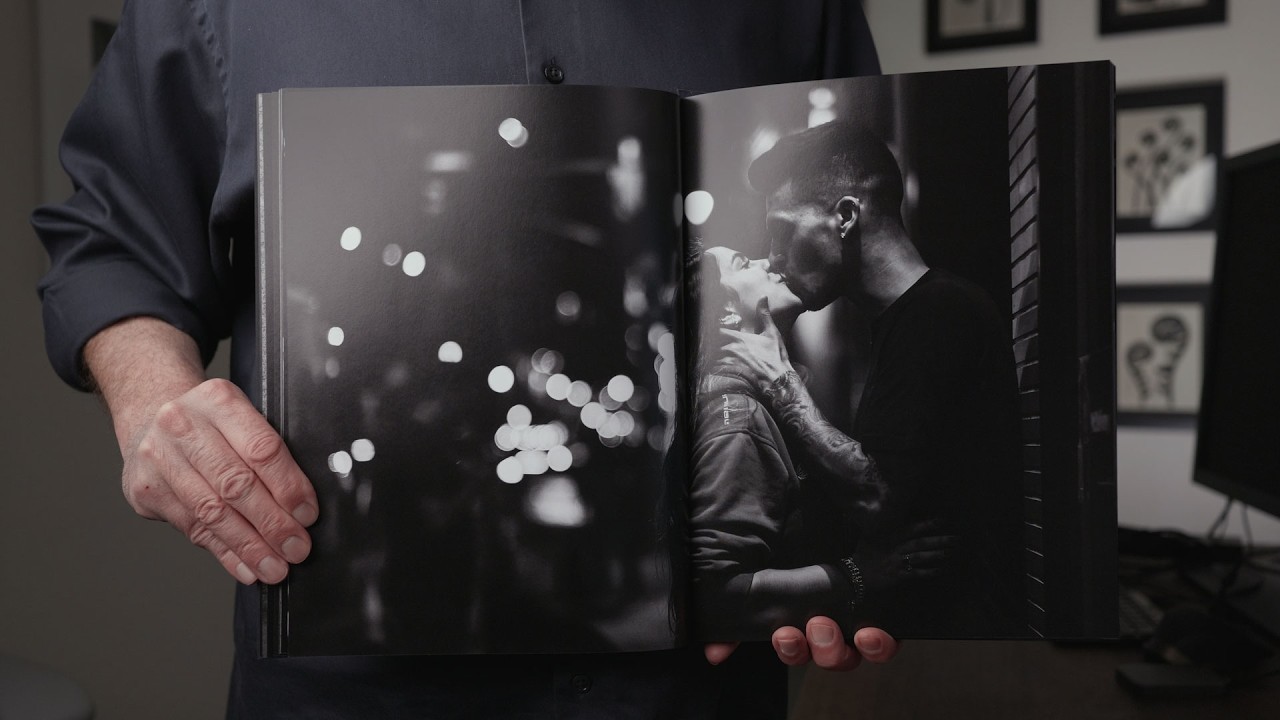
absolutely free. No credit card required. Just go to squarespace. com/aop. Sign up for that free trial. If you decide Squarespace is right for you, I can save you an additional 10% on your order by using offer code AOP on checkout. That's right, the code is AOP. So, stop procrastinating. Go build your website today. And I want to give a special shout out and thanks to Squarespace for sponsoring this video. Okay, so next up we have a book that comes to us from Male Corey. This is called Morning Light. I want to read you a little of the intro, which reads, "Back in high school, I enrolled in a summer photography class. With an old film camera that I bought on eBay and a few rolls of Ilford black and white film, I began to experiment. In class, I studied the theory and the history of this technical art. After class, I was out shooting film and later developing my images in the dark room. What I remember most is feeling this thrill to explore new places and search for new photos. Later that summer, I traveled with my parents to Lebanon to visit family. It was a very short trip, but I was excited to bring my camera and explore this familiar place with a new lens. I now had this superpower which can turn any mundane work into a thrilling scavenger hunt. In the mornings, I'd wander around Beirut taking pictures of beautiful details of old wooden window shutters and archstone doorways. 12 years later, I've come back to visit family, spend time in my home country, and take photos. So, male, this is very nicely done. And I love the fact that this is a documentary based project. It's street photography essentially, but it's not the same street photography that we see all the time. What I really think makes it magical is that you've taken your own family heritage and where you come from. You've gone to Lebanon and you've incorporated all that background into what it is that you're doing and it really comes through. I feel a sense of family. place. I feel a sense of where you come from and I think that this is really nicely done. I commend you for it. A couple other small details that I'll point out. I love the fact that you're switching between color and black and white. There's a lot of interest that's kept up through this whole thing. And your sense of pacing, I think your sense of spreads. Uh when you put two images on a page, they have a relationship together is very mature. You're not afraid to pause and start a new idea at times. And this is really good. And the reason that I'm pointing all these out is that you mentioned this is your first photograph book and hopefully the first of many. And man, you did an awesome job on this. It's well printed. It's well put together. Really nice. You should be very proud of this and I can't wait to see what you do going down the road. So, please keep in touch and definitely please send me more projects. This is great. So, male, awesome work. Next up, we have two books that come to us from Christian Hicking aka Clicking. Great name, by the way. And I want to read you a little Christian's note. He writes in here, "Dear Ted of the Dark was originally created as a photo book for my mother. It contains a selection of pictures from the first two years since I discovered photography in the fall of 2016. I have now redesigned it as a Zen. Sin concept was created in February and you might be happy to know that the trigger for me to try my hand at a Zen once again was your mail time videos. I sat down one day at 5:00 in the afternoon after watching three of your videos and started designing the Zen. 5 hours later, I was finished with the content but still needed a title. In Germany, there is a saying, the child needs a name. And because I had noticed many of your other featured zenes where the photographers had a concept of their zen and I didn't. So I spontaneously came up with the idea for the title. I hope to receive feedback from you. Maybe you can tell me if you can recognize the development because I am someone who works very much in the moment and doesn't look at things again and rework them. You will definitely have suggestions for improvement. In retrospect, I've already noticed a few things that I would do differently in a reprint. Best regards, Christian. So, Christian, there's some nice work that you sent me here, and I want to say a few things about this. So, first of all, yes, there's definitely improvement from the last time you sent stuff in, and that's awesome, and we're always all trying to improve. And, you know, I love the fact that you were kind of nervous about sending it in, but at the same time, that's what this is for. This is a celebration of making things. It's a celebration of being creative. improving our skills as photographers. And I've seen that over the course of the years that I've done this channel. People who send me stuff again and again, and you do see that improvement, and it's awesome. You're doing some things really well in both of these scenes. And one of the things that I want to point out, I'm not sure if you're doing this intentionally or not, but it has a cool effect. You have a really good sense of pacing, a good sense of spreads, things that go together. I'm going to give you an example here. In a spread like this, we're dealing with texture. We're dealing with line, maybe shapes, a little bit of abstraction. But then other times, you flip the script on me and you do things like this that I think are outstanding. On the left there's a picture of a post in the snow. And on the right, we've got a rainbow in the night sky. Now these two things don't seemingly go together but in this weird abstract way they do and they complement each other. It's about the contrast of these things. And so those are some strengths that I would definitely play to. Now I want to challenge you on one thing because you mentioned in your note here that you're not one to really revisit things. You work in the moment. However, the irony is that you sent me
Segment 4 (15:00 - 17:00)
this piece which started out as a book and then you reworked it as a zen. And so maybe you're doing that a little more than you think you are. But one thing that I do think is extremely important and this is the advice that I want to give you. It is very important to have a relationship with your own work because essentially you're going to be the photo editor on all these things. All of us are essentially unless we're doing a professional project where there's a hired photo editor and that's very rare. Now what I want to say about that though is you need to have a better sense of what you're taking out versus what you're leaving in. I would say about 90 to 95% of the stuff that's in here belongs here. It's awesome. But you're doing street photography and sometimes you have things that are a little bit on the snapshot side of things that I think could be edited out. That's a minor little nitpicky thing, but I think it would make the work stronger. Uh you could make each one of these zenes about 10% smaller. Uh you'd save money doing that and you'd have something that's conceptually stronger in the end. Here's another great example. The wine bottle and the guy looking off. They have a wonderful relationship with one another and you do a lot of things really well like that. What I would do is challenge this. I would say flip the script on yourself because I think you found a groove where you're kind of working a certain way and I think a lot of it is working out for you. If you want to take this up a notch and take it to the next level, here's what I would do. This is kind of similar advice that I gave earlier, but I would find a subject to stick to on this. I would find what we called the point of departure where you want something that's going to be a photography subject obsession for you. And I can't answer what that is for you. You're going to have to figure out what it is for you. I could say what I do but and I went through a similar thing. This is similar advice I gave to the 365 oh 366 day project. Uh but you know I when I started out I would just kind of go from subject to subject. I was understanding how to compose. I was learning how to work with light and all those things. I think we all do that. But at some point you realize that you've got a lot of photographs and there's no commonality. There's no thread. There's no glue that holds that together. And so for me eventually um that led me to several things that ended up getting me to a point where I was into doing the ballet photography stuff that I do and also the work that I do in Japan. Those two things are very different but those are two very solid subject things that drive me. They're very open-ended but at the same time it's something that holds things together. So what I would do is maybe come up with your next scene and start with the title. Give it something. It can be conceptual. You don't have to go shoot portraits of people and keep, you know, you can keep your consistency, but you can also keep it very open and improvisational like you do well. But come up with your title first. Think of the subject and then shoot to that. I would be really curious to see what you came up with. Both of these are very good. I love the name on the book. Both titles are great, actually, and you're doing great stuff, man. So, please keep it up and I hope that advice is somewhat helpful to you. Anyway, I would love to know what you guys think. I want to thank everybody for sending stuff in today. As always, I will see you in the next video. Until then