Your roads may be releasing toxic chemicals into the air
1:34

Your roads may be releasing toxic chemicals into the air

Hashem Al-Ghaili 13.05.2026 67 просмотров 4 лайков

Machine-readable: Markdown · JSON API · Site index

Поделиться Telegram VK Бот
Транскрипт Скачать .md
Анализ с AI
Описание видео
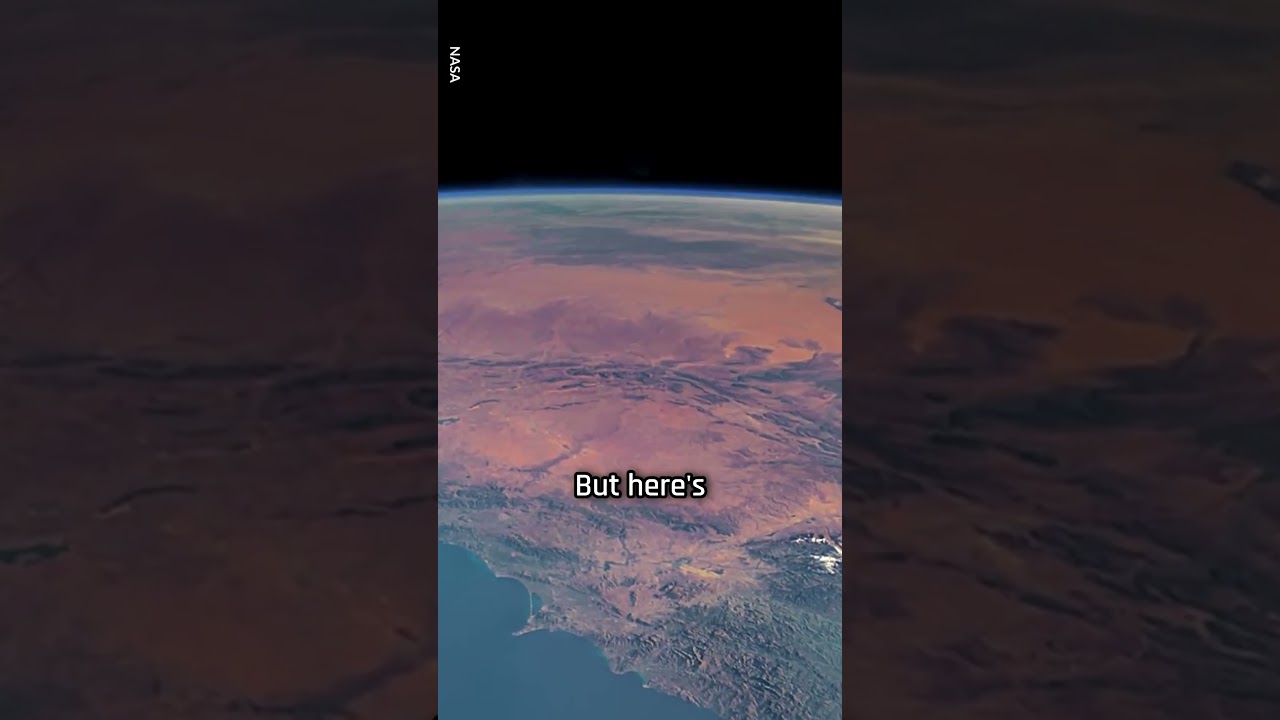
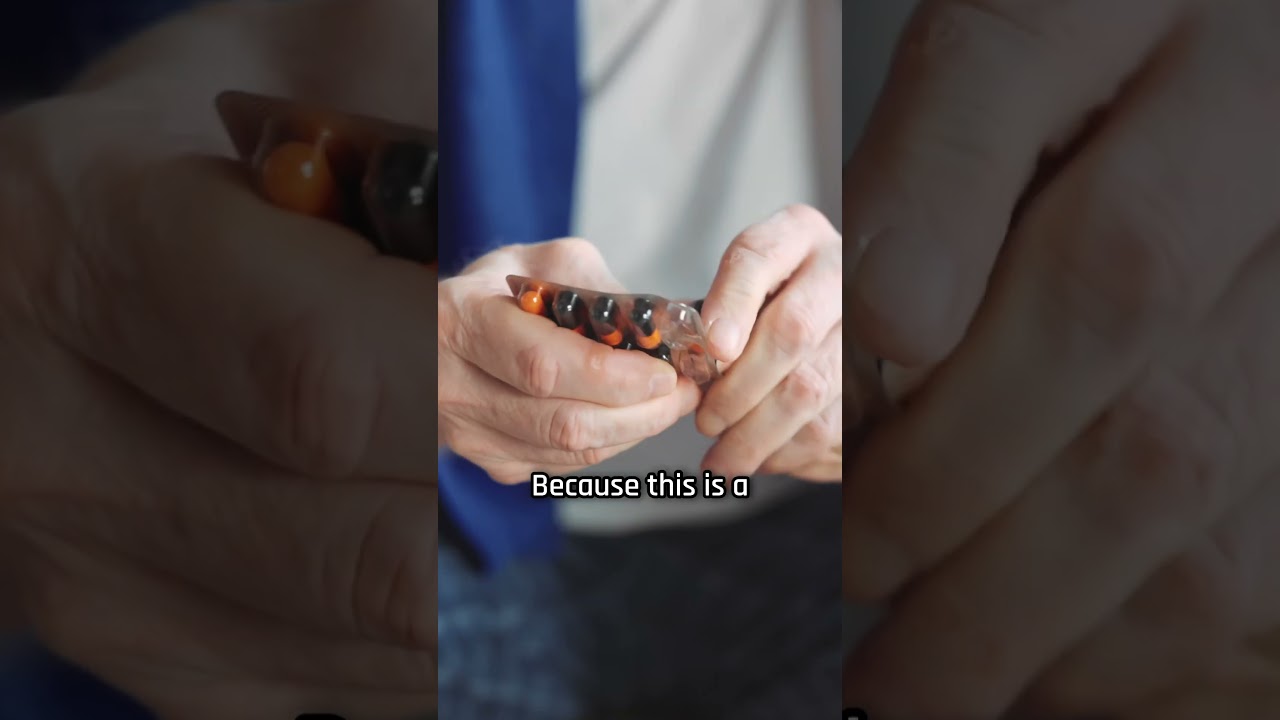
Did you know the roads and parking lots around you may be quietly releasing toxic chemicals... into the air you breathe? We usually think of pavement as inert. Just ground beneath our feet. But asphalt covers enormous portions of cities... in places like Phoenix, nearly 40 percent of the urban landscape. And researchers found that bitumen... the black binder in asphalt... continuously emits volatile organic compounds, especially on hot, sunny days. And those vapors are not harmless. They’re what give asphalt its familiar smell... But short-term exposure has been linked to dizziness... while long-term exposure may raise lung cancer risk. But here’s where it gets even more unsettling. As pavement ages... sunlight and heat begin breaking it down. And the chemical mix changes. Older asphalt can release smaller, more toxic molecules... capable of penetrating deep into the body... even reaching blood vessels and organs. In models, that has been linked to neurological damage... with effects appearing especially strong in women and older adults. But scientists may have found a surprising solution. An algae-derived binder grown using nutrient-rich wastewater can be added to asphalt... and in lab tests it selectively captures some of the most harmful compounds... reducing toxicity by roughly 100-fold, while slowing pavement breakdown. And when you consider there are about 4 million miles of roads in the U.S. alone... That could change what cities are made of. Because maybe the future of safer streets isn’t just stronger pavement. It’s cleaner pavement too. Instagram: https://www.instagram.com/hashem.alghaili/ Facebook: https://www.facebook.com/ScienceNaturePage/ Other channels: https://muse.io/hashemalghaili

Оглавление (1 сегментов)

Segment 1 (00:00 - 01:00)

Did you know the roads and parking lots around you may be quietly releasing toxic chemicals into the air you breathe? We usually think of pavement as inert, just ground beneath our feet. But asphalt covers enormous portions of cities. In places like Phoenix, nearly 40% of the urban landscape. And researchers found that bammen, the black binder in asphalt, continuously emits volatile organic compounds, especially on hot, sunny days. And those vapors are not harmless. They're what give asphalt its familiar smell. But short-term exposure has been linked to dizziness, while long-term exposure may raise lung cancer risk. But here's where it gets even more unsettling. As pavement ages, sunlight and heat begin breaking it down, and the chemical mix changes. Older asphalt can release smaller, more toxic molecules capable of penetrating deep into the body, even reaching blood vessels and organs. In models, that has been linked to neurological damage with effects appearing especially strong in women and older adults. But scientists may have found a surprising solution. An algae derived binder grown using nutrient-rich waste water can be added to asphalt. And in lab tests, it selectively captures some of the most harmful compounds, reducing toxicity by roughly 100fold while slowing pavement breakdown. And when you consider there are about 4 million miles of roads in the US alone, that could change what cities are made of. Because maybe the future of safer streets isn't just stronger pavement, it's cleaner pavement

Другие видео автора — Hashem Al-Ghaili

Ctrl+V

Экстракт Знаний в Telegram

Экстракты и дистилляты из лучших YouTube-каналов — сразу после публикации.

Подписаться

Дайджест Экстрактов

Лучшие методички за неделю — каждый понедельник