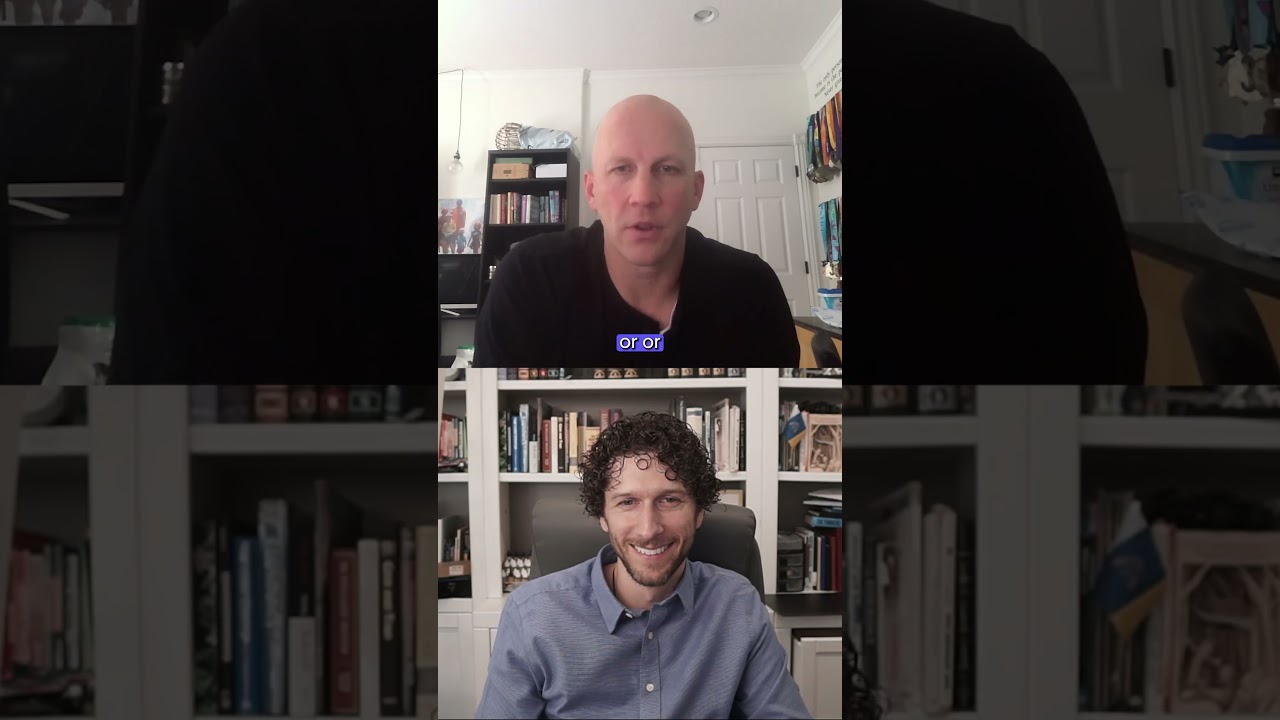
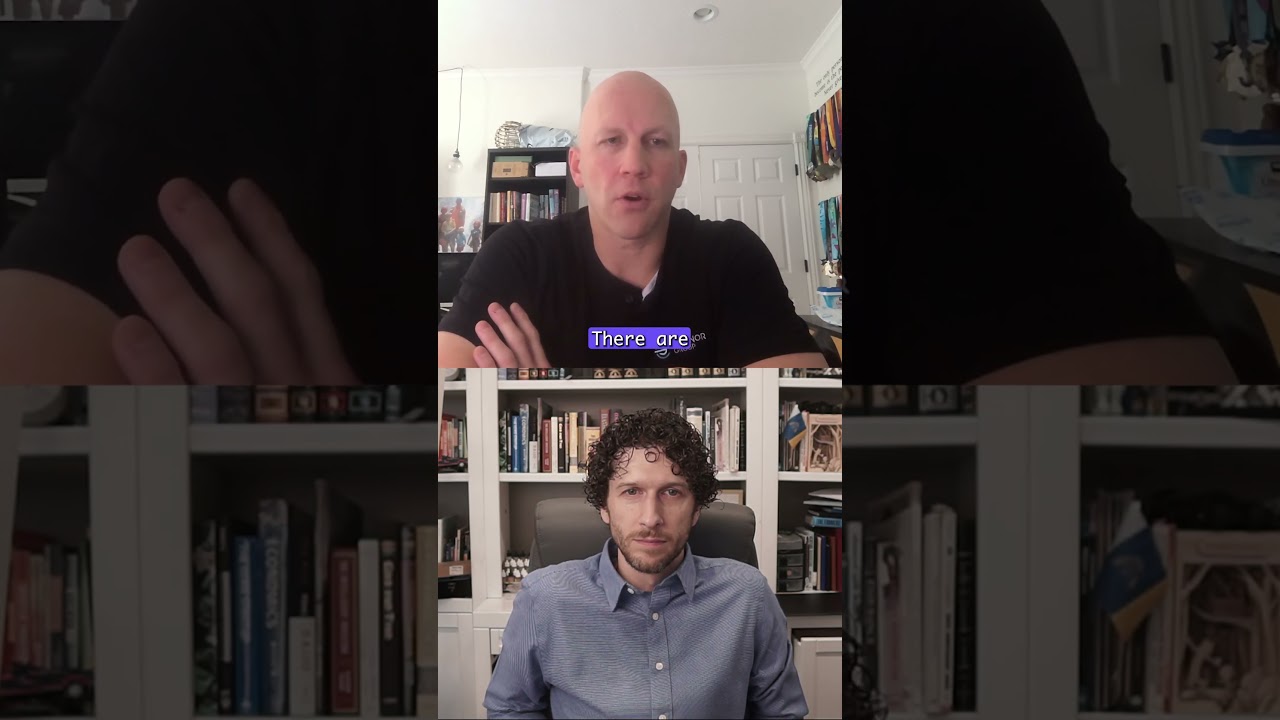
In this episode of The Venture Capital Podcast, we sit down with Kamran Ansari, Founder and Managing Partner of Capital Ventures and Venture Partner at Infiniti Ventures.
Kamran has backed companies like Plaid, Klarna, Lithic, Venmo, Acorns, and more. We talk about how venture capital is changing in an AI-first world, why the industry is splitting into “big or first,” and what still matters most when backing early-stage startups.
We also dive into:
How AI is changing venture capital
Why early-stage investing is still a relationship business
The real state of fintech in 2026
Why capital is not commoditized at the earliest stages
What makes exceptional founders stand out
How investors think about discipline vs exceptions
Where AI is creating real opportunities in fintech
If you’re a founder, investor, fintech operator, or startup builder, this episode is packed with sharp insights on where venture is heading next.
#VentureCapital #AI #Fintech #Startups #Plaid #Klarna #Lithic #StartupFunding #VC #ArtificialIntelligence
Follow the Podcast
Instagram: https://www.instagram.com/venturecapitalfm/
Twitter: https://twitter.com/vcpodcastfm
LinkedIn: https://www.linkedin.com/company/venturecapitalfm/
Spotify: https://open.spotify.com/show/7BQimY8NJ6cr617lqtRr7N?si=ftylo2qHQiCgmT9dfloD_g&nd=1&dlsi=7b868f1b72094351
Apple: https://podcasts.apple.com/us/podcast/venture-capital/id1575351789
Website: https://www.venturecapital.fm/
Follow Jon Bradshaw
LinkedIn: https://www.linkedin.com/in/mrbradshaw/
Instagram: https://www.instagram.com/mrjonbradshaw/
Twitter: https://twitter.com/mrjonbradshaw
Follow Peter Harris
LinkedIn: https://www.linkedin.com/in/peterharris1
Twitter: https://twitter.com/thevcstudent
Instagram: https://instagram.com/shodanpete
Youtube: https://www.youtube.com/@peterharris2812
Оглавление (11 сегментов)
Segment 1 (00:00 - 05:00)
And look, I think sometimes investors are just naturally curious, right? Even if they have boundaries and rules, they want to meet with the best founders and just see what's going on, right? Like what are they up to? Is it something really cool they even thought of, right? It's like, you know, I don't get out of bed for less than a million or what? And then this great founder will be like, well, look, I only have 650 open. And you know, they'll he on 650. So like it's there's some posturing. Uh, and I try, you know, I I learned the venture business really from Alan Patrickov at Greatcraft. All right, welcome to the VCFM podcast. Today we're joined by Cameron Assari, founder and managing partner of Capital Ventures and a venture partner at Infinity Ventures. Cameron is a seasoned early stage investor who's backed companies like Plaid, Clara, Lithic, Coast, and many more with deep experience across fintech, payments, and commerce. We're excited to dig in how venture capital has changed in the AI first world. Peter and I met him at the money 2020 summit and had a great conversation and so we're excited to have him on the podcast with us today. So welcome to the podcast Cameron and before we get into it, do you want to talk a little bit about your background and what you think the audience should know? — Sure. Yeah, thanks for having me. Uh it was great to chat at money 2020 and excited to be here. Uh I've been in the venture and tech business about 20 plus years both in Silicon Valley and in New York and had the fortune to work at a number of uh venture funds including Tai Capital uh and Graycoft for many years and now have my own vehicle for doing seed and preede stuff on my own and then I'm a venture partner with Infinity as well. Infinity is a um uh early stage fund focused on commerce and fintech and uh was founded by the former PayPal corp dev and ventures team that spun out about five six years ago to uh start infiniti uh and they're guys I worked with for a long time going back to when I was an investor in Venmo and we sold VMO and Brainree to PayPal and then when they started PayPal Ventures uh did a bunch of deals with them uh through that group in including Acorns and Plaid and others and then when they spun out and started Infinity. Been doing deals with them since then as well. So known them for a long time. It's good to kind of uh start working more closely together with them. Uh and I've, you know, in my career also had a few operating roles. So I think it's important actually uh have done stuff on the operating side as well. Most recently I was at Pinterest in San Francisco running strategy and corp dev uh and seeing all the good, bad, ugly of uh being inside of a hyperrowth company while it's still private and uh can talk about that as well if you want, but uh thanks for having me. Awesome. — Welcome. — I I'm curious what um what types of investments what's your investment thesis for your firm today? — Um so the I think about sort of investment thesis kind of majors and minors, you know, like my major is definitely uh fintech and payments and maybe the minor is more commerce and commerce tech. But, uh, one of the nice things about, um, having my own vehicle in addition to kind of doing stuff with Infinity and Greycoft and others over the years is the flexibility to do stuff that's neither of those things or uh, maybe a little left to center. Um, because I think uh, I've learned over the years a venture is the business of exceptions. So, you're looking for exceptional businesses, exceptional founders, exceptional ideas. And if you're too rigid um with your kind of like the investment has to fit in this box, it's like it's got to be like, you know, seed round raising five million or less at this valuation or less, you know, and this and that. Um you know, when something comes along, we just have a spidey sense that this is something special. Uh I think you got to jump on it. So I've done a few of those over the years and you know, some have worked out, some haven't, but um the most recent one that's totally not part of Infinity, everything else is a karaoke business. uh that I'm really excited about uh which we can talk about maybe a little later. I don't know if those guys have announced what they're doing yet, but uh that's going to launch soon. Um and uh and I also just backed a um an e-commerce business, a DDC e-commerce business in the uh kind of cowboy western uh skincare area. So that that'll be launching soon as well. — Very cool. Yeah, that those are quite the departure from fintech. Yes. — I'm curious. You've been at Disney for a long time and worked at some really great firms. — There's always a lot of talk in the industry about how it's important to be disciplined as an investor and kind of like stick to your guns, but then to your point like it is an industry of exceptions and I think there's not a venture fund out there that doesn't like go outside of their bounds on occasion. How do you think about especially like from somebody from the outside looking in, right? So, like a lot of founders will look in and say, "Oh, well, like that fund's not a fit for what I'm doing, so I won't pitch them. " Or what'll happen more often, I
Segment 2 (05:00 - 10:00)
think, is they get frustrated when they're like, "Hey, I pitched this found this fund. " And the fund was like, "No, you don't fit in my box. " And then they went and funded a karaoke business, right? You know what I mean? — Or and I have had someone get mad at me for fun that karaoke business because they're like, "Well, you never fund my thing, but you funded that. " It's like, well, exactly. have to have some, you know, provoc, you know, uh, provocative or prerogative, I guess, if you want to u to do the deals that you think makes sense. Um, discipline, look, discipline is important, right? You can't look at everything under the sun. What discipline does for you as a firm, as an investor, is kind of puts some uh guard rails or filters on what you got to look at. Because, you know, if I was going to hang my hat out there and say, I'm looking at every fintech company and every geography from C to series D, it's just like it's too much stuff, right? You're just going to be inundated with um uh deals and things being sent your way. So, you have to kind of uh put some boundaries on it. And I think that helps you focus. Um but look, this is a super category. Fintech is not a small, you know, area. It has multiple subcategories that are enormous. Um similarly I think commerce tech and e-com you know are pretty big uh spaces and I just don't think um you know it's not so limiting but I at least it kind of puts some boundaries on things and you kind of have to do that I think just to kind of keep your own sanity but um you know I had that experience where founders get frustrated or they're like look you know why did we even meet you know you knew I was raising a seed round uh but you know you're a series A fund or whatever right like I thought founders of mind go meet with other firms that do this. Um, and look, I think sometimes investors are just naturally curious, right? Even if they have boundaries and rules, they want to meet with the best founders and just see what's going on, right? Like what are they up to? Is it something really cool that I even thought of, right? It's like, — maybe maybe, you know, this will be the one deal that breaks, you know, all of my rules and I'll I'll do that. So, I think every major venture investor, despite what they say, will make exceptions. Um, but I think some of the larger more kind of prestige firms uh probably make fewer of those exceptions than others because they just don't have to. Frankly, a lot of times they're just like, "Well, I don't have to make exceptions. " — Right. Do you think that makes them better firms or is it more just to your point like they can do it like they don't have to make exceptions so they don't I think it's more that you know it's like that they can drive a harder bargain. Um but again I I've seen even those firms when it's a great deal you know they'll be like oh my minimum check is a million and I don't get out of bed for less than a million or what — and then this great founder will be like well look I only have — 650 open and you know he on for 650. So like it's there's some posturing — uh and I try you know I I learned the venture business really from Alan Patrickoff at Greycraftoft — uh who's you know just I think the best sort of investor and manager I've worked under the venture business — and after — he's built you know multiple firms and he's seen everything and one of his u mantras was always uh to try to have some flexibility because — flexibility enables you to get into deals and get your foot in the door and kind of not get in your own way. Um, and so, you know, at Greycraftoft, at least initially when I was there, you know, we would lead and follow, we'd syndicate deals. We' we'd write a smaller check, we could take a board seat, we could not take a board seat. It wasn't this like we're only doing deals that are like on Sanhill Road or in New York City and we had a million dollar check and have a board seat and own 10% and this, you know, once you get down this list, it's like it's so limiting um that again you can kind of get in your own way. So I think it's good to have that flexibility. — Yeah. I also think a lot of funds use kind of their quote and quote rules as a way to say no for other reason that when there's another real reason, right? It's like — you're right. — I don't want to tell the founder that like I'm not going to back him or her because I don't trust them or I don't believe in them or whatever. And so it's a lot easier to just say, well, we don't do these types of deals. Right. — Right. you know, we that that's correct. Um, — when I was last raising, Peter said he didn't trust me, so I don't know why I'm different. Just kidding. — Well, and I was just thinking about that though. It's, you know, so I think everyone likes to say, uh, I appreciate direct feedback. I really want you to tell me what you think. But like the truth is a lot of people don't appreciate direct feedback and like, you know, they didn't want you to call their baby ugly. Uh, and so it's easier to say, look, you know, this is a little left to center, not exactly the kind of deal we're looking at. Um, but you know, I do try to I tend to be more direct. I do try to tell people, look, yeah, I
Segment 3 (10:00 - 15:00)
know the company last week that came in and this guy had this big grandiose ambition to like reinvent the construction business and do all this stuff. And uh, and he's like, yeah, that's why we're going out for a seed raise of $320,000. And I was like, "Look, it feels a little bit like unambitious given the scale of what you just described to me to be raising, you know, $320,000. " Like, well, he's like, "Well, but I, you know, people told me that I should be capital conscious and conservative. " So, it's like, you know, I think founders have all kinds of people in their ears and they're maybe they're watching too many of these podcasts or whatever. I don't know. Uh, from guys that haven't done it as long as I have, but uh and so that they come with these beliefs that you're like, "Well, who told you that? " I don't know. like I don't agree with that. Uh and maybe that's true, but not if that's true, then you shouldn't be pitching like institutional venture investors, — right? — Um so, uh I think it's important to kind of maintain that uh that perspective, but yeah, I do agree that some firms use those rules as a uh I don't want to say crutch, but kind of a fall back to kind of soften the blow. Yeah. — Yeah. — I'm having some coffee. I don't know if he's like blurred the brand because he, you know, they haven't a large Seattlebased chain has not paid to, you know, — they haven't sponsored this podcast. — Should I like put stick around? I want to like, you know, follow the new sponsorship yet. — Um, well, so let's switch gears a little bit. We really wanted to talk with you because you've been in this industry a long time, seen a lot of like shifts, changes. Um, let's talk about AI and not AI from a perspective. What's the cool new AI business to invest in, but how is AI impacting venture — from your perspective? Both like how firms operate as well as like the broader, you know, venture ecosystem for lack of a better way to say — I saw good I was saying AI someone recently was like, "Yeah, you mean Alan Iverson, right? The basketball player. " It's like the only AI that mattered 20 years ago. Um I mean it's been a tectonic shift for sure. Um in some ways and in some ways it's reminiscent of you know if you've been doing this long enough like I remember the kind of internet wave the you know web 1. 0 Amazon web vans you know pets. com that era. Uh and then you had kind of the mobile revolution and you had SAS and you've had kind of um uh big data and there was a wall where everything was like big data was kind of the hot word and then like before there was generative AI was machine learning — um and at Pinterest when I was there obviously we had a ton of AI — uh we leveraging computer vision so like to me AI wasn't this like brand new thing it's like you know at Pinterest we had it 10 years ago — um obviously come a long way. Uh but so you know my response would be in some ways it's the latest kind of technology wave that's profound and in changing uh businesses and so forth. um meaning that it's yeah I don't want to say just another thing but like kind of just another thing or like the next evolution um from like the internet to mobile to SAS to you know big data and cloud and all that um but there is this sort of sense of uh that it's different right there's a sense of like this is different than anything that's come before it um both in a good way and a bad way where you know there was this article yesterday or last few days about where the guy's like you know something awful's happening with AI like this latest cloud model like you know we've begun the singularity like you know cyberdine systems has become sentient and we'll uh eventually you know we'll love the Terminator 2 scenario happening um — I sure hope not — so there is some of that but um but I think the point that you're making and you want to get to is like has AI and will AI changed the venture business itself, right? — Yeah. — Um the business of a certain genre of people like myself uh providing capital and guidance and counsel and help and assistance to uh founders building companies. — Um and my answer to that is largely no. — Okay. with the exception of uh AI is going to fundamentally transform the way that um and it already has the way that uh deals are sourced, analyzed, underwritten like all of the filtering, the analytics um there's a lot that can happen with AI now that just wasn't possible before. Y — so um to the extent that you know a lot of firms have be have now built their
Segment 4 (15:00 - 20:00)
own systems to essentially try to distill down like all the you know thousands and millions of companies are started every year to like hear the most promising — and then within those like you know looking at all the different metrics like number of LinkedIn posts and like number of roles that are they're hiring for the velocity of like internet searches for that name and all these different signals that now you can very quickly kind of process and put through AI to kind of help you filter. — Yep. — Um so I think that sourcing and analysis piece uh is probably the most immediately impacted by AI. Um but the part that's not the part that I think is very difficult and I to emulate using AI is the piece where yeah I still think that fundamentally early stage venture is a business of handto-hand combat and one of kind of a founder and a partner relationship and it's about trust and counsel and advice and nuance. Um, it's not just about writing a check because there was a comment someone hear capital is commoditized. Well, it's like if that's true then why do the best firms keep seeing the best deals, right? Like if founders think capital is commoditized, then just like go to the bank, right? — Right. — Why do you want to raise from Sequoia or who? — Um, so capital's not commoditized, not an early stage venture. Late stage maybe, right? You're raising your, you know, data bricks is raising their series like Z or whatever — and they're going to raise hundred billion dollars or $50 billion. Yeah. you can have like the Abu Dhabi government and the Singapore and this people and like Kotu whoever like that's fine. Um but the early stage is not right. It's really about trust. And I was thinking of this morning because there were two deals that um we just closed this week and they're both founders I've known for a long time and on each of them last week there was um you know there's always issues that come up, right? You have to negotiate around economics, board seats, governance, um check size, valuation, uh you name it, right? that class of equity like you prefer senior preferred pair and I mean could I have had AI have all those conversations with like the founder and my lawyers and everybody else and then like go back and forth and negotiate in a way that was satisfactory. I doubt it. Right? Like um you could maybe exercise some amount of intelligence on like going through all the documents and saying hey like based on you know Gemini says based on like all the documents this should be parasu at this value. Okay, fine. I can use that as like a backdrop, but I still got to call the founder and be like, here's why we think this is the right price and I should get this equity and so there is a art um and uh a real kind of nuance to how you negotiate and how you build trust and get deals done. — Um, — and that's just the beginning. And then you got to like manage the company, be on a board, navigate hiring and firing, running out of money, maybe going out of business. I mean, a zillion state lawsuits, there are hundred things that come up, right? Um, and that's what you're doing as an early stage investor is being there as a — as a counselor, as a fiduciary, as an adviser, someone who's sort of they can lean on. — Yeah. Do you think like fund structures change over time? And part of this like it's kind of like an intersection of two major trends that I feel like we're seeing. One is um a friend of mine made a comment. He's like the strategy today it seems like that are work there's two strategies in venture that work. You're either big or you're first and so you're seeing like more and more of these funds get bigger and bigger and what they sell is not necessarily performance. They sell the ability to cut a hund00 million LP check into their fund and they're really asset managers or they're preede seed kind of a lot of the investing you're doing and they're first right they're finding those diamonds in the rough they're building the relationships especially where like capital is not commoditized and those relationships really matter because it is more of a partnership but then you also marry that with AI coming in and saying hey I don't necessarily need analysts associates even principles right like anything that's like deal sourcing and analytics potentially could be outsourced to AI I don't know what do you think do we and what does that mean for — let's start with the first comment I agree the first comment right — the business is bifurcating the venture asset class is bifurcating into — mega funds that really to call them venture funds feels in some ways disingenuous Sure. — Um like I saw there was like some hot take that this woman put on LinkedIn which like Andre Horus is not a venture fund. It's like okay that's a little aggressive but like you know she's kind of right. — It's a multi-stage asset manager right? They have early late they do public they
Segment 5 (20:00 - 25:00)
do crypto. Um you know they don't I don't know if they do long short or real estate but like it's only a matter of time. Right. — Um and so there is that genre of fund and firm. Um and they have a strategy like you said it's about AUM it's about kind of different asset classes diversification and the resources right you have like hundreds of people uh and at Pinterest Andresa was one of our investors and they had like a corp dev team and a recruiting team and a marketing team and like all these people that I could like call up and uh get help on stuff and so that's one model and then there's sort of the artisal bespoke early stage model which is um you know hasn't changed much really — uh it's still you know in my view again I think it's you know venture is kind of — at the early stages it's not a team business it's kind of an individual sport right yeah it's um — no matter how big the firm is no matter how many partners there are the founder tends to have a relationship with one investor you know who sponsored the deal brought it in who championed it believed in them you know early and was going to pound the table and explain to everybody else why this thing is great um you know they're not texting 10 people at the firm when something goes wrong there's again there's that one relationship so uh I think that is definitely happening and at the earliest stages maybe it's um kind of pushing people to become even more uh as you say maybe smaller or artisal and like you know kind of not as um not you know choosing a swim lane right um being first yeah that matters for sure uh especially because at the you know these rounds that you're talking about if someone's you know someone's a it's a great business maybe a repeat founder raising three or four million dollars right it's just not a lot to go around uh when you have multiple kind of institutional investors um I haven't thought your other question though about like so does that mean that as early stage firms that you don't need as many analyst associates principles because the work of kind of doing the analytics and memo writing and sourcing um can be can we you know uh outsource using AI — I don't know yes to some extent — there's also an element if everyone's moving you know if there is this bifurcation do you really need a lot of people right so to underwrite like a preed seed deal — no you like with my own vehicle for example I you know I'm investment committee of one I can uh you know the hardest part sometimes are the capital calls because you got to like, you know, move money around or, you know, call, you know, uh, call the broker or do whatever. But, um, but it's not, you know, you don't need a lot of people to kind of do, um, the decision- making, but there is, uh, there's a complicated once we're in a deal, there's absolutely a complicated process of, especially if you're an institutional investor, you have institutional LPs and you have audits. — Um, you know, we're always now at infinity. I saw this many times at Graycoft. you have to track all the investments and the more funds you have, you know, by the time we were on like great craft three or four, we had like 250 companies or something — and you got to have all their quarterly, you know, financials and you have to do a thing with Price Waterhouse or whatever and file it and so that administrative burden alone um does really need uh analysts and people at the firm and you can you can outsource some of it and have like oh our external CFO and the external audit firm and this external this and that can But truthfully, you still need at least a person or two who's internal full-time at the fund and knows these companies — um to work on that. And that's not a great use of time for like the partners that should be actually doing deals and working with the founders to be spending time, but like it's a very real part of the business. — Um — Yeah. — And uh and a part that's actually tough for smaller firms. — Yeah. Well, it's it's part of the expectation of being institutional, right? is that you do all of those things that you do. You're just like an angel, — right? Right. — You do club deals, right? Um — so there's a certain amount of rigor, — but we'll see. I mean, I haven't seen it yet. I do know some firms that, you know, are newer firms and they the initial there's one this one group here in New York where like there are two or three partners and then they had a couple like principles and senior associates and stuff and then after a year or two they just decided just to like have it be just the partners. Yeah. — Um, but I don't think that was not about AI and it wasn't about like cost cutting. It was more just I think they felt like if you're doing the kind of early stage artisal thing then you really want um the founder to have a direct relationship with the partner that's going to be leading the deal and other people in the mix just kind of might add noise or that you know they're at events and stuff and then there's always this thing where it's
Segment 6 (25:00 - 30:00)
like well can you write checks or not? And it's like yeah, you know, and there are some firms where there's this like theater where everyone's named a partner and you, you know, who's a partner or not. Um, so I think there has been some push back on that where firms want to kind of avoid all that by being smaller and just having uh generally only, you know, partners or check writers. — It feels like tell me if you think differently, but it feels like we're seeing this bifurcation. Um firms are moving earlier by nature of the fact that they're moving earlier. The things that matter is the relationship between the partner and the founder. Um and so there's less need to have kind of junior staff. And then AI is not the driver, but it is kind of an enabler in the idea that like well now I really don't need the junior staff because the AI can do a lot of the deal sourcing and the underwriting, you know, with me alongside me. That makes sense. — Well, again, I agree with some of that, but not all of it because I I don't know if time will tell if these firms actually contract and you have fewer junior staff. So yeah, the junior staff again are not in my experience the ones that are really good like they add a ton of value and they're integral to the team because they're doing they're your first line of defense. They're um doing a lot of the stuff I mentioned in terms of um like managing the portfolio and you know setting up demo days and setting up updates with the companies and putting together the board notes and things like that. And the all these things matter um and uh they serve an important role also in just kind of um being closest in some ways to some of the founders in technology. — They tend to be younger. out more. they tend to be like using the newest products more readily more fil with new technology than maybe some of the older partners and so um there's an important role they play — uh at the at these places and then you know venture is very much like one of the last kind of cottage apprenticeship businesses I think where — um you learn by being at the firm and seeing uh what it takes to do deals and you know what to do what not to do questions to ask um and building that judgment and pattern recognition. It's just hard to do that unless you've been at a firm and kind of worked under people that have done that. — Yeah. Well, I mean, I hope you're right because one of my concerns and fears as, you know, a fund manager who spends a lot of his time training students uh on how to do venture investing is that there are will be fewer analyst and you know, junior roles — and that it will be more challenging for people to get that experience right to get that apprenticeship that coaching because I it does feel like that is such a necessary part to becoming a great investor, right? Totally. You talk about Allan who's an absolute legend, right? Like, — you know, think about how many people he's coached, mentored, and sent on their way to becoming — his coaching tree. It's like Bill Bich. — Yeah. uh you know the people that have kind of worked under Allen that uh and even like I had the fortune at Greatcraft to have a number of people who were associates and senior associates that maybe I help bring in or uh worked with and trained and hired who like I now see are partners at other firms or started their own firms and so it just it's a cycle right and that's a natural way and if there are less analysts coming up through these firms you know may end up with like the China birth rate problem at some point or it's like oh it's like wait a minute like we everyone have all these like really old VCs and no one behind them has the experience. Um so you know I think it'll selforrect you know I'm not too worried about yeah that's fair. Um so along that thread though when you're thinking about junior talent what are the things that you are telling them or coaching them on? What do you think are the things that are important especially at kind of the early stages of a venture career? — Sure. I mean, the best folks that I've seen come through um combine, I think, like a base level of aptitude and horsepower with just the right attitude, right? A sense of kind of um wanting to learn, committed to kind of doing more, um showing up, and it's not just about like working hard, like you know, if there's someone who uh is forcing it, but it's not a natural fit. they can work as hard as they want. Um, and it's going to be awkward. Uh, and I've seen some of those where it's just like, look, you know, you can show up as early as you want, stay as late as you want, but like if founders don't, you know, resonate with what you're saying or your style or it's just it's not going to work, right? Um, so, uh, but I think you
Segment 7 (30:00 - 35:00)
do have to combine the two and kind of have an attitude of, you know, I'm here to learn. I don't know everything from day one. I mean, some people come to these firms and all of a sudden it's like, I have a business card now that says I'm a senior associate of firm X and I'm going to go around and and we see this and it's embarrassing like go around to events and kind of like give founders advice and like talk to them about like how they should build their business and it's like well you know you're 24 25 and never really built anything. — Yeah. — And so you have to have a sense of humility and self-awareness about it. Um, and I think the best people that come into the firms as associates, senior associates have that and the worst ones don't. — Yeah. — And they try to come in day one and kind of be like, you know, big Johnny BC uh and doing the whole stick. Um so it is a combination of the two and then but you know the most important is that willingness to learn and to lean in to uh you know like the I've seen people were like oh you're you know you're taking a meeting with so and so would love to join or listen in um because again so much of it is just like being a part of as many conversations as you can like seeing as many pitches as you can meeting as many founders as you can and then you develop that pattern recognition um and there's kind of no substitute for that. — Yeah. So to me, I think that goes a long way. — Yeah. No, I agree. And that's something that I hammer with a lot of our students. I'm like, you just need reps. Just sign up for as many deals as you can handle because, you know, whether you like the deal or not, — you're going to learn something from it, right? That's going to go into that pattern. — You need to see some bad deals. You see some good deals. You need some good founders, some crazy founders. Right. Well, I mean, part of — founders, — well, part of the problem with venture is um this is a long feedback cycle. You know, you'll make investments now. You're not going to know for 10 years if they were good or not, right? — Yeah. — Uh now, I will say, and I was talking to uh my partner Jeremy at Infinity about this, that, you know, I it's rare that a company that like has been pretty mediocre all along all of a sudden like just flips a switch and is amazing. Like you think about mentioning like either my athletes, right? It's rare that like you know LeBron was like kind of and then all of a sudden he became amazing like eight years into his career. It happens, right? I mean obviously you know Sam Darnold or whatever he's won the Super Bowl — uh after many years of kind of bouncing around. So that happens with some companies, but by and large, you know which ones are the winners early on because they tend to attract the best talent, the more capital, there's growth, like so um but that said, even then, you know, things can go sideways and so you don't know for a long time whether someone's a good venture investor or not. Uh and so you're kind of like guessing at it a little bit along the way. Um and — there's like a certain amount of luck too, I just believe. — Sure. Like — yeah, — because you could have somebody that's exceptional at fighting their way into a super hot overs subscribed deal and like there's value there, but as you know as well as I do, just because it's a hot overs subscribed deal doesn't mean it's going to be successful. — No. — In fact, some wonder if there's like a reverse correlation there. — Right. Right. — Yeah. It's, by the way, I have I do need to post this somewhere, but I have noticed there's a — there's not an inverse correlation, but no correlation whatsoever in my opinion between — founders who send update emails and those who don't. — Interesting. — Like I have founders that send update emails all the time and then like all of a sudden you get the last update and it be like we're going out of business like we're done. And you're like wait a minute like the last like 10 updates were all like you know the standard format like what's going well, what's not going well, how you can help. like, "Oh, okay. " So, he's like moving along. Then you get one that's like, "We're out of cash. Sorry. " — Yeah. And you're like, "What? Like, what happened there? " And then you have others who like don't send any updates at all and they're crushing it, right? — Yeah. — And then everything in between. — So, unfortunately, like I, you know, all else being equal, it is nice to get updates. Um, it helps, you know, maintain connectivity and you stay in touch and there are opportunities to help and things like that. But I have found that uh for better or worse, I can't find any like statistical correlation in my portfolio with like outcome and whether they send update emails. — Yeah. Yeah, that's funny. Yeah. I now that you mentioned that I couldn't I couldn't tell you that I can see any sort of correlation either. — Well, so you know, it's nice that you do it — and I think it's good practice. It's good hygiene. Um — but I don't know if it's going to be you deterministic of a good outcome. — Yeah. What do you think does is like deterministic of a good outcome? This is a question I know that everybody always asks, but like what do you look for? Right. So, tripe, but honestly like it all comes back to the founders. Like the companies that I've had that have had good outcomes, it wasn't
Segment 8 (35:00 - 40:00)
linear the whole way. It wasn't like there were never any issues. There were never any, you know, there are always setbacks, right? are always uh you know people forget like Facebook had a down round right uh early on they like they were at 15 billion they had around I think at four billion then Microsoft did or something so um there are always setbacks and the best founders find a way through right they're figure outers um and they don't get you know that they you know they might get upset or whatever but they don't get down and kind of like they figure out okay well what's the next path right like how do I resolve this And um and that's why it just makes such a difference to bet on the person uh especially at the early stage because the ideas and concepts and business ends up changing anyway. Um it rarely ends up looking just like it looked when you first invested. But um but the tenacity of the best founders is really what I think ultimately determines success. — Yeah. Right. Yeah. I mean, you know, the best founders for them, it's not a career choice. So, it's not like they woke up one day and it was like, I can go to banking or go to business school or start a company. It's like they start a company because they can't sleep at night knowing this doesn't exist in the world. Uh, and they have to, you know, bring it to fruition and have it exist and have be successful. Um, and it, you know, a lot of that's innate. It's just some people are born that way, right? They're wired that way. — Um, and by the relentless, because I did a founder recently who was like pretty relentless, but the company still failed. — Sure. In itself, — that's not enough. Yeah. — Right. But he was like and he but and he's also relentless kind of in the wrong way where he just like he was like pathic you know he's like const like texting you calling you emailing you. — I think he was doing the same with like other investors and VCs he was meeting and talent he was trying to recruit and — and so you know there is again like a certain amount of nuance that goes into like being also like charming and and — having some EQ. Yeah. — Yeah. And just like just because you're like um hard charging and you know working 24/7 and you know doesn't necessarily mean you're going to be successful, right? People also have to like you and like working with you and etc. Things like that, — right? Right. — Yeah. No, I mean definitely like being a great founder also means that you have to be good at influence effectively, right? — For sure. whether that's sales or management or leadership or whatever it is because you're just yeah to your point everybody's got to like you customers employees investors partners — you got to attract capital talent um you got to attract business sales partnerships BD eventually maybe acquirers you know these things are not easy so I think you do have to have that skill — yeah for sure so in the last little bit of the show today. I wanted to talk a little bit about fintech. So fintech has been on kind of a roller coaster journey over the last let's call it five years, six years now. Um where do you think we are today? go? Where are the opportunities? Where's the intersection of AI and fintech really play out? Um, you know, we did a lot of fintech investing over the last six years and like it's been a very mixed bag for us. Um, you know, to be honest, like I think it has been for most fintech investors. So, — for everybody, — I'm curious how you're seeing it today and going forwards. — Well, leaving AI and fintech alone for a second because that's a big topic. But fintech, um, — if you would have asked me a few months ago, you know, the big narrative that's been true for a while has been lack of M& A. — Um, but then all of a sudden you had like Capital One picking up Rex, which I didn't see coming. — Kind of came out of nowhere. Uh, and then yesterday, Grab is going to buy Stash, the, you know, the investment app. — Um, — which again was not on my bingo card. Uh, the Grab, which I think is, you know, is like mostly a Asian, Southeast Asian ride share and delivery kind of Door Dash Uber comp is buying a US-based uh investment app. Uh, — it' be like Uber buying uh Robin Hood a little bit. I mean, it's like where's the — Uber buying like the Robin Hood of like Singapore or something, you know? — Yeah, exactly. — I don't know. Just the geos didn't but
Segment 9 (40:00 - 45:00)
um and then you know, Mr. Bees picked up step over the weekend or whatever. Um, so there's some M& A happening. It's like curious M& A. It's not, you know, it's not exactly um — what we under in terms of the comps that it sets for my companies. — Yeah. — Uh but um at least it shows a thawing of the uh fintech M& A world, which was pretty quiet for many uh quarters and you know really last four or five years. And then you've had a handful of IPOs. Um, you know, again, knock on wood, thankfully it's exits. Uh, so you have CLA and Chime and E Toro and um, Wealthfront and, you know, a handful of others got out, right? — Yeah. — But then like the stocks haven't performed super well. So the again it's like I think the story has been one of kind of mixed bag. Uh well yes there's exits but like asterisk they're almost all like below the last private valuations um which you know the private valuations obviously got a little out of hand in sure 2012 2021 — and not just in fintech right across — in fintech. Yeah. — So, it's hard to live up to those, but still you would hope that, okay, the adjustment happened. You know, like Clara, they took the haircut from, you know, whatever was 29 billion down to seven. They came out and, you know, went public at 9 or 10 or 12, but you grow from there. You get to 14, 16, 18 billion, but it hasn't, right? It's sort of like back at like nine or 10 now. — Yeah. It's just kind of been flat. — And that's kind of been the story for most of these. Yeah. — Uh Navon and you know a bunch of others. — Um so again mixed bag. Although I am hopeful that now that Capital One at least made a move like — put a piece on the chess board. — Uh what I'm curious about is does that finally force the other banks to start looking at fintech M& A in a more serious way? Because they really haven't. Like BFA's bought nothing. JP Morgan has bought a couple things, but then like they had kind of the black eye with the student loan business or whatever. So, they've kind of like put a halt on things. City Bank hasn't picked up much. Goldman has done some of the JVS with like the thing they did. Sorry. — Oh, we're good. Um, — but uh you know this maybe this opens it up, right? uh and some of the banks actually start looking at at fintech deals that they may want to they want to do. I've been wondering what do you think? Um I So you look at the public markets and like yes over the last week or so like everything software related. — Oh, demolished. Yeah. — I mean just bad. But even before that um like a lot of these companies weren't performing super great in the public markets anyways. And I'm wondering how much of that is driven not just by like the perceived impact of AI but just the capital flows to AI. So I was talking to this he's the head of a boutique investment bank in California. It's been working in industry for I don't know you know 40 plus years and he was like last year there was a hundred it was like $140 billion raised in the public markets. He's like there was over 200 billion raised in the private markets — and so like I'm wondering if like some of this is just — if you are not AI and frankly if you're not one of like 10 companies there's just not a lot of capital available for you to push up valuations. Um — I don't know what do you think? — Yeah I mean I think that's valid. Uh I you know there's a few things in there. One is a lot of people will tell you, oh, like the venture market in 2025 was so robust, but it's like the biggest ever. But it's like it's because it's driven by like five or 10 companies raising mega monster rounds. — Uh, and then everybody else, you know, it's as hard as ever. — Um, so that there's that kind of tail two cities thing going on there. And then, um, on the public markets, look, the public markets are it's a voting machine. It's driven by sentiment. Like I'd love to say that it's all based on like fundamentals and IBIT and it's like okay yes in the long run ideally in theory I believe that like the data shows it's driven by like revenue growth and IBIDA things like that but — um any given quarter any couple of quarters it's like you're out of favor you know the analysts don't like you uh they don't like your capex or the your hiring plan or whatever and so all of a sudden you just get uh and the moves are more volatile than Like when you have Shopify losing 10% in a day — uh off their market cap with no company specific news just because like Claude's AI is really good.
Segment 10 (45:00 - 50:00)
— Yeah, — man. This is brutal, right? — Um — Yeah, — but I think it's a buy to I saw today like there people, you know, people had named a bunch of these stocks that they were like, "Oh yeah, it's a good time to buy. " — Yeah, time to buy. I do think there is an element of, you know, Claude comes out and all of a sudden people are saying, you know, we were paying 35 times EBA, right? Basically saying like you can take 35 years to pay me back because this thing is a basically an annuity. And it's like, well, I actually don't know if like in 35 years Salesforce is still around. — Yeah, — I don't know. Probably, but like are they, you know, like I don't know anymore. It's not as certain. And so when there's that uncertainty, then valuations get cut. And it's not that the company itself is underperforming in any way. It's just like, well, 35 years is a long time. — Yeah. And I don't know if that's the right um time frame to look at technology investing anyway. Right. uh maybe for buying I don't know Coca-Cola or PNG or some of these uh kind of more um longstanding companies. Yeah, you can think about a 20 30 year cycle. — Yeah. — But like you know should you be holding Salesforce for the next 20 years? I don't know. It's not — Yeah. It's just these businesses change so fast and very few of them have maintained relevance um for 20 30 plus years. — Right. Even if you look at like, you know, think about how big like IBM was, right? Or, you know, when I like when I was first starting a venture, it was like IBM, Dell, Cisco, EMC, compact computers, humack. Those were like the the juggernauts, like the mag seven of the day. — Yeah. — And like they largely been displaced. — Yep. Yeah. Yeah. It's interesting. We'll see. The other thing that a friend of mine brought up is he's like there's just not a lot of growth in the public markets. So companies by the time they go public, they're just not grow fast. — Yeah. — It's like 20 30% year-over-year growth. Whereas, you know, in the public in the private side, you're closer to that, you know, what 40 to 100% depending on stage. — Yeah. No, they companies are waiting longer to go public. And so by the time they go public, a lot of the growth has been already kind of taken out of the equation. So they're not growing as fast. — Yeah. — Um and a lot of the capital appreciation has also been you know already captured. Like it's going to be interesting to see — if and when OpenAI and Anthropic and you know SpaceX and some of these names come out, will the stock pop? Like are these guys going to really have meaningful appreciation from um their last private rounds which are so extraordinarily high? — Yeah. — I don't know. Yeah. I think there's an argument to be said that hey there's a lot of people that want access to these things and so — maybe — um — and it comes back to what I said at the beginning. It's just a voting sentiment machine. Like it's like the — people want it's a mass voting machine. So, I do want to spend just a couple minutes and talk about AI and fintech and how Yeah. What are your impressions like where is AI impacting fintech? Where is it creating opportunities? Where is it just noise? — Yeah, the I mean the there were like a few subsectors within fintech where I think AI like we've seen a lot of cool companies come out leveraging AI. Um, one is, uh, anything that has to do with, um, kind of fraud, compliance, um, uh, looking at all the ways to kind of prevent, detect, uh, fraud and maintain compliance for companies. I think that's an area where AI really is useful. — Yep. — Um, and has had an impact. The other is uh, in businesses that involve kind of underwriting. So whether it's insurance or lending and the way the AI is able to kind of uh refine and in some ways um really accelerate how well those companies provide that underwriting is you know so seeing that um and then the one that was supposed to be a meaningful driver of value in fintech for AI is sort of like replacing a lot of the customer service and backend. Um, and you know, Cara like famously, I think it was 18 months ago or something, like they replaced, I don't know, hundreds of employees with AI, but then like six, nine months later, they kind of, uh, backtracked and said, actually, like it wasn't working. We're going to bring them back. — Yeah. — So, um, that's just one example, but like theoretically, you know, that's supposed to be an area that you see impact. Um, in practice, I think again it's been kind of mixed. — Yeah. Um, so I think there are these areas that, you know
Segment 11 (50:00 - 53:00)
within fintech that I'm seeing kind of AI uh produce interesting companies. Um, but it's still in some ways early days, too. — Yeah. Yeah. — Where I'm skeptical is the AI um revolutionizing something, you know, things like accounting and bookkeeping and — uh because there just so many companies, right? you have like 20 companies all doing uh probably more where it's like oh AI enabled accounting right enabled book enabled ledger AI enabled and it's just FPNA um and the issue there is not that AI isn't useful it's just that like how do you differentiate among all these companies all seem kind of the same — yeah it's hard to it's hard to know which one is going to be the one that's successful ultimately because yeah to your point — there really isn't much of a moat right Unless it's the moat becomes we'll say well Harvey raised like $2 billion or something. It's like that's their moat. — Yeah. — Cuz like someone put up a chart that was like the legal AI tech space. — Yeah. — And I could tell was a joke or not, but I mean I had so many names on you couldn't like read all the names. It was like, you know, hundreds of little logos. — Um so it's just easier than ever. Like you and I could start an AI company this afternoon just building on top of OpenAI or Anthropic and get going, right? which is also like marginally terrifying. You have to be terrified as a founder of like — yeah, you know, — am I just one demo day away from being irrelevant? — It definitely yeah, that fear definitely exists, which is why I think you do have people trying to raise rounds faster, bigger rounds, because then the capital itself can become a bit of a deterrent. — Yeah, — super solid points. Awesome. Well, uh, as we wrap up, any parting thoughts for our audience of anything we covered today — or didn't? — Yeah, this has been great. I think this has been a good kind of look back on the past, you know, 20 plus years, the venture and tech business and hopefully look forward to where we're going. — Yeah. — Um, are you overall optimistic? — I am optimistic, but, you know, I'm an optimist. I think there are two guys of venture investors. Most of them hopefully your glasses have full which is me. — Yeah. — Uh so I tend to kind of uh have that viewpoint of the world. — Absolutely. Well, uh Cameron, it's been super fun to have this conversation with you today. Thank you for joining us on the show. Uh for our audience, where can they find you if they want to, you know, keep up to date on what you're working on? — Sure. Uh I'm on LinkedIn. Uh, I'm on X uh as Cameron-Sari and uh and you can find me at those places or Infinity Ventures or Capital Ventures. Awesome. Cool. And uh please like and subscribe and share this episode with your friends. Thanks everybody. Thanks Peter and Jas.