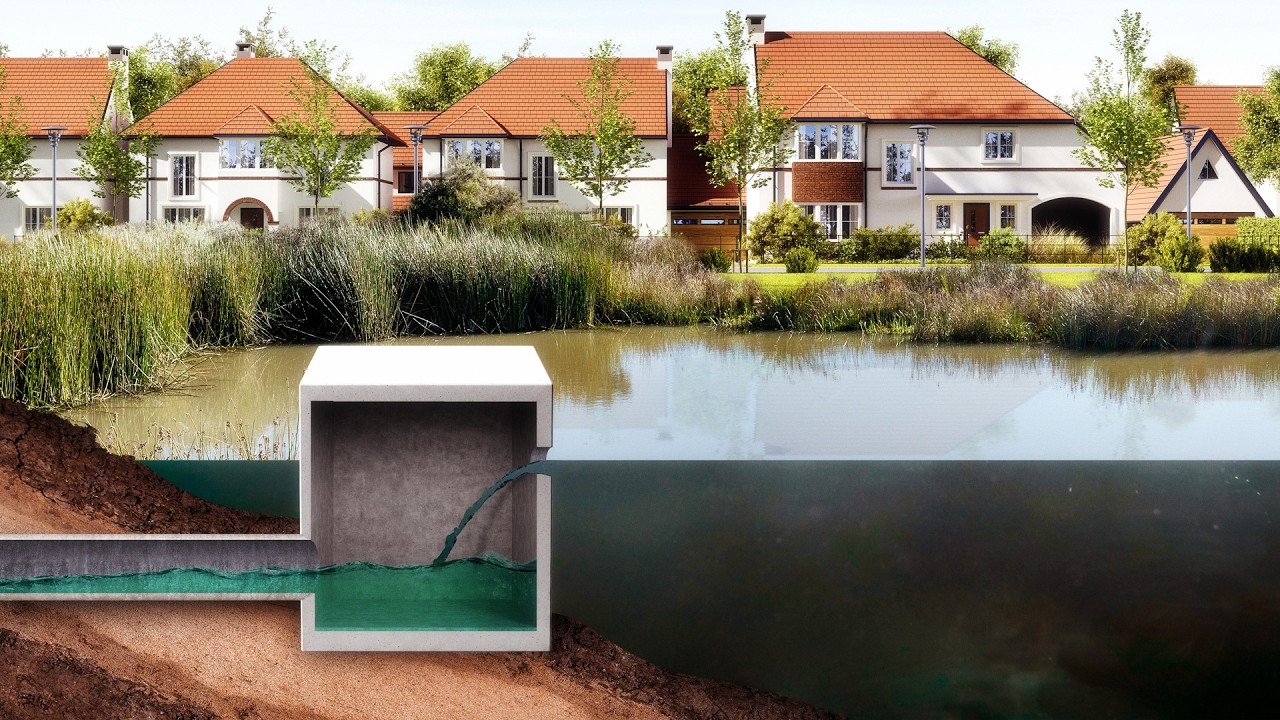
An overview of fuse plug and fusible gate spillways
⚙️ Check out SendCutSend for custom parts fabricated from your CAD: http://sendcutsend.com/practicalengineering
Most of the largest dams in the world have gated spillways with whole teams of staff dedicated to their operation. But it’s still a challenge, especially for small owners like cities. So there is another option, kind of in between controlled and uncontrolled spillways, and its use is growing worldwide.
Watch this video ad-free on Nebula: https://nebula.tv/videos/practical-engineering-spillways-that-fail-on-purpose
Signed copies of my book (plus other cool stuff) are available here: https://store.practical.engineering/
Practical Engineering is a YouTube channel about infrastructure and the human-made world around us. It is hosted, written, and produced by Grady Hillhouse. We have new videos posted regularly, so please subscribe for updates. If you enjoyed the video, hit that ‘like’ button, give us a comment, or watch another of our videos!
CONNECT WITH ME
____________________________________
Website: http://practical.engineering
Twitter: https://twitter.com/HillhouseGrady
Instagram: https://www.instagram.com/practicalengineering
Reddit: https://www.reddit.com/r/PracticalEngineering
Facebook: https://www.facebook.com/PracticalEngineerGrady
Patreon: http://patreon.com/PracticalEngineering
SPONSORSHIP INQUIRIES
____________________________________
Please email my agent at practicalengineering@standard.tv
DISCLAIMER
____________________________________
This is not engineering advice. Everything here is for informational and entertainment purposes only. Contact an engineer licensed to practice in your area if you need professional advice or services. All non-licensed clips used for fair use commentary, criticism, and educational purposes.
SPECIAL THANKS
____________________________________
This video is sponsored by SendCutSend.
Stock video and imagery provided by Getty Images, Shutterstock, Pond5, and Videoblocks.
Video by Grady Hillhouse
Edited by Wesley Crump
Produced by Ralph Crewe
Graphics by Nebula Studios
MUSIC CREDITS
____________________________________
Addicted To Me from Epidemic Sound
Practical Engineering Theme composed by Caleb Winters (https://beacons.ai/calebwinters)
Tapped Out from Epidemic Sound
Water and Light composed by Caleb Winters (https://beacons.ai/calebwinters)
Building Blocks from Epidemic Sound
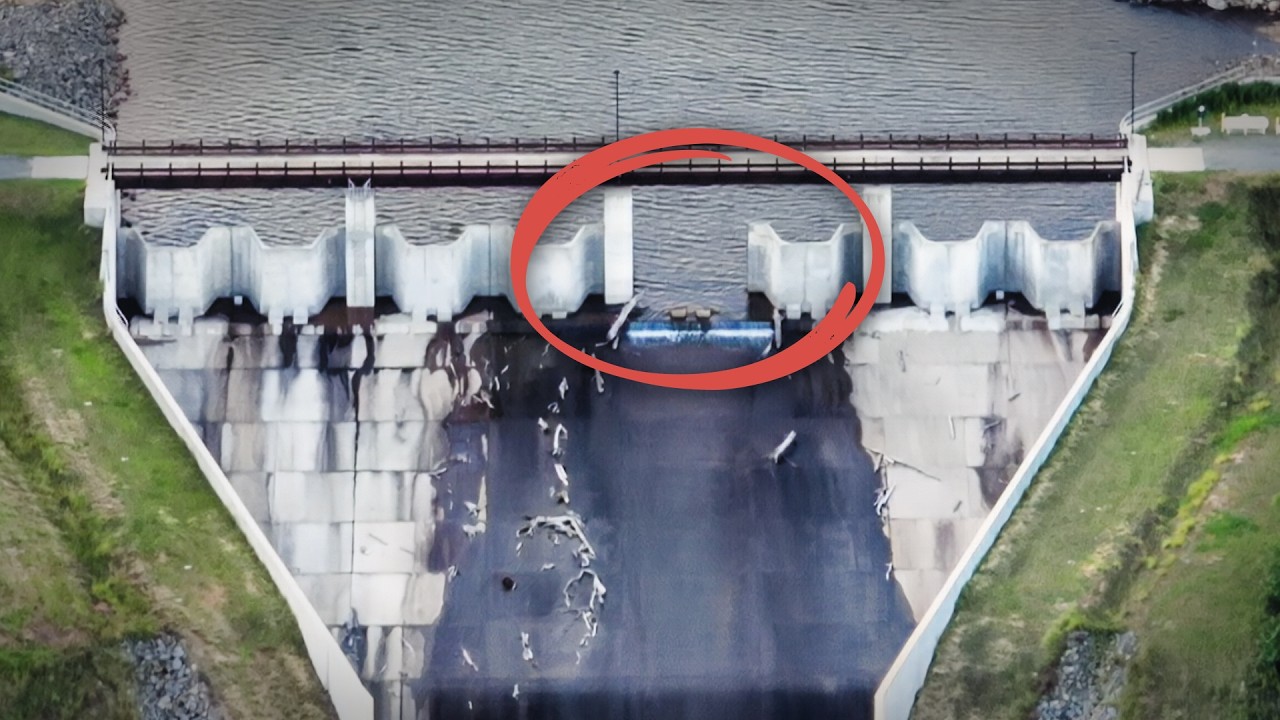
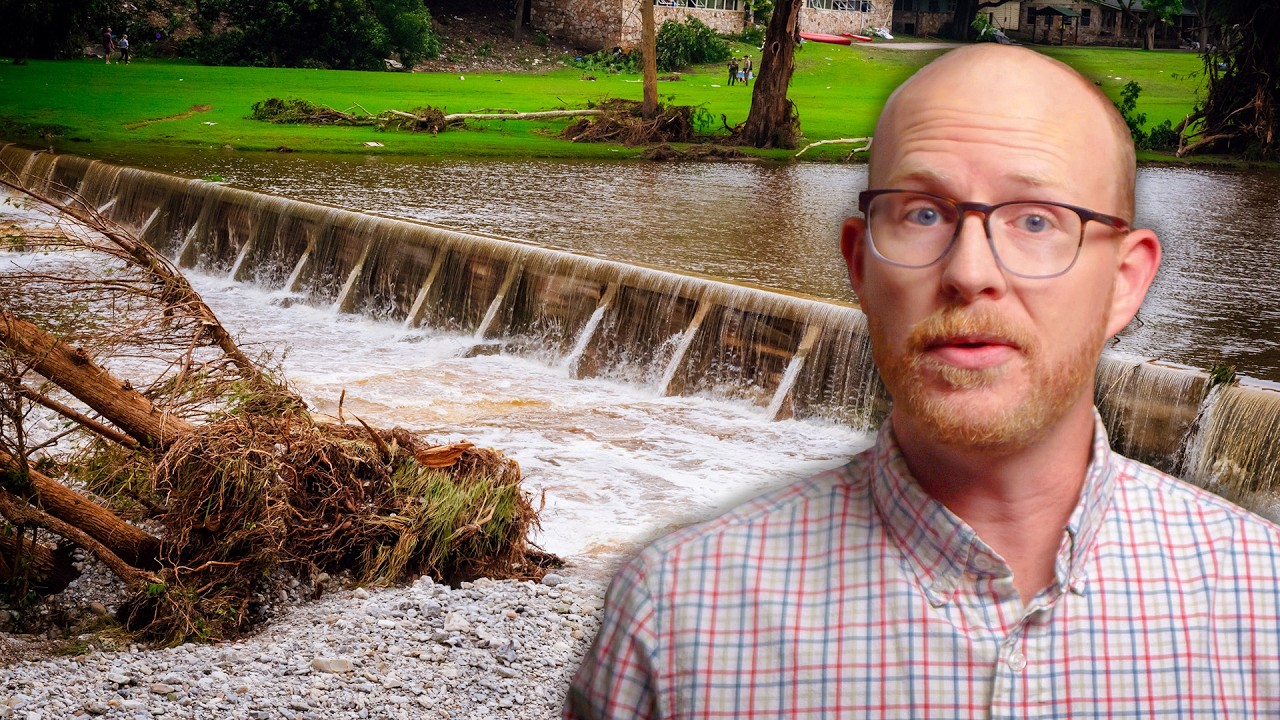
Hurricane Helene was one of the more unusual tropical storms to hit the United States. In late September 2024, it made landfall on the gulf coast of Florida as a Category 4 hurricane. We’re used to seeing storm damage on the coast from hurricanes, but this time the worst damage was hundreds of miles inland. As Helene tracked northward across the Appalachian Mountains, it dropped a deluge of rainfall, swelling rivers, destroying buildings, washing away bridges, and ultimately causing more than 250 deaths in the US. Places normally immune to tropical storms faced flooding worse than anything in recorded history, with some areas receiving more than three feet (or 900 millimeters) of precipitation. The worst of the rain was in a narrow band centered roughly on Asheville, North Carolina. Asheville’s primary source of water is the North Fork Reservoir northeast of the city. Built in the early 1950s, North Fork Dam impounds a relatively pristine portion of the Swananoa River. After some earlier major floods and six decades of service life, the dam was starting to show its age, so the City of Asheville embarked on a major rehabilitation project. The project included a new auxiliary spillway to help manage floods and make the dam safer under newer state regulations. It was finished in October 2021, and three years later, nearly to the day, Hurricane Helene hit the region. When it did, a part of that brand new spillway blew out, tumbling down the chute, unleashing a torrent of reservoir water downstream. In other words, it worked exactly like it was designed. I’m Grady, and this is Practical Engineering. Nearly every dam has a spillway for a pretty simple reason: every once in a while, a big storm comes along. In most cases, it doesn’t make sense to build a dam tall enough to absorb a once-in-a-lifetime flood, and then keep that storage volume empty until one comes. It’s not a good use of resources. Even dams designed explicitly for flood control that intentionally keep some or all of the reservoir empty in anticipation of heavy rain usually aren’t intended to store the largest of floods entirely. Instead, we use spillways to discharge that water in a safe and controlled way so that it doesn’t overtop the dam or cause damage to the structure. I’ve done a bunch of videos about spillways if you want to learn more after this. One of the most fundamental decisions when it comes to designing a spillway is whether to include gates. The vast majority of dams around the world use uncontrolled spillways, meaning there’s no way to make adjustments in real time. Usually, some kind of weir sets the elevation where the spillway engages and water naturally flows through. Depending on the configuration of the dam and the type of spillway, this might be the normal water level where the reservoir sits when it’s full. Other dams have auxiliary spillways that don’t engage until a higher level. In either case, once the water reaches the crest of the weir, it flows over. A chute controls and directs the flow down, and often a special pool or structure called a stilling basin helps dissipate the energy in the water, making it less erosive as it transitions into a natural channel downstream. Most spillways are designed according to a simulated extreme storm called the design flood. In many cases, it’s the Probable Maximum Flood, essentially the most extreme inflow that we think is meteorologically possible. The flow through a spillway is proportional both to its width and the height of the water, called the “head” by engineers. So there are some tradeoffs here. For a given design flood, a smaller spillway means the reservoir is going to rise higher as the water builds up waiting to get out. This difference between the reservoir’s normal operating level and the maximum level during the design storm is called the flood surcharge storage. So, on top of the height you need to store the normal water in the reservoir, you also need extra height up to the top of the surcharge storage, plus usually some additional margin for waves. If you widen the spillway, you can get more water out quickly, decreasing the height of the surcharge pool and reducing the need for a taller dam. Smaller spillway, taller dam. Wider spillway, smaller dam. Both have costs, so it’s an engineering balancing act. But with an uncontrolled spillway, there’s no human intervention needed at all. The spillway discharges water when the reservoir reaches a certain elevation, and that’s it. There’s a fixed relationship between the reservoir level and the discharge rate, called the spillway’s rating curve. But sometimes you need more flexibility than that. Adding gates doesn’t increase the width of a spillway, but it can change that second part of
Segment 2 (05:00 - 10:00)
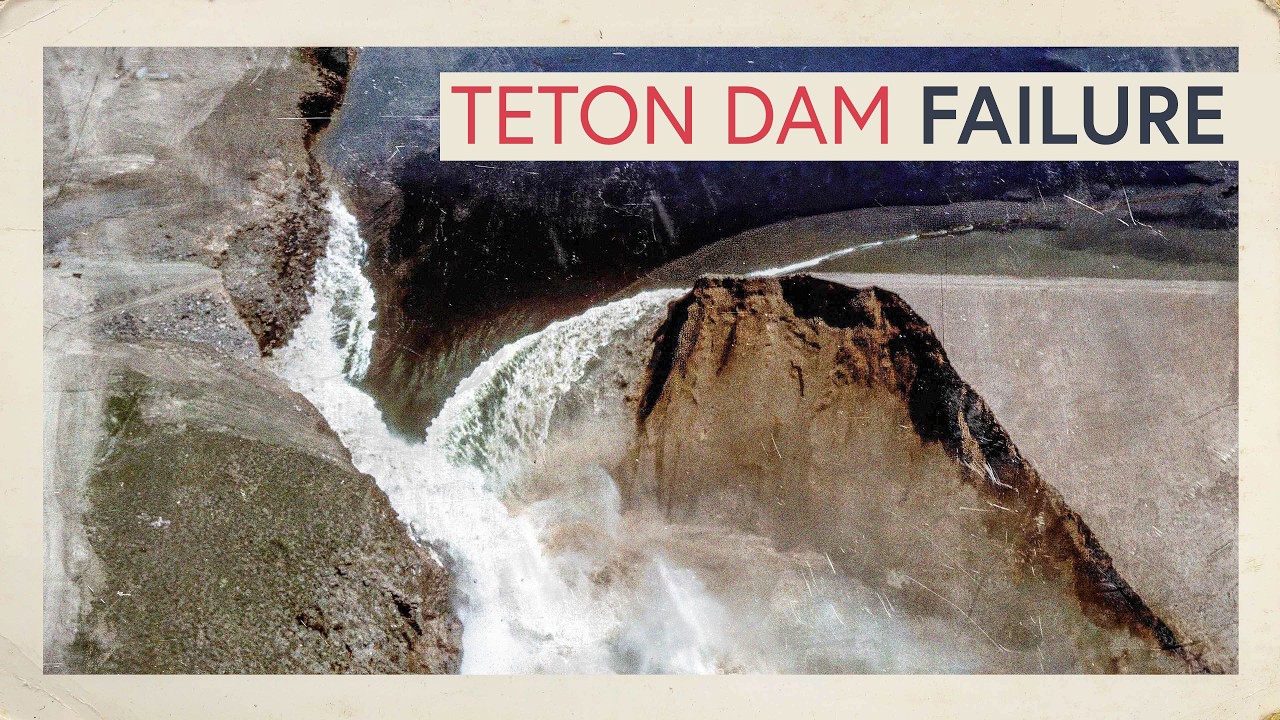
the equation: the head. And it really only makes sense for reservoirs designed to hold a permanent pool of water, usually for irrigation or water supply. Obviously, with an uncontrolled spillway, you have to choose a crest height above the level of that permanent pool or you would just lose all your water. You can only use the height above the crest to drive that water through the spillway. Not true if you have gates. Opening a gate instantly gets you a lot more head above the spillway crest, providing greater flow. That means, for a given design storm, a gated structure can be a lot narrower. You don’t need to rely on width to get the water out. Of course, the gates are an added expense, but there are situations where that cost is offset by the reduced width of the spillway. Plus you have a lot more flexibility. Discharge is no longer fixed to the level of the reservoir. You can adjust releases based on season or downstream conditions or even forecasted inflows, providing greater control. Those gates don’t only add to a project’s overall cost; they also add to the complexity. You have moving parts, which means more wear and tear and more maintenance. Gates rely on hoists or hydraulics, seals, gearboxes, and other specialized equipment where knowledge and replacement parts aren’t always readily available. The other thing is: they need someone to open them when a storm comes. There are plenty of spillways equipped with some level of automation, but in general you want a real human brain in the decision tree. Remember that spillways are a critical safety feature of a dam. The whole purpose is to protect the structure so it doesn’t breach during a flood, the consequences of which can be catastrophic. On the other side of that coin, opening floodgates can be dangerous to people and property downstream. Dams with gated spillways usually have elaborate systems to warn people when making releases, including lights, sirens, and sometimes even emergency alerts sent to cell phones. A gate opening when it shouldn’t can be almost as bad as one not opening when it should have. There are risks on both sides. That means nearly all gated spillways require someone to be on call 24/7/365 to make sure operations go to plan. It means checking the weather forecasts every day, testing gates regularly to make sure they stay operable, and having staff available mornings, nights, weekends, and holidays in case of a storm. It is a major obligation, especially when you consider the decades or centuries-long lifetimes of these structures. There cannot be a single day when someone isn’t available to handle a flood. For large organizations, like federal agencies or water districts, it’s definitely doable. Most of the largest dams in the world have gated spillways with whole teams of staff dedicated to their operation. But it’s still a challenge, especially for small owners like cities. So there is another option, kind of in between controlled and uncontrolled spillways, and its use is growing worldwide. Behold, a fuse plug spillway. Let me put some water in this flume and show you how this works… You can see water builds up on the upstream side, but none is released yet. As soon as the water rises above the plug, things happen pretty quickly. The overtopping water erodes the fuse plug down, quickly washing it away and opening up a much larger area for the water to flow. It’s basically a floodgate made of dirt. Obviously, in my little demo, there’s not really a reservoir, so the water level drops pretty quickly back down. But you can imagine if there was a larger volume of water to release, the difference in flow rate before and after the fuse plug washed out would be pretty dramatic. It’s funny because this is exactly what you don’t want to happen at an embankment dam. Overtopping is basically a worst-case scenario precisely because of how that erosion can cut through an embankment so quickly. But that erosive force can be used in a beneficial way on a spillway. It’s a little crude, but the advantages are obvious. You don’t need a person on site to operate gates, and there are no moving parts. Plus, maintenance for an earthen structure is a lot simpler than for mechanical and electrical components. Just like an electrical fuse is a small section of wire that fails before the main wiring fails, the fuse gate is like a mini-dam that fails before the big dam is at risk. Of course, this takes some pretty careful engineering. The materials you use for a fuse plug have to be both sufficiently durable - able to consistently hold water back for non-overtopping reservoir levels - but also relatively erodible so that they will wash out in a predictable and controlled way when called upon to function. Usually, this means a zoned embankment, where part of the structure is pre-weakened using erodible materials like sands, silts, or fine gravel. Many fuse plugs include a pilot channel or notch to give the
Segment 3 (10:00 - 15:00)
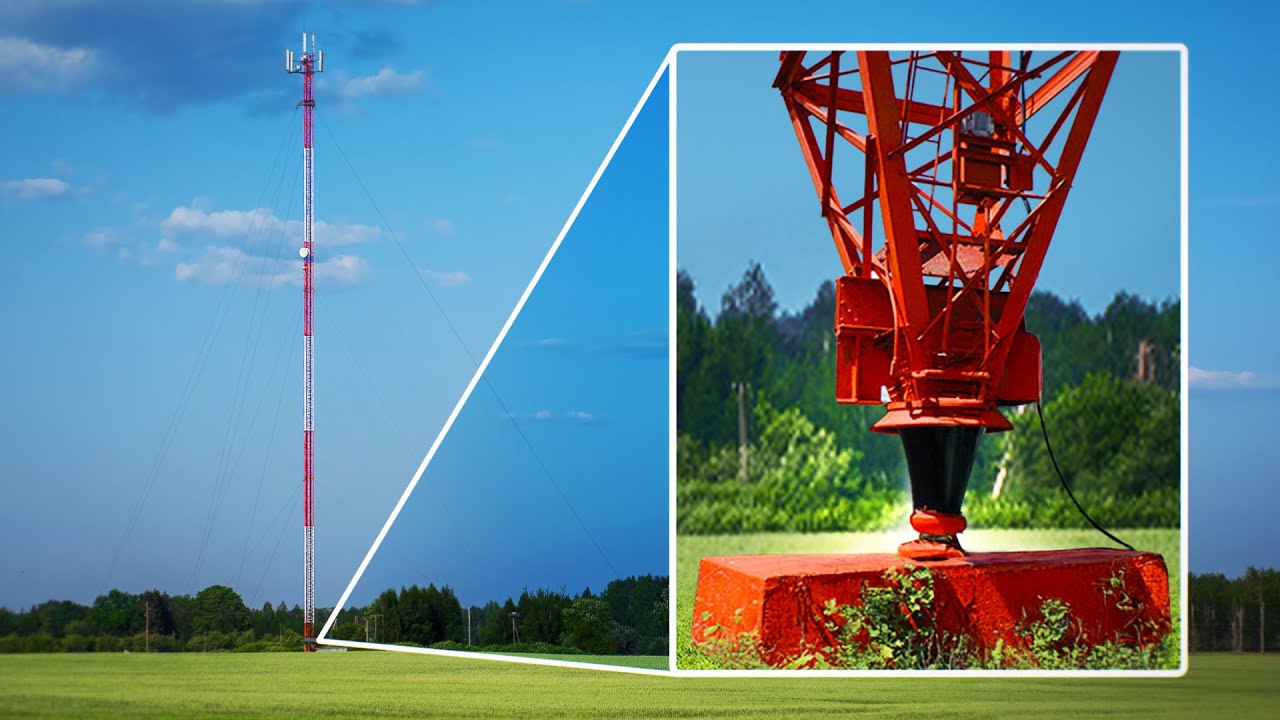
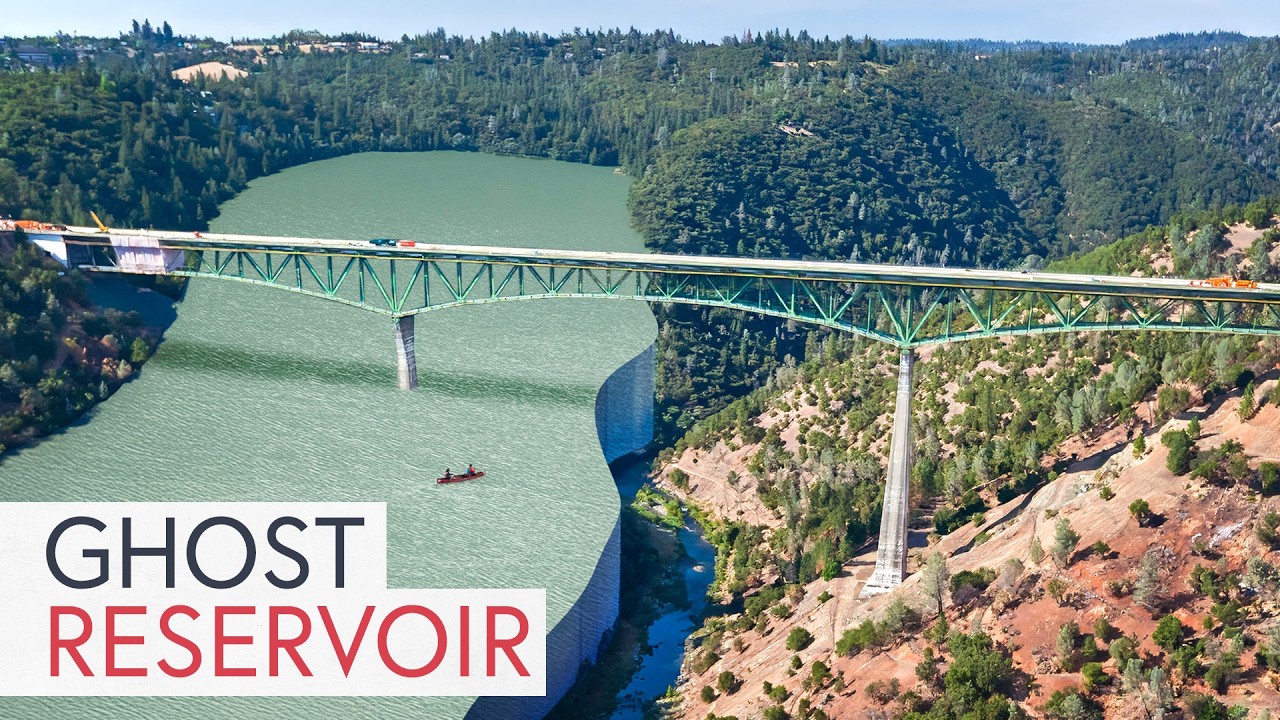
erosion a head start. So you tune both the materials and the geometry of the fuse plug so it performs as intended. And these are used in quite a few dams. One of the most famous examples is at Warragamba Dam in Australia that provides the primary source of water for Sydney. You can see that the service spillway in the center of the dam still uses gates to control more frequent, lower magnitude floods. But each bay of the auxiliary spillway is equipped with a fuse plug of earth and rock fill. The crests of each plug are staged so they don’t all wash away at the same time. As the reservoir gets closer and closer to the top of the dam, more of the bays will open up to increase the discharge capacity of the spillway. But these structures aren’t foolproof. In 2003, the fuse plug spillway failed at Silver Lake Basin, a reservoir in a remote part of Michigan’s Upper Peninsula. No one was hurt, but the event prompted the evacuation of nearly 2000 residents. Bridges were washed out, and the failure inflicted millions of dollars of damage to the areas downstream. When the fuse plug overtopped, it eroded down as designed, but the erosion didn’t stop. The foundation soil was just as erodible, if not more, than the fuse plug, and water continued to cut downward until most of the lake had drained out. It’s a good case study in why engineers only use soil erosion as a failsafe measure in limited situations. It’s hard to predict and hard to control. So there’s a similar solution to this kind of fusible spillway that avoids it altogether. I’ve removed the fuse plug in my demo and replaced it with something a little more elaborate. I mounted a sliding bracket on the side of the flume now. On one side is a float, and on the other is a little arm. And I have a crest gate mounted to the bottom. Let me get this set up and turn on the water. You can see just like the fuse plug, this holds back the water when the reservoir comes up. And actually, this gate can allow water over the top as it gets higher. But at a certain point, my mechanism slides up (pushed by the float), and the arm clears the top of the gate. When it does, the gate folds down, quickly opening up the spillway for a lot more flow. This has a major benefit over fuse plugs in that it can release some water before it fully opens. The gate basically acts like an uncontrolled spillway until the reservoir reaches the literal tipping point. It’s not an all-or-nothing thing like the fuse plug. The other benefit here is control. I can adjust the float or the arm to change the exact point when this gate opens, unlike an erodible structure that has some inherent uncertainty around the amount and the duration of flow required to wash it out. But you might be thinking: “Grady, this is a mechanical system with a sliding bearing and moving parts. ” And you’d be exactly right. You’re not likely to find a system exactly like this installed on a dam. It’s not even that reliable in my model, to be honest, so I wouldn’t trust it at full scale. I’m just using it to show the fundamental advantages because all of the fusible concrete spillways that I know of around the world use a proprietary system called Fusegates developed by the company, Hydroplus. I didn’t want to step on any of their patents by building a model in my garage, but the way they work is pretty clever. Fusegates are concrete structures set on top of a platform with a chamber built into the bottom. An inlet connects the chamber to a prescribed elevation above the gate. When the reservoir reaches that target elevation, water flows into the chamber, pressurizing it just enough that the gate loses stability and tips downstream. The benefits are the same as my demo: namely, that you can discharge water before the gate washes out, and the precise control you get over when the gate tips. A lot of dams around the world have been equipped with Fusegates. In the US, a few high-profile projects include (of course) the North Fork Dam in Asheville, Canton Dam in Oklahoma, and Terminus Dam that holds back Lake Kaweah in California. One important application of both fuse plugs and Fusegates is extending the life of an existing reservoir. I’ve talked about sedimentation in a previous video, where a reservoir gradually loses storage as it fills up with silt and sand transported from upstream. There are no easy fixes, and there are plenty of cases where dams have to be decommissioned or removed because they just don’t have enough storage anymore. For dams that use uncontrolled spillways, the volume typically reserved for flood surcharge above the spillway crest is kind of an untapped resource. So, there are projects where a fuse plug or similar-type spillway is retrofitted onto an existing dam to gain more storage without sacrificing spillway capacity. In some cases, this can save millions of dollars associated with decommissioning
Segment 4 (15:00 - 19:00)
a dam and developing an alternative source of water. But there are some downsides too. When a fuse plug or tipping spillway activates, it’s a major endeavor to put it back. Unlike a gate that you just close after the flood is over, replacing a fusible spillway is a construction project, which brings along all kinds of complications, like hiring an engineer, procuring a contractor, significant expenses, and a lot of time. The time is important because, until it’s replaced, you’ve lost a lot of storage in your reservoir. The other disadvantage to these systems is also what makes them useful in the first place: there’s no human control. It does make them safer; it also means that there may be little warning when they activate. In places with a lot of development downstream, that’s a big deal, because dramatic and sudden increases in water levels are dangerous. That’s why these systems usually break up the fusible structures into stages that give way at different reservoir levels, smoothing out the changes in flow as a flood passes through. But even then, it can still cause problems. North Carolina came face-to-face with the issue when Hurricane Helene hit in 2024. A major impetus for the new auxiliary spillway at North Fork Dam was a previous storm, Hurricane Frances. Flows through the old spillways washed out key pipelines that carry water from the treatment plant at the dam into Asheville. In response, the city built a new bypass line to provide redundancy against failures. When Hurricane Helene hit and tipped one of the Fusegates at the auxiliary spillway, the surge eroded the channel downstream, taking out not just the original transmission lines but the bypass line too. So, somewhat ironically, the flood left major parts of the city without water for weeks. The water crisis in Asheville was just one of the problems caused by Hurricane Helene along its path. But I think it’s important to recognize the tragedies that didn’t happen too, one of those being that North Fork Dam was never in any danger of breaching. Despite the incredible rainfall, and despite the fact that there was no way to control releases, the flood passed through exactly as designed. The fusible spillway tipped just when it was supposed to, allowing more discharge during an extreme event, and no one had to be there to push a button. You may have noticed that this funny little bracket I made to automatically release my floodgate is a little more professional-looking than most of my demos. That’s because I didn’t fabricate it myself. It came from today’s sponsor, Send Cut Send. And, actually, I’ve been using them a lot over the past year or so for a lot of the demonstrations I build on the channel. I could buy sheet material and cut all this out myself, and I’ve done so much of that, but just look at this. An entire idea from my head shipped to my door. The quality’s better, the cuts are way more precise than I would make, and I don’t have a day's worth of measuring, cutting, and cleaning up to do. They have a huge catalog of materials they can cut, bend, countersink, and tap, so the limit is practically what you can dream up and put into CAD. Parts are made in the USA and usually out the door in a few days, which makes rapid prototyping a dream. They just started offering CNC machining, so I’m going to have to try that out soon. I can’t recommend Send Cut Send enough. If you have projects that use sheet goods, the link below is going to give you a discount on your first order. I really appreciate their support, and I hope you give them a try. Thank you for watching, and let me know what you think.