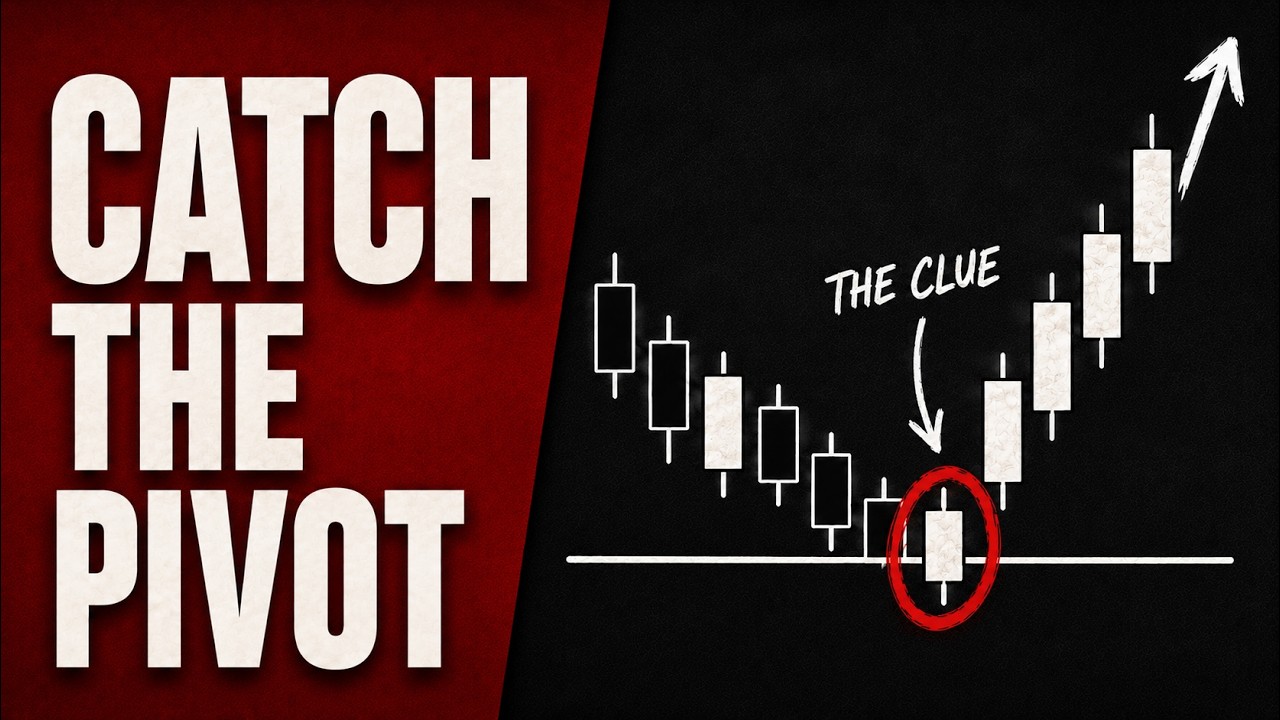
This Pivot Point Trading Strategy Hits 2.7R When You Day Trade
13:49

This Pivot Point Trading Strategy Hits 2.7R When You Day Trade

The Secret Mindset 03.06.2026 6 457 просмотров 313 лайков

Machine-readable: Markdown · JSON API · Site index

Поделиться Telegram VK Бот
Транскрипт Скачать .md
Анализ с AI
Описание видео
This pivot point trading strategy averages 2.7R per trade. Discover how to day trade with CPR pivot points, using 2 simple rules. We break down a mechanical CPR pivot point trading strategy designed to filter out the noise and only enter when price action aligns with key daily levels. Instead of guessing where the market will reverse or break out, we use standard pivot points to map out the structure before the bell rings. You will learn how to identify the correct pivot levels, wait for the morning liquidity sweep, and execute with a strict risk-to-reward ratio. This is a pure rule-based system. No guessing, no complex indicators, just pure price action reacting to objective mathematical levels. ➖ ➖ ➖ ➖ ➖ ➖ ➖ ➖ ➖ ➖ ➖ ➖ ➖ ➖ ➖ ➖ ➖ ➖ ✅ Join TSM Academy: https://thesecretmindset.podia.com/academy ✅ Trade Directly In TradingView With BlackBull Markets: https://go.blackbull.com/visit/?bta=35247&brand=blackbull ✅ Best Trading Software: https://thesecretmindset.com/tools ➖ ➖ ➖ ➖ ➖ ➖ ➖ ➖ ➖ ➖ ➖ ➖ ➖ ➖ ➖ ➖ ➖ ➖ ▶ BEST Trading Courses For Beginners https://www.youtube.com/playlist?list=PLXWi52aRZnNHQltY8Yx_9dWyjLb-3X-_e ▶ Smart Money Concept & SMC Trading Strategy https://www.youtube.com/playlist?list=PLXWi52aRZnNEenm94OvraMdq90_7uj5wo ▶ Price Action Trading Strategies https://www.youtube.com/playlist?list=PLXWi52aRZnNHkXSeG7E213pkSDayGp0HD ➖ ➖ ➖ ➖ ➖ ➖ ➖ ➖ ➖ ➖ ➖ ➖ ➖ ➖ ➖ ➖ ➖ ➖ RISK DISCLAIMER: This content is for educational purposes only. It is not financial, legal, or tax advice. Trading involves a high level of risk and is not suitable for all investors. Past performance is not indicative of future results. You are solely responsible for any investment decisions you make. Before investing, consult a licensed professional. We assume no liability for your trading and investment results. AFFILIATE DISCLOSURE: Some links may be affiliates. If you purchase through them, we may earn a commission at no extra cost to you. We only recommend products we have vetted and believe will provide value.
Оглавление (3 сегментов)

Segment 1 (00:00 - 05:00)

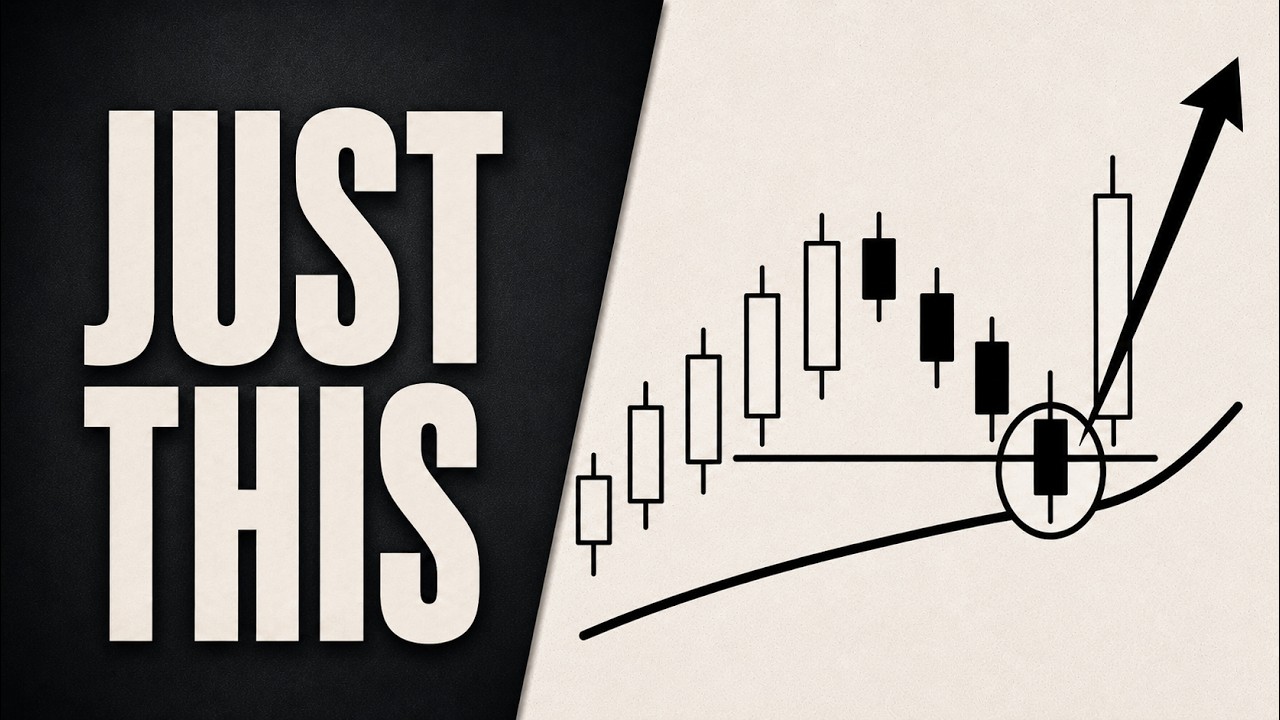
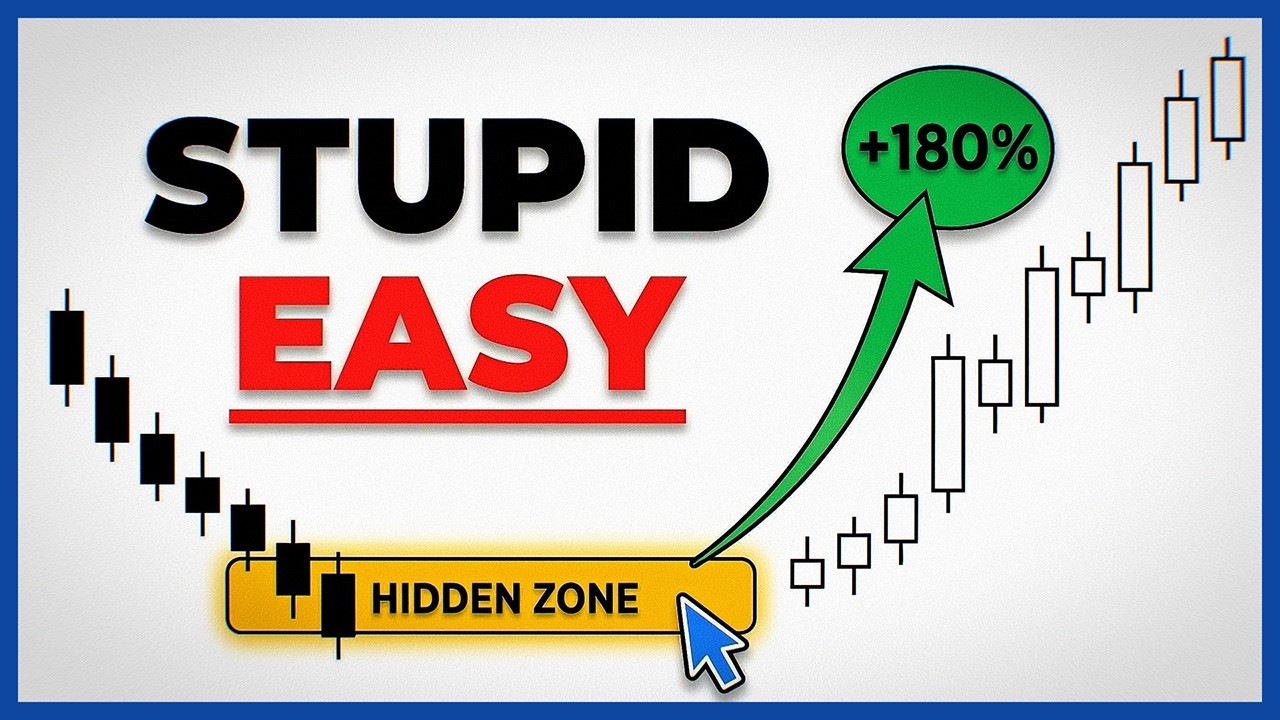
You see this zone right here? I didn't draw it. It appeared on my chart automatically before the market even opened. Price drops into it, prints one candle, and rips 100 pips in a single direction. That's a pivot point strategy that took me 10 minutes to set up that morning. One check told me the direction. One rule told me whether the day was even worth trading. And there's one version of this level when it hasn't been touched for days that produces the cleanest moves I've ever seen. Watch what happens when I trade it. Here's yesterday's chart. First thing I check is today's pivot range sitting higher or lower than yesterday's. It's higher. That tells me one thing. I'm only looking for buys today. That decision took 5 seconds. Next, how wide is the range? See this? It's wide. That means when price pulls back to this zone, it's going to find real support. Price opens, pushes up, then pulls back right into the range. I also see one moving average sitting in the same area. Two levels stacking at the same price. Price touches, prints this rejection candle, and I enter long. Stop below the range. Target, the next swing high, right here. Hit the next day. 30 minutes of morning analysis, one trade, done for the day. Think of this pivot range like a weather forecast for your trading day. Before you step outside, you check the weather and dress accordingly. This range does the same thing for the market. Is it higher than yesterday? Sunny, you buy the dips. Lower than yesterday, storm coming, you sell the rallies. Wide range means strong shelter. Price bounces off it. Narrow range means no shelter. Expect a big move in one direction. You check it once in the morning, then you know exactly what to do for the rest of the day. And the entire morning check takes about 30 seconds. Here's exactly what I'm scanning for. I used to sit in front of my charts for 3 hours before placing a single trade, analyzing, second-guessing, drawing levels I'd erase 10 minutes later. Then I found the central pivot range, three lines calculated from yesterday's high, low, and close. They appear on your chart before the first candle even prints. They don't repaint. They don't lag. They don't change when you switch time frames, unlike most indicators. Here's the only question I ask every morning. Is today's range higher or lower than yesterday? If it's higher, that's a short-term uptrend. I only look for buys. Lower means short-term downtrend. sells. If the range is higher for 3, 4 days in a row, even stronger, the trend is confirmed. I call this the morning compass. One glance, one direction, no debate. But direction alone won't make you profitable. Otherwise, every trader with a trend arrow would be on a yacht. What makes this range dangerous is its width. Pay attention to this. The width of the pivot range changes every single day, and it tells you exactly what kind of day is coming. Wide range, that zone is a wall. I've watched price slam into a wide pivot range and reverse like it walked into a glass door. Strong support, strong resistance. But wide range days tend to chop. Price bounces between levels. Expect ranges, not runaway trends. Narrow range, well, that's completely different animal. The zone offers almost nothing. Price cuts through it like it isn't there. But, narrow range days produce the biggest moves of the session. One directional, high momentum. Watch this. Wide range day, price pulls back, bounces hard, never breaks the zone. Now, this one. Narrow range, price slices through both sides, hunts every stop, then trends 100 pips straight down. Same indicator, completely different behavior. The width told you everything before the first candle closed. Here's the rule. If it's wide range, you trade the bounce. Narrow range, don't trust the zone. Look for breakouts instead. But, I don't want you to take my word for it. Watch this entire trade play out step-by-step. Euro Yen. The morning

Segment 2 (05:00 - 10:00)

compass, today's pivot range is lower than yesterday's. Direction, sells only. Then the width. This is a wide range, so I know when price reaches this zone, it's going to act as resistance. I'm looking for a bounce, not a breakout. I set an alert near the range and walk away. I don't need to stare at candles for 3 hours. Price rises into the zone mid-session. Watch this. Price enters the range, touches the upper boundary, and prints an outside bar. A strong candle rejecting hard. That's my signal. Short entry below the candle. Stop loss above the range. Target next swing low right here. Then price drops through the session. Target hit. One analysis in the morning, one alert, and one trade. Total screen time about 35 minutes. That's the core system working. But there's one version of this level that's even more powerful, and I've never seen another trader talk about it. Now, here's the setup most pivot traders completely miss. Sometimes, during the strong trending day, price moves so aggressively that it never touches the pivot range. Just blows right past it. Most traders forget that the range exists by the next morning. Look at this chart. Price dropped hard all day, and that pivot range up there, not one candle body touched it. Not a wick, nothing. The whole session passed, and the market never even breathed on that zone. I call it the ghost level. And here's what my backtesting revealed. Something that surprised even me. A ghost level isn't just a support or resistance area waiting to be tested. It's a momentum signal. When price spends an entire day moving away from the pivot range without ever touching it, the market is telling you something. The move was strong enough that it didn't even need to pause. Here's exactly what you're looking for on the chart. Yesterday was a strong downtrend. Price never reached its pivot range. Ghost level. Today, market opens just below it. Price continues its downtrend. A clean 100 pip drop. One more thing. Ghost levels are also strong rejection levels. Look here. Previous day leaves a ghost level. No candles inside it. Next morning, price opens below the zone and immediately moves up to test it. Touches the level and immediately reverses and drops. Now, knowing where the pivot range sits is only half the job. I learned that the hard way. Few years back, I was trading every touch of the pivot range like it was guaranteed money. And sometimes it worked. But often price slides right through the zone and I'd sit there wondering what I missed. What I missed was simple. The pivot range tells you where price might react. It doesn't tell you whether it will. You need the market to prove it before you commit. And here's how I get that proof. Before price even reaches the pivot range, I'm watching the short-term trend. If I'm looking for a buy, I want to see a downward trend line snap first. Not break gently. Snap. Sellers had control and now they've lost it. That break is the warning shot. Something just changed. Now I'm on high alert. Price then pulls back toward the pivot range. And while it's doing that, I'm checking one more thing. The 50 exponential moving average. One line. If it's sloping upward and price is above it, buyers still have momentum. If price is below a downward sloping line, sellers own the session. Here's where it gets interesting. The best setups I've ever taken, the pivot range and moving average are sitting at the exact same price. Two completely independent levels. One based on yesterday's range. One based on recent momentum. And they're stacked on top of each other. When price drops into that zone, it's not touching one wall. It's hitting two walls simultaneously. Those setups turned on a single candle. I've watched price bounce off that confluence so fast, it almost looks like a mistake on the chart. So, here's what I need to see before I enter a single trade. Trend line broken in my direction, momentum shifted, price

Segment 3 (10:00 - 13:00)

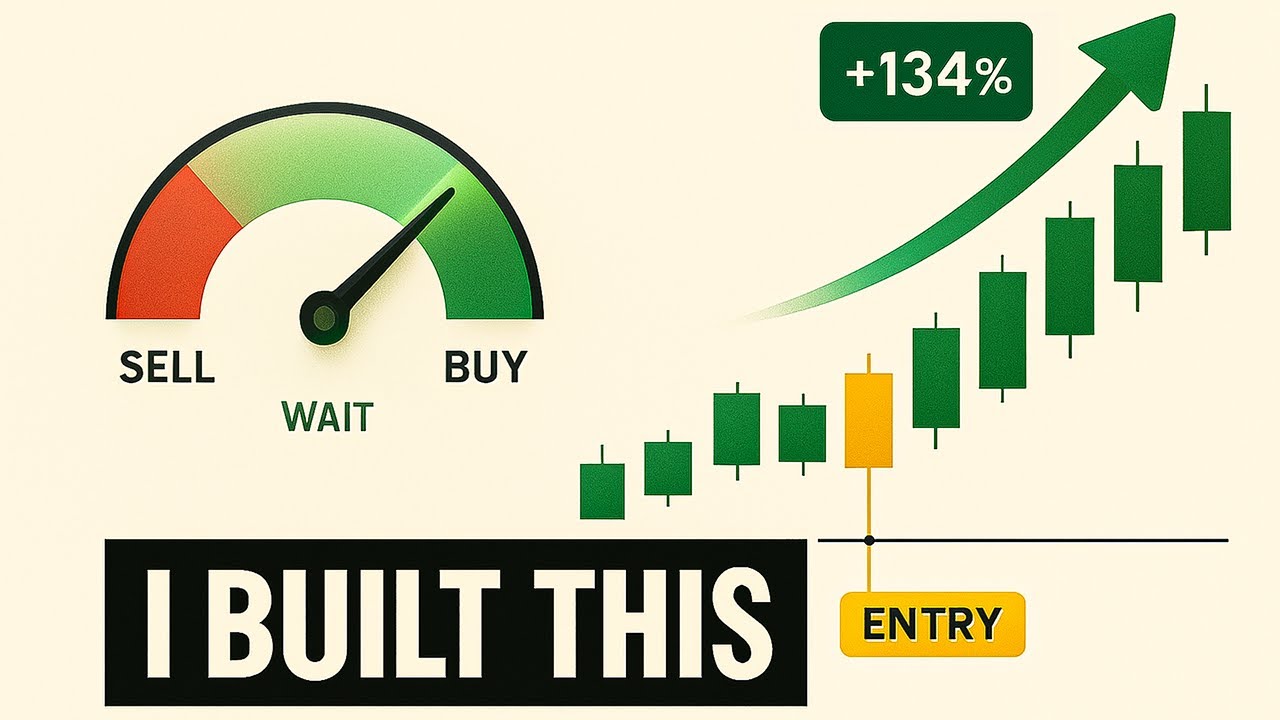
pulling back to the pivot zone, the level I've already mapped, and the moving average confirming that the bigger move is still intact. Then, I wait for the rejection candle. Pin bar, engulfing, doesn't matter. I need the candle to show me sellers tried and failed. That's my entry. Pay attention here. Morning check. Today's pivot range is lower than yesterday's. I already know I'm only shorting today. Width check. This is a wide range, which means if price gets into that zone, it's going to feel it. Strong resistance, hard to push through. And something immediately catches my eye. The 50 moving average is sitting right inside the pivot range. Not near it, inside it. Same price zone. I've got two completely independent levels stacked on top of each other. Market opens. Price pushes up into the range during the first hour. Watch this candle. It touches the upper pivot level, imprints a pin bar pointing down. Textbook rejection from two stacked levels. Short entry below the pin bar. Stop above the pivot range. Target is the next swing low. Then, I leave it alone. Now, the real test isn't one clean setup. It's whether this holds when the conditions aren't perfect. Look at this one. Morning compass pointing up. Wide range. And the moving average is sitting right inside the zone. Price pulls back during London open, touches both levels, and gives me this rejection bar. I go long, set my target at the previous swing high, and I'm done. Hit within 5 hours while I was at the gym. That's what a planned setup looks like versus a reactive one. Now, this is a ghost level trade. Price never touched this range. It's just sitting there untested. Next session opens. Price drifts down all day until it reaches the zone. And look at that rejection. Entry here. Clean rally off the level. A pivot range nobody touched is a zone that still has something to say. And this one, I didn't trade at all. Morning compass said buy, but the range was paper thin, and the moving average wasn't sitting inside it. No confluence. Just one level acting alone. Watch what happens. Price chops through both sides all day. Stops out buyers. Stops out sellers. Nobody wins except the people who stayed home. And that's a skill, too. Knowing when the setup isn't there and closing the laptop instead of forcing a trade. Quick thing. You see that dashboard at the top of my chart? That's a custom indicator that tracks every condition in this strategy automatically. Compass direction, range width, ghost level. All precalculated before the open. This tool is available inside our academy. Now, if pivot points are starting to click for you, let me know. And if enough of you want it, I'll make another video with the advanced setups, the ones where the pivot range flips mid-session and catches everyone off guard. In the meantime, I left a video right here to keep you going. And this is exactly the kind of setup we break down inside our academy. See you inside.

Другие видео автора — The Secret Mindset

Ctrl+V

Экстракт Знаний в Telegram

Экстракты и дистилляты из лучших YouTube-каналов — сразу после публикации.

Подписаться

Дайджест Экстрактов

Лучшие методички за неделю — каждый понедельник