Why I started photographing dancers
6:00

Why I started photographing dancers

The Art of Photography 20.03.2026 3 350 просмотров 249 лайков

Machine-readable: Markdown · JSON API · Site index

Поделиться Telegram VK Бот
Транскрипт Скачать .md
Анализ с AI
Описание видео
If this idea resonates with you, I’m teaching a small in-person workshop in NYC next month:https://www.tedforbes.com/dancer-2026 This project started in an unexpected place. My background is actually in music, and over time I became fascinated with the idea of counterpoint — the way independent voices interact with one another in time. Eventually, I began to see that same idea in photography. Gesture, light, and form can create a kind of visual rhythm, and nowhere is that more apparent than when working with dancers. In this video, I’m sharing the story behind how that realization led to Point Counterpoint, along with a first look at the book proof as it arrives. If these ideas resonate with you, I’m also teaching a small workshop this April in New York called Dancer as Motif, where we’ll be working with professional dancers in the studio and exploring these concepts in a hands-on way. It’s designed to be an intimate experience focused on seeing, timing, and working with gesture. I’ve included more information in the description below if you’d like to join us.
Оглавление (2 сегментов)

Segment 1 (00:00 - 05:00)

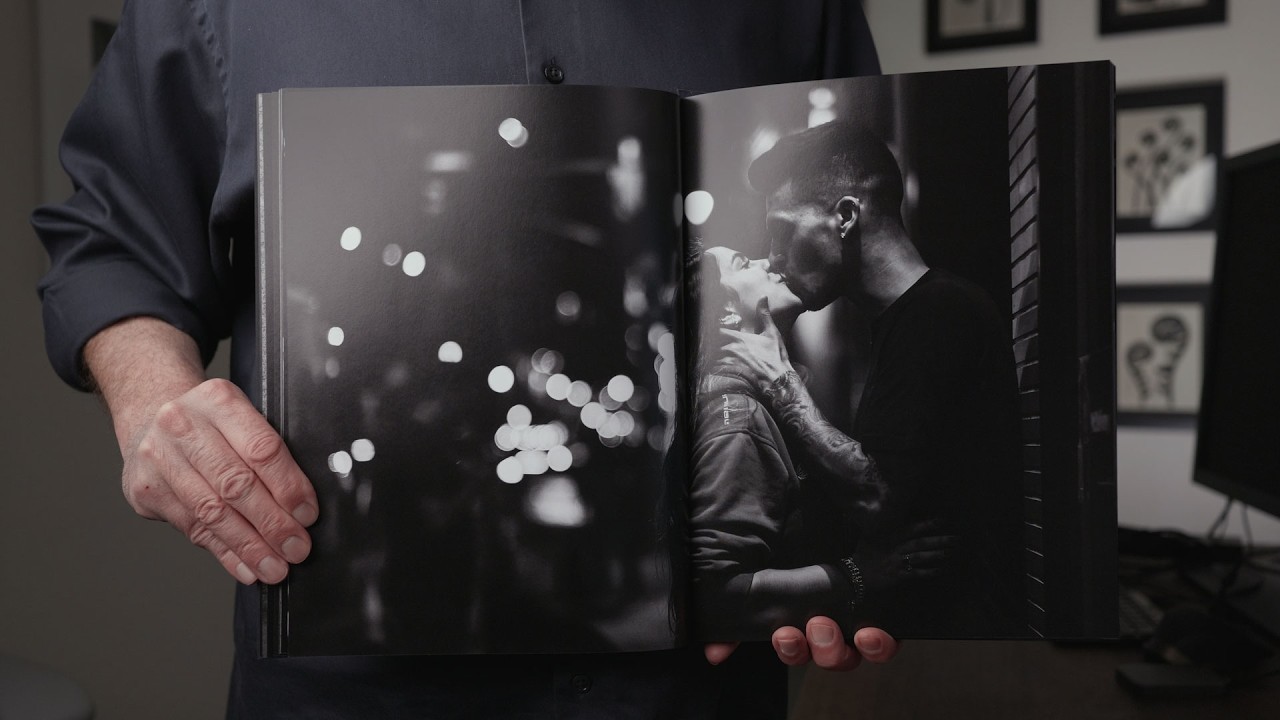
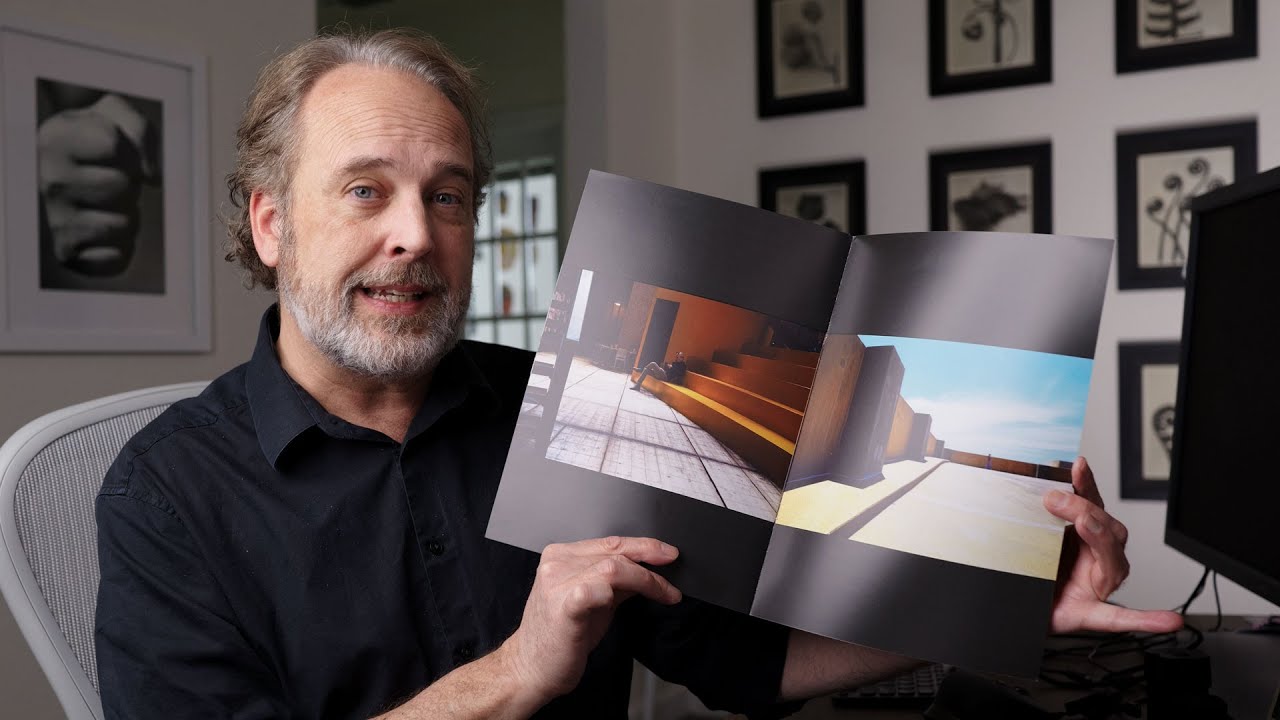
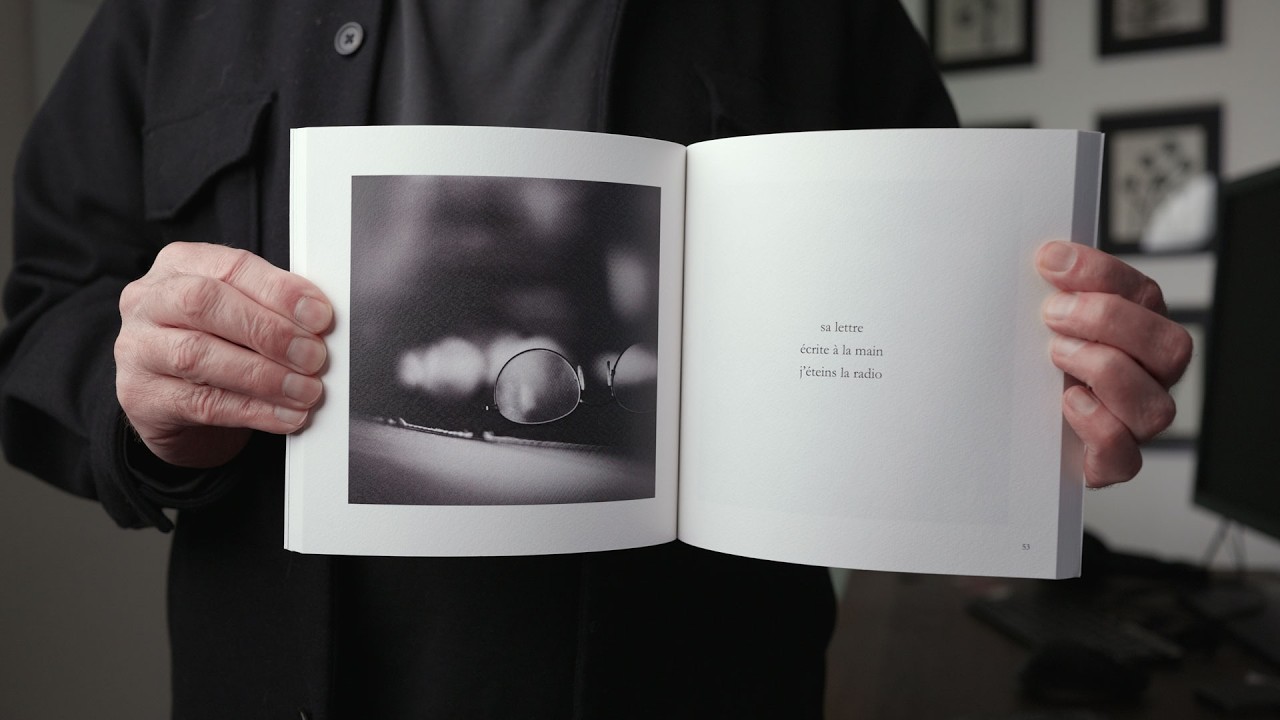
— A lot of people ask me why I started photographing dancers because that's not the type of photography that I was initially known for. Now, my formal training is actually in music and over the years that ended up influencing the way that I approach photography. Many of the ideas used in musical composition, so things like form, harmony, rhythm, counterpoint, started to look oddly familiar when I would look at photographs. Over the years I started to realize something very interesting. Those same concepts exist visually in me to start photographing dance because those ideas translate beautifully when you're interpreting the human form. At some point I realized the human body might be the perfect subject to explore these types of ideas. — Last year I put these ideas into a teaching format and we had our first dancers motif in-person workshop in New York City. It was based around these concepts and I built on it even more for the workshop that I'll be teaching again this April. One of the photographers who had an enormous impact on me, who was a huge influence, was a Japanese photographer by the name of Eikoh Hosoe. Hosoe was very active in the 1960s in Tokyo and collaborated quite a bit with a dancer by the name of Tatsumi Hijikata. Hijikata was not what we think of as a traditional dancer. He danced with an avant-garde movement called Butoh, which started up in the '60s. He and Hosoe were huge collaborators, but it wasn't the dance aspect that grabbed me with Hosoe's work. His figure studies were never really about dance or portraiture in the traditional sense. They were about the expressive possibilities in the human form itself. So you see things like line, shape, gesture, expression. You even see metaphor, which is one of the most difficult things to do in photography and Hosoe did it so beautifully. When I began photographing ballet dancers, it opened up a number of possibilities that felt very similar to musical compositional ideas. The first one I want to talk about is gesture. A dancer's gesture is a bit like a musical phrase. It has shape, direction, energy. It's extremely expressive and when you think of gesture from a dancer, like let's say the way they hold their arms, there's a lot of expressive possibilities that come from that. — Another idea is this idea of movement, the idea of suspension and resolution. This is something that musicians know very well. Music is a time-based medium and so you listen over the sequence of the time that it takes to listen to the music — and it's built up of a series of these suspensions and resolutions that occur. The same thing can actually happen visually. And I actually love this when you're dealing with pairs of images, so if we're looking at a book spread, and I love the whole idea of a dancer being able to hold moment of tension and then it's followed by release. This is completely controlled with what you want to do compositionally as a photographer. We'll get into that time-based thing in a second. Another concept that I find fascinating is the whole idea of counterpoint. Now, when we think of music, you might have a melody where one instrument is playing a line of notes and then counterpoint exists when you have multiple lines that exist together and imply harmony. And this is something that I realized when I first started shooting dance. If you're dealing with single dancers, you're just kind of dealing in a monophonic space if you want to equate this to music. As soon as we have multiple dancers and if the choreography's done really well and it's really strong, then you start to get a sense of counterpoint and you even have motifs that exist between dancers that happen at different times. It's a very beautiful thing to be able to think of visually. This comes directly from music and I love the idea of counterpoint. — Now, I mentioned the idea of music and dance being time-based mediums and that's kind of contrary to photography in a way because photography in a single image sense is about capturing a moment in time and it is simply frozen. And so somebody doesn't have to sit there for a duration to understand what the photo is. They can get it in a couple seconds or if they enjoy it, they can spend more time looking at the photograph. One of the things that I love about contemporary photography, and it actually goes back a while, but it's the idea of putting together a book. It's a very controlled sequence. You control the order of the images, what images appear together on a spread, and so way of sort of bringing that time-based medium back and this helps when we're talking about this whole idea of music as metaphor — and how that unfolds over time. This is something that we can control has actually inspired me to work on a new project that I'm doing. It's called point counterpoint. It's a book that I'm working on and it all these ideas are what I'm exploring in here, this whole idea between music and dance and how it unfolds over time, the idea of suspension and resolution, and the sequence of photographs that

Segment 2 (05:00 - 06:00)

becomes a narrative that the photographer actually controls. I am less interested in ballet photography in a traditional sense. What excites me about it is using the human form to explore a lot of these musical type of ideas. So we're talking about things like form, gesture, rhythm, counterpoint, melody, harmony, suspension, resolution. For me, this opened up a whole world of a visual vocabulary that I wasn't experimenting with before and that's what ballet photography means to me. And in many ways, this was the point of my collection point counterpoint was to explore a lot of these thematic ideas and concepts. And dance for me ended up being the perfect catalyst to explore these ideas. And one last thing, if the idea of exploring these type of ideas is appealing to you, I will be teaching my workshop in New York City, Dancers Motif, this April. I will put a link in the show description below if you want to learn more. It's on the website. And I would love to know what you guys think about all this, so feel free to drop me a comment and I will see you guys in the next video. Until then, later.

Другие видео автора — The Art of Photography

Ctrl+V

Экстракт Знаний в Telegram

Экстракты и дистилляты из лучших YouTube-каналов — сразу после публикации.

Подписаться

Дайджест Экстрактов

Лучшие методички за неделю — каждый понедельник