You can get Marrakech Face to Face here https://www.louisjay.com/books
Louis Jay is an American photographer who's documented a major project in Morocco that has roots going back almost 50 years. His portraits and street scenes taken in the Medina in Marrakech portray an intimate look and unique interpretation of the vibrant marketplace.
Louis Jay is an outstanding photographer and I was honored to interview him about this fabulous project.
Sign up to the mailing list for weekly updates https://theartofphotography.tv/list
My Adobe Lightroom and Capture One Presets https://theartofphotography.tv/presets/
AoP T-Shirts https://aop.threadless.com/
Need a website? http://squarespace.com/aop
On my channel you will find videos about photography, cinematography, post processing tutorials for Capture One, Lightroom and Photoshop, photo assignments that YOU can participate in, the Artist Series and more. The Artist Series is an ongoing set of videos I produce as documentaries on living photographers. I am extremely passionate about photography and video and my goal in making these videos is to share my passion and enthusiasm with you! Don’t forget to subscribe and make sure to hit the like button and share this video if you enjoyed it!
Ted Forbes
The Art of Photography
2830 S. Hulen, Studio 133
Fort Worth, TX 76109
US of A
Оглавление (9 сегментов)
Segment 1 (00:00 - 05:00)
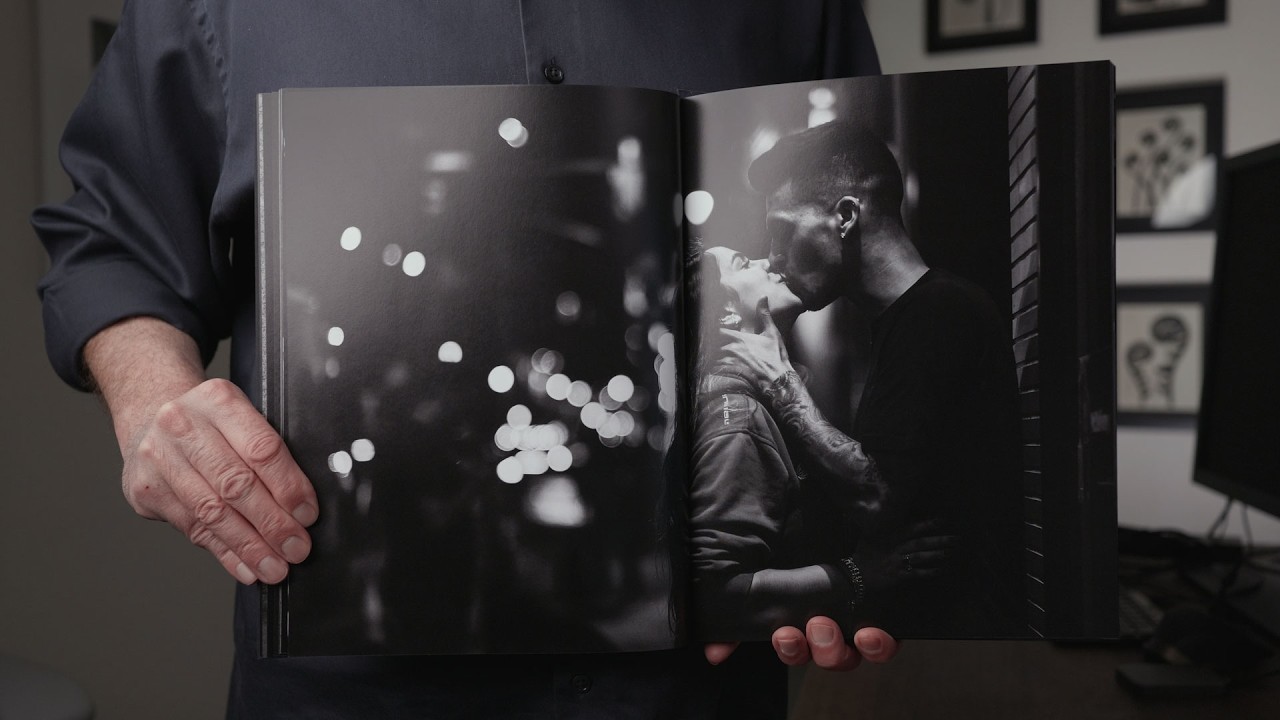
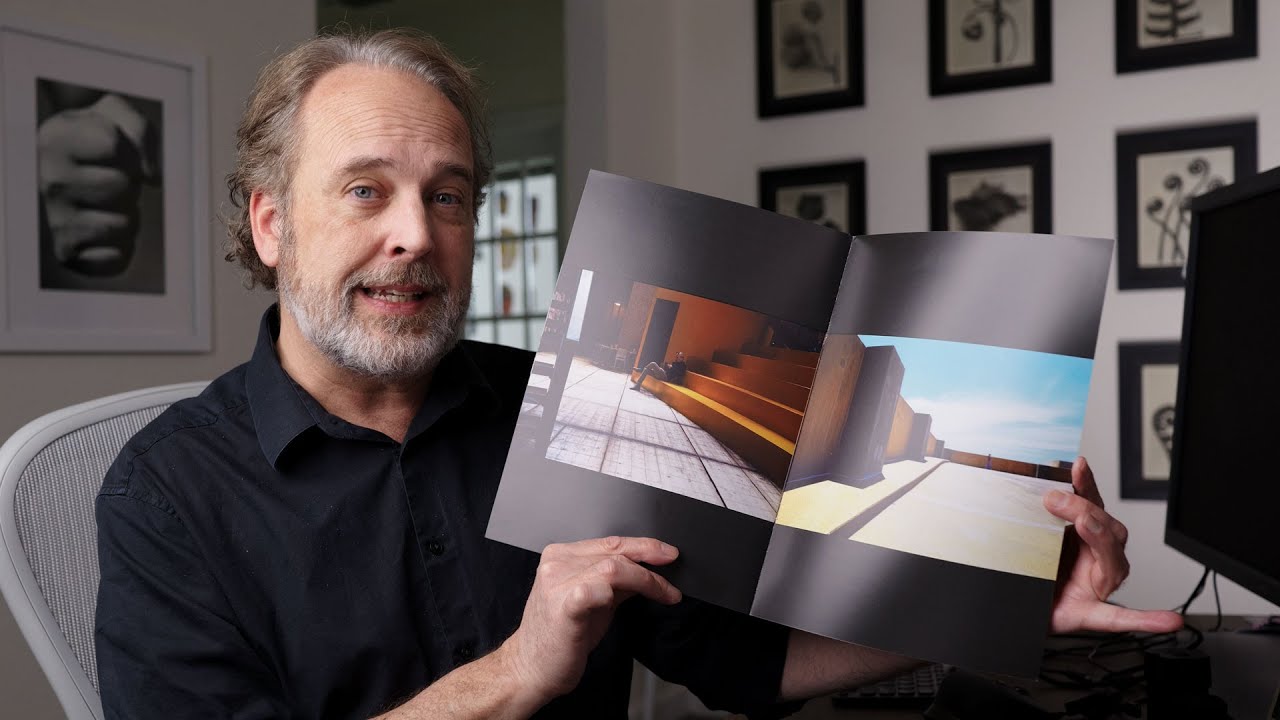
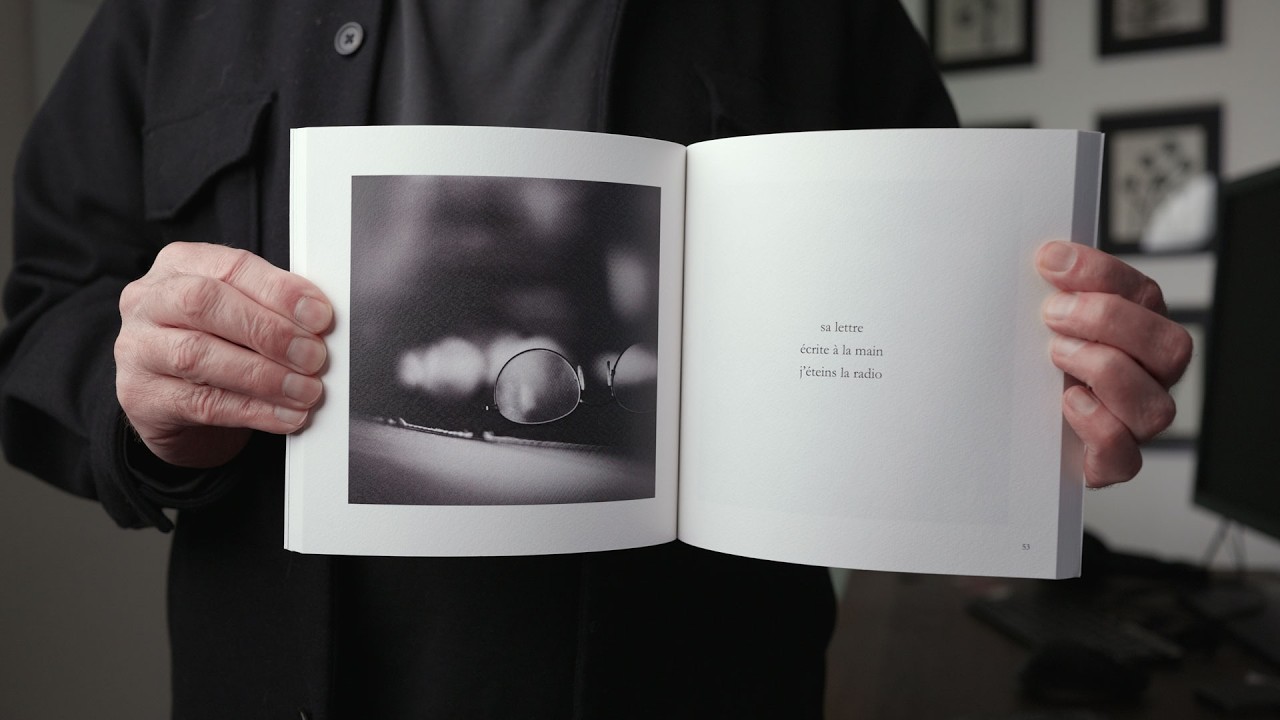
Lewis J first came to my attention back in 2018 when he sent me a copy of his book Passing Fancies. Comprised of 64 black and white photographs printed in a beautiful duo tone. The subject matter in this book spans the globe from Rio to Miami to Paris and Sicily. The book is absolutely gorgeous and Louiswis's abilities as a photographer left a major impression on me. Then a little over a year ago, Lewis sent me this collection, which is a beautiful portfolio of handmade black and white prints featuring portraits shot in Marrakesh. He printed each of these images out using the pisography process on Italian watercolor paper. It was a beautiful profile, but what I didn't know is that this portfolio is part of a much larger project being shot in Morocco that Lewis had been working on for a number of years. So he has now released the culmination of this work in this beautiful book called Marrakesh Face to Face. This was printed at Brilliant in Exon, Pennsylvania. And the book is a gorgeous quad tone featuring a forward by none other than Ralph Gibson. I had the opportunity recently to sit down with Lewis and talk to him about this project and get a little bit of behind the scenes and I hope you enjoyed this interview as much as I did doing it. So without further ado, this is Lewis J. We'll go back to the beginning on this and I want to talk about your interest in Marrakesh and how that came up. Do you want to talk a little bit about that? — Yeah, sure. Well, you know what happened was um as a young man in 1974 I was backpacking around Europe with uh my best friend uh and we were in Spain and we decided, hey, let's go to Morocco. So, we were touring Morocco and of all the amazing towns there, I mean, we're in Fez, Mechnes, uh, not Casablanca, but Tangier, uh, a lot of just incredible places, but the one place that really kind of got etched in my mind was Marrakesh. It just the people, the scenes, the architecture, the whole mood there, it just stayed with me. So uh but this happened like a year before I decided to become a photographer. I did not have a camera at this time. So a year later uh ended up studying photography in London. I bought my first Leica and M4 film camera at that time and I launched you know a whole photographic journey and almost 50 years later uh I you know my wife's French and we kept an apartment in Paris and on a trip in 2020 in 2022 uh I said you know I want to go back to Marrakesh a city that you know stayed with me all this time and this time photograph he said sure. So, uh, that's what happened. And, uh, I really in a week of solid shooting, I got such, uh, good photos in for me in my opinion that I decided, all right, well, maybe this is a project. Maybe I'll embark on a book. And what happened was while the uh process of book of editing and and design work with my graphic designer Sally and uh Ralph Gibson ended up getting involved in writing the forward which was fantastic. Uh I decided in March of this year to go back and get some more shots you know another week. So 2/3 of the photos were really done in the first trip, but that one/ird from going back really helped. I think uh I was able to pick up a lot of things that I wanted for the book like music, some of the music shots, musicians, and some other things. Um which really uh helped I helped the editing a lot, I think. Well, Lewis, one of the things that um really impressed me about the flow of the book and how it works out and it it's interesting too, I guess this is a two-part question, you know, when you're going through that process of callulling work and you have that relationship with the work and then you know you have a calling to go back. What I really love though is the pacing. It's not just a collection of portraits or it's not just this or that or street photography. It really tells a story and I like, you know, you open the book and it opens with this panoramic shot. It's got a very film vibe to it. Uh you have a background in film making, right? — Yeah. Well, I did study as a young man when I got back to New York after studying in London. I entered New York University Graduate Film Institute and I had a really great mentor, a cinematographer named Beta Bachka who was just, you know, incredible um cameraman and with lighting and everything. and I graduated and I wanted to become a cinematographer and I was
Segment 2 (05:00 - 10:00)
working as an assistant for many a few years but I kind of got fed up with the whole union situation and went back to still photography. So yeah, I have a film making background and an appreciation for that which I guess I've tried to incorporate in in my still work as well. But I think it's interesting that you perceived, you know, the rhythm of the book, you know, because it definitely has um what I would call some sections and a certain flow and you know that big square which is the main square which kind of opens that whole first section which is more kind of street shots. I was trying to really establish the kind of the chaos of the medina, the old city which all these photographs were done in the medina. And from there I go on to the portraits, you know, and the portraits are, you know, and kind of sections after that. There are the close portraits and then I get into some of the souks, the stands and the trades and the more environmental portraits mixed in. and then, you know, into kind of like specific uh trades and crafts people, you know, like the water seller, the snake charmer, or the woman weaver. So, um it really it really has I tried to make a kind of interesting flow in that way. — There's a quote that you've got in here that I want to read because I think you can probably expand on too. It says, "The suks of Marrakesh are not just markets. They're living theaters where the characters are traders, the currency is wit, and every detail tells a tale. And I think that's it's so beautiful in the context of photography because it seems like that's really one of the things you're drawn to, uh, in this section. — Yeah, absolutely. You know, the trades people and their specialties. Um, uh, I think that was to the side of the henna tattoo artist if I'm not mistaken. and yeah, I mean it really is a theater. I mean the square there, the famous square which the translation uh of Jemma ala I believe is how it's pronounced literally means a square. It's been translated to Square of the living dead and it it's a showplace with jugglers and you know all kinds of food stands, juice bars and you know rick shaws and motorbikes are crisscrossing it. It's kind of this incredible organized chaos and uh that's where you'd find some of the people uh like the henna tattoo artist or the snake handlers things like that. Uh, but it's a very difficult area to photograph people in my opinion because it's open. And for me, I really liked a more controlled setting of either the person against their souk, their stand or kind of a neutral background. So, when I got some of the people like the snakehander, I would kind of or the water. So, I would take them away from the open air. And the lighting of course is very harsh, you know, and go against a neutral wall. But um and then the majority of course is in the souks and the little markets and the alleyways of the medina in the different neighborhoods of the medina. So it's a very rich uh place to photograph. Uh, I think that's probably so much I mean I know so much has been done about Marrakesh, but mostly in color because it is a beautiful it's a colorful city. They have that terracotta sandlike uh stone in in the buildings and everywhere. So, I could see why people would photograph it. But I'm very much a black and white person. Well, that brings me to a question I wanted to ask you actually because it is interesting because when you think of definitely a place like Marrakesh being very vibrant in color, I think it's interesting that you interpret this completely in black and white. Did you kind of Is this from your early days when you started with the Leica or what's your — Yeah, I mean the thing is I do photograph some things in color, some projects like when I go to Rio, I just happen to see Brazil and and Rio where I shoot in color, but most of the stuff I'm really drawn uh when I'm in Italy and Paris and and here in Marrakkesh to black and white and also I really thought that these portraits would lend itself to the printing process which I've been running in my studio here in Miami of pography which you alluded to in that portfolio I
Segment 3 (10:00 - 15:00)
sent you — which is a really beautiful monochromatic process. I wouldn't call it black and white because they're tones that you could add in there. It's kind of a split toning — process. Um, I studied uh, you know, in a workshop several years ago with John Conn, the inventor of pysography up in the middle of nowhere in Vermont. And then, you know, just spent some time in my studio testing papers and all these combinations of the split tones and what would work. And I came up with a look for the Marrakesh portfolio. So, you know, choosing black and white, I think it, you know, it really uh was what I was looking for — and and especially going to the end product of making prints from it and the book reflected that as well. — Just to back up real quick for those who might not know who might be watching this, that pisography essentially John Conn was the inventor. It's more or less a way of with specific Epson inkjet printers of being able to, you know, they have multiple ink cartridges for various colors. I think it's up to nine. I can't remember the specific. And so the hack is, so to speak, is that you remove all the color cartridges and you put various tones and shades of monochrome or black and white in there. And then if it will go towards because I saw this in your portfolio, it goes towards warm or cool tones depending on what you want to do. So it's a way of digitally mimicking what a dark room process might be. and it has a great look to it. I mean, the I'll show some in the B-roll when we do this, but the uh the prints that you sent me that you did uh in pyography were just gorgeous. Now, this doesn't really translate into doing a book. And so, you it's a different process now for that, but it's also very interesting also. — Yeah. Absolutely. Well, you know what happened when doing the book was that when I approached uh Bob Turk from Brilliant Graphics, who might be one of the best you know, photography book printers in United States. Um, yeah, he's just a master of matching ink and different papers. And so I sent him uh some small prints, pographic prints, and he got back to me. He said, "Look, I see this as quad tone, you know, — uh, four, you know, two blacks, two probably warm grays on uncodated paper and even mentioned this Italian paper. So right away he had a feel for it and honestly after going there and going through the print run uh and you know dealing with the pre-press and the whole process I think he really was able to get very close to what I was you know trying to achieve with the pography prints. He really in my opinion did a great job. — Yeah, Bob's he's been on the channel before. I did an interview with him when he was doing one of Ralph's books. Uh, I had never met Bob before and he owns Brilliant, which is this amazing printer that goes back to his dad actually, uh, up in Pennsylvania. And, you know, the two things that really clued me into Bob and his talent uh, were one, he is a huge collector of photography books. He's a photographer himself and knows the the genre. He knows all the genres of photography books. And he's the kind of guy if you call him and he'll say, "Oh, yeah. You want to go on French press, white, two, ivory, you know, he does all the papers and everything. " and he knows how. — Yeah, absolutely. He they do Brilliant Graphics does, you know, I got to see a lot of stuff on press or lying around, you know, waiting to be bound and things, a lot of commercial stuff like any good printer, cataloges and brochures, but that's his passion. He loves photography and he loves the photo book. So, — well, some people, if you've seen that video, you might remember because I showed just a little bit of the behind the the curtain on that. Uh but you know you when you go up to do a book with Brilliant like you did you'll work with the tech there's several technicians I mean these are huge machines that they work with — and uh what was the process like um to essentially you come in with a vision and you've done all those prints I mean you were clearly expressing what that is and so essentially the process is translating that vision into the final product. What was that like working with? — Well, you go up there and I was up there three days with my graphic designer, Sally. And basically the first day um you go over with his pre-press guy, I think Peter is his name. um who's really good at what he does on a very good calibrated monitor. And he kind of shows you what he did to get it ready for the plates for the press and any adjustments you might want to make, which in my case were really very few because he really — he really got the thing. You know, he had — Bob gave him the prints that I'd sent over as very good reference. And then from there, the next day, two days
Segment 4 (15:00 - 20:00)
of, you know, running it, and you know, they would come out with a broad sheet, you know, of what is it, like um uh I can't remember, 16 up on a page, I think. — Yeah, I think so. Yeah. — Yeah. And you basically in a uh lightbox area at the end of the conference room, uh Peter would come out, Bob, you know, Sally, my graphic son is there. You'd look at it and if everything looked great, you'd s I'd sign it and they'd run it and a few I wanted to looked a little bit, you know, a photographer would say hot, you know, a little bit light maybe or highlights were starting to go. So a few I'd say can we add ink and they say yeah, you know, and they bring a second sheet. So that happened a few times and basically from there it's it's, you know, just letting the thing rip, letting it run. — Yeah. Well, it I mean the results are absolutely phenomenal and you know when you get a good printer like that and just to iterate too I mean I think one of the things that they do so well is you know you've been in the commercial business for a long time you've done press checks it's there are certain printers who they just you know there's a technical expertise and those guys are really good at like okay J Lewis wants to see this a certain way and we're going to interpret that as we go through and what you can do with black and white when you do something like quad tone or something it's not unlike pography in that respect. — Absolutely. I mean, what helps is that even before I got up to Pennsylvania, uh, I had and, you know, Bob sent me, you know, he said, "Pick your eight images you want to test. " — And he sent me a proof from the same paper, the same quad tone, and um, it got delayed cuz he didn't like the results of the first one. And then he sent me the one he thought looked good. I got it and I said, "Yeah, this looks great. " So, you know, a lot of it is kind of to a certain degree done already. And, you know, and [clears throat] the end result I was very happy with it. Yeah. — Let me ask you this. Just going back to content again with Maresh, there's a couple things I wanted to ask you about. First of all, like you know, with the people you encountered in there, you know, your pictures have a um it's a very intimate relationship. the way you shoot with people and you get the eyes whole thing. Are fair people fairly open to working with a westerner when you go over there or is that tricky or — It can be tricky. My working method is um first of all I h I have a guide. Okay. And that's essential in a place like the medina because obviously a more touristy souk or stand in a market that sells spices for example they might speak English a lot of people speak French there being a former French protectorate um but a lot of people don't speak English so guide is fundamental and uh so I had guide both times he'd meet me at the hotel we'd get up early start shooting and so I would brief the guide on my working methods and look, I'd let them know right away. I'm not interested in tourist things and let them know this is what I'm looking for. I'm looking for these interesting faces and you know they would stop people. I say this is kind of interesting and I think your approach in a place like that is very important. I mean uh I have certain camera handling uh protocols which you know I try to be ready. I use for all the tighter portraits, I use the same lens, a 50 millimeter, — which I'm [clears throat] very comfortable with and I like its perspective and the proportions I get from it. And um I try not to waste their time, you know, uh time is precious, — right? — And so I get in there and I I try to get the shots quickly. And I think the other thing is in a city in a place like this, the photographers's de demeanor and attitude is very important. You know, I try to be humble humble. I try to be thankful um and respectful of the people, their culture and customs. you know, empathy is important. — And I think eventually they feel that um because I I try to put them at ease and you know, we might not be able to speak the same language, but they do feel your vibe — in a lot of times. So really that that's an important aspect of the thing. So, you know, I divided the book into this 50 mm what I'd say more formal portraits where I had cooperation obviously and the guide is very helpful in that. And then, you know, I was using um a Leica Q with its 28 mm, the monochrome Q for the environmental portraits because I wanted to show sometimes the souk and things like that. And then also for
Segment 5 (20:00 - 25:00)
street shots which you know weren't you know with formal uh portrait type permission that kind of thing. — You're waiting for a moment let's say or something. — Right. Yeah. — Right. So it was kind of a combination but honestly um this whole thing of um respect and that has to be transmitted by the guide. And I was fortunate both guys I had were really very tactful, really wonderful, you know, in this aspect. — That's great. I, you know, I wanted to make that com. First of all, there's two things that surprised me on this. I mean, I was talking about this the well, I used the word intimacy, but I mean, you there's a connection between the photographer and the sitter and in those portraits. I didn't realize that was a 50. I swore you were using a 90 or something like that just because of the comfort of the debt. So, you really are uh kind of up close in those — Yeah. Well, the thing is there's also the um physical um elements of where you're shooting. Um other than the big square, which is open and vast, — many of the uh markets and the subjects are in these little alleys. — So, they're very narrow. And what I would say is that the shooting circumstances can be very haphazard because unless you've really been to Marrakesh or any of these other North African cities in a medina, you know, a busy marketplace and you know, people going through, you know, buying and and you know, you have motorbikes going through with no regard for pedestrians, okay? donkeys or asses hauling goods and sometimes trash. That's how they get it in now. And sometimes there'd be even guy before the donkey with a cart yelling in Arabic, you know, we're coming through. So backing up with a longer lens like a 75 or 90 can really be haphazardous. you know, you you know, fortunately, you know, my guide would usually, if he wasn't talking to someone on the side, always have my back and, you know, say take care or, you know, there's a motorbike going through and that kind of thing. So, the 50 is not only millimeter what I'm really comfortable with and do a lot of my shooting. Um but also in terms of the practicality of the space — understood. Yeah. — In an open area I could pull out you know a lot of different lenses. — You know Louis one of the things that I think gives this book a really nice lift to it also is that I mean it is a portrait book. It's called Face to Face. There's portrait on the cover and that is the crux of the material. One of the things that fascinates me though is your use of and they're not never complex but it'll be a doorway. There'll be a pattern. it'll be a texture on a stone wall or something like that. What is your mindset into including that in with the portrait material? — Well, you know, I'm attracted to uh a wide range of subject matter, you know, not just portraits. So, you're right, the thrust of the book is uh portraits, face to face. Uh but I did want to include uh some of these doors and and textures as you say uh because to me it's so much a part of the city, so much part of Marrakesh and the Medina and I never really want to limit myself — in that way. Um, you know, I I like, for example, what might be called still life as much, you know, as faces and portraits and and street shots in general, you know. So, so I was glad I was able to get some of these in there as well. And then my designer Sally was able to incorporate some of these textures, uh, like the mosaics and the tiling — in some of the villas that you'd go into, um, are just fantastic. So, she was able to incorporate it — in things like the um, uh, you know, end papers — and the dust jacket as well, the reverse of the dust jacket. So, — well, she did a fabulous job and I think that's also worth giving a shout out to her on here because — yeah, I think so. — You know, it it's well, one, it's very difficult and I you know, most people that you see doing books, uh, especially, you know, as photographers, we're allowed to be control freaks sometimes because we can work alone. Uh, but people will try to attempt to be designers also and either it falls flat or and it's very difficult to find a designer who does books well too because you know she works I'm going to say in monochrome as well because they're very they're one color they're very soft there in the background but it really does give the book a really nice lift as you go through. Typography is excellent. Um, she did
Segment 6 (25:00 - 30:00)
— Yeah, she very much complimented my work and I'm very appreciative. — Have you guys worked together before? Do you kind of — Yes. Yeah, we work together on several projects. She's helped me with my website with, you know, graphic design in general. So, yeah, we have a longterm relationship. I knew her originally when she was a art director in Miami agencies and then, of course, she she's moved around. She was in um Los Angeles. Now, she's up in Maine, but she's concentrated basically on these kind of things now. She's no longer in advertising, which is great. — Yeah. Well, I guess much like your project, too. you're not in the commercial world and you get to do something beautiful and amazing. — Yeah. And to pick up on your point, you know, my opinion is, you know, I'm a photographer and appreciate good design. I have a collection, — right, — of photographic books much like you have. Um, but I would never attempt to do this uh do the design part, you know, — you know. Well, it's interesting to see how that's evolved over the years, too. Because in, you know, my recent thing in the last couple years is, you know, I guess probably because of my age and where we are in time now is that a lot of companies or publishers that will say, will re-release old books and they're cleaned up in terms of design and all that. And part of me wanted to go for the real stuff, the vintage stuff. And so, you know, you find these old books from the 60s and they're very poorly designed. The printing is not anywhere near what you get today. Uh, and yeah, they're a little uh a little scrappy in spots. I think it was a big deal when Carti Brson got Matis to do that cover for uh Decisive Moment, but it still worked and it was in the context. And it's really cool to see uh especially with designers who have the experience, the access to the technology we have with printing today to be able to do something that, and this is my compliment to her, it supports the work. It doesn't get in the way and it lifts it, you know, and it's uh it's not overdesigned and it's not underdesigned. It's just right. And that's why I was wondering if you guys hadn't worked together before that sometimes. — Yeah, we have. And I would also mention uh Ralph Gibson did the forward. — I was getting ready to ask you about that. You and I have a mutual friend in Ralph and uh I saw you read that. Tell me how that came about. That's — Well, that was, you know, that was a great honor. Um because I've always thought of Ralph as not only just an incredible photographer, you know, followed his career and known many of his books, but he is someone who knows books and loves books and you know, he did a book a photographic book at Exibus, you know, on on books. own books. — Uh so I basically approached uh Bob Tersac the from the printing company and who knew Ralph and has printed several of Ralph's books and said um you know I'm trying to find somebody uh worthwhile to do the forward and I know you know Ralph um could you possibly run this by him? and he said, "Well, I could try, you know. " And uh he said, "You know, but I got to be honest with you, Ralph turns down most people. " And and in any case, I get an email several days later with an exchange of contact information. And next thing I know, I'm on the phone with Ralph and you know, I couldn't have been happier because um his phone was very insightful. You know, he's — he's nice. — Yeah. very good writer and I think he appreciated my work and with the text put it in a context of you know classic documentary photography with some very good references to past works and some yeah — you know a follow-up question to that though I think would be interesting to get your thoughts on you know one of the things I'd love about Ralph is that you know with a long career and I don't I don't know if anybody can count how many books he's done it's well over 30 I think at this point um you know for him the book is a medium. You know, you could say, "Well, I make photographs. " Well, I make He makes books using photography. And you know, you've been through this process now and it it's lengthy. It's involved. It's involves it goes back to your portfolio of seeing how the work lives with itself. You know, how the photographs juxtapose one another, how they feel with the flow. How do you feel about photography books as a medium now that you've been through the whole process on this? Well, I mean, I think that it it's for me, you know, together with exhibitions, you know, I've had a few. Um, I think it's the, you know, ultimate expression of a project or, you know, somebody's work if, if you could put it into a book, — you know, and it holds up. I mean, that for me is really uh where it's at, you know, and also having an exhibit as well, you know, and it's uh the book market today is a little tricky. I mean, this is self-published. Um, and it's not inexpensive, but it's a labor of love for me. — Yeah, I think so. And I mean, I agree
Segment 7 (30:00 - 35:00)
with you that the book market is very tricky these days. Uh, you know, we don't I I'm we remember back when there was a borders on on every big street in any major city or a Barnes & Noble and the Barnes & Nobles were fewer and far between. And I remember um you know in the late 90s even going in the early 2000s and you go back to the photography section and it'd be multiple aisles of stuff and you'd find all this great stuff just being I didn't know this person existed and you know it' be somebody you didn't Michael Kenna I think first came to my attention back then uh and I did not know who he was and then there'd be somebody famous like Anel or somebody that you did know. Uh and then that started dwindling and dwindling and now it's like not even a full shelf. It's like that's the photography section. So it's considerably different. But I do find it interesting — that and I think this applies to your case is that even though one could say the medium has some issues or that it's not relevant or all these things at the same time it does like I mentioned earlier that when people see a video when I covered something years ago and they can't find the book anymore that there's a willingness they want to go find it you know and so it's an artistic statement of sorts. — Absolutely. But I mean, what possessed you to do this then? You know, if this was I'm curious. Well, you know, like I said, to me, it's like the highest form of, you know, a culmination of a project, you know, that of all that hard work of, you know, shooting and editing and and, you know, in my case with what I do with the Pizag, you know, printing and testing and and then the production of it, I it's just something Uh, I wish I could do a lot more, honestly. — Well, you have something to say, you know. — Well, I Yeah, I that that's the idea hopefully. Yeah. — You're one of the uh rare breed people who enjoys the Leica monochrome with no color option whatsoever. What's your attraction to the Leica monochrome? — Well, you know, being a black and white photographer, I mean, the files very pure. you're not doing any um you know uh transference to to color artificially through an app or you know in Lightroom or anything like this. The files are just fantastic and uh you know of course their lenses are so good and you know any M I mean I do have an M1 color camera as well so it's like one for each so I like to keep it pure that way and you know when I think about when I started with the M4 and it goes back obviously to M2 M3 you know in the 50s that they were able to develop this digital camera with that same form factor — and it's so compact and that's really uh another thing about the Leica M whether it's the color or the monochrome it's just carrying that around having you know one lens or one lens and another lens it especially in these confined areas and it's a much more discreet camera than bringing you a larger mirrorless or other cameras. It's very quiet. So, it's the whole package, the whole combination. But, you know, basically the monochrome for a black and white shooter, it just it doesn't get any better than that. — I mean, sure, there are some medium format on the high end which have done uh monochromatic sensors I you know, but they're huge. Yeah, I remember phase one did the uh the acromatic. I don't remember. I don't think it was a 150, but it was a 100 megapixel sensor, right? And uh — so it's just the whole package, you know, already black and white, — you know, in that M the rangefinder, just about everything about it. Well, man, I'm really excited to see this project come to fruition because like I said, I get sent material from people and usually that's the only time I hear from folks and uh it's really cool to see where something went cuz I really love the pisography portfolio that you sent and it's it's fabulous. This may be too early to ask you since you're just wrapping this up. What do you see as next? Are you interested in more Marrakesh or do you have other projects on the horizon or — Oh, absolutely. Um, I have ongoing projects. I mean, one love is I used to live in Rio de Janeiro in the mid 80s and I worked down there. I had a studio. Yeah. I was doing record album work when that was a big deal before streaming and all that and worked for advertising agencies in and a couple magazines as well. And I always had personal work that I did from there. And uh I go back all the time. I was just there about a
Segment 8 (35:00 - 40:00)
month ago. My wife and I went back and we were in rent an apartment there. And so that's an ongoing project that's kind of more in color. And then there's Paris. So one of the things I would really like to do in the future if it's possible is possibly do another book just on my Paris stuff and that would be black and white again. So yeah, I'm always, you know, with these projects. Let me ask you too because you do have a background running a commercial uh studio. The importance of personal projects and that's gotten you I mean this Marsh the first time you went was before you had a camera — and here we are today finally manifesting this in a book form. I mean that's there's a huge personal um aspect of that obviously uh that followed you all those years. Absolutely. And a personal project's always been a big part of — Oh, yeah. Absolutely. When I lived in Rio and had a the studio there and was, you know, working to make a living essentially. — Sure. — Um, you know, I had a funny story. I studied as a young man. When I got back from England, uh, before NYU started, I applied to Lisette Modell's master class at Parson's new school. And, uh, she only took 12 people. And I was very pleased. She had to show a portfolio and I got in and this was toward the end of Lisette's life, but she was just an incredible teacher, incredible woman and she liked my work and she used to invite me to her West Village apartment. Um, so I used to go by and show her new work and everything. And last time I saw her, he said, you know, Lewis said, do me a favor, okay? Don't sell out. Don't become a commercial photographer. She said, drive a taxi. So, you know, years later, you know, a few years later, I realized in New York I wasn't cut out to drive a taxi and, you know, I ended up doing commercial work. I I love Lisette dearly, and she was a big influence on me. Um, but I ended up, you know, having a career to support myself and I kept personal projects on the side. So when I was in Rio, I ended up uh falling in love with a very beautiful area called Lapa, which was this kind of bohemian area with uh gamblers and they had prostitutes and dance halls and very lively area. And I was basically walking around for a year, well not every day but you know when I had time with a 4x5 field camera and some color negative film and documenting it. So I did an exhibit actually the curator of a newly opened um cultural center in Ipana right on the beach uh ended up seeing the work and she invited me to do the first oneman photography show there — about this area lapa. So, I've always kept through the years, you know, these kind of personal projects. I, you know, it's what I live for. And so, when I kind of retired and sold my last studio in 2011, I just devoted myself to really going back and doing what I love. You know, — it's safe to say Lette would be proud of you at this point. But, — well, you know, uh, yeah, I think so. and what her mantra was and is often quoted was and she always said it in the negative is never photograph anything unless you're absolutely passionate about it you know and I turn it around say well you know photograph what you love photograph what you are passionate not don't photograph and that's what you know these places Marrakesh Rio Paris you know I'm captivated by the light in these places in Rio which is very different from, you know, Marrakesh, which is this incredible very different light and has inspired a lot of artists from, you know, the French painter Deloqua to Matis. — Yeah. — Through several centuries. So that's my whole view of the personal project thing. — I love it. That that's incredible. And man, seriously, it's really cool to see this. So this is uh I'm very happy for you. Congratulations. And — thank you. It'll be I'll put links in the show description too if anybody's interested in getting this book. Uh there are many copies and uh get it now while it's in print and — right there 500 so it might not you know last the whole — it's limited edition. Well, you know that's I tell people this on in videos all the time. I've done the channel for 15, you know, longer than that since 2008 now. So, um, but you know, in the early days, I would review people's books, uh, you know, known photographers and, and it's funny, people will see those videos today and then they try to find a used copy and it's long out of print. And of course, you know, I don't know that they
Segment 9 (40:00 - 40:00)
actually sell them, but uh, used dealers will gouge if they think there's a demand for something. And uh, yeah, it's just fascinating to me. So, it's I had a really good friend um, when I worked at the museum years ago and he would buy two copies of everything when he'd find it. I don't know if he ever made a fortune selling his second copies, but uh you know, it's the how the business works. But uh — Lewis, thank you so much. This has been an honor to be able to talk to you — and thank you very