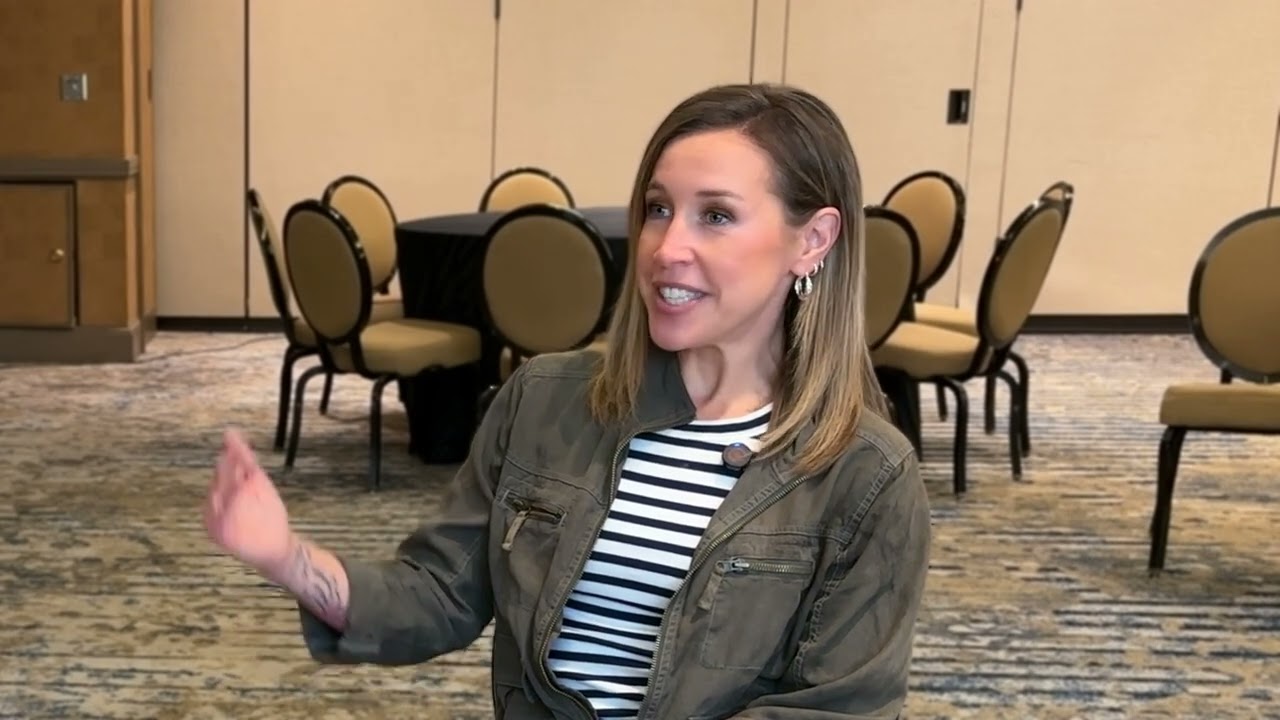
Virta clinician and lipid expert Dr. Forrest Estes joins me to unpack how insulin resistance often hides in plain sight—and how a simple calculation using labs you’ve probably already had can reveal powerful clues about your metabolic health.
If you love practical, “aha!” insights you can actually use, this one’s a must-listen!
Оглавление (5 сегментов)
Segment 1 (00:00 - 05:00)
Welcome to your life reset, a Verta Health podcast where bold stories meet breakthrough ideas. From massive weight loss wins to exploring the latest research, discover what's possible when science meets real life. Hey there listeners, it's Sharesa Link and this is your life reset. Do you have insulin resistance or would you even know it if you did? Today's guest is going to help you find out with some very simple math. So, I'm joined today by Dr. Forest Estus, Verta clinician and board certified lipidologist, uh, and a proud self-described nerd. So, we're breaking down blood lipids, insulin resistance, and why some of the most important, uh, metabolic red flags might be in some labs that you've already had. So, if you like practical insights uh without the medical jargon or less medical jargon, uh you're going to love this conversation. So, Horus, thank you so much for being here. I'm so excited to have you on. — Uh Teresa, thank you so much for having me. I'm excited to be here, too. Uh we have fun. — Yeah. So, I think it's important to mention, first of all, uh that the only reason I invited you is because of your southern accent. It's not because you're a lipidologist. It's because of your accent. Okay, that's not a problem. I'll take what I can get here. You know, um you or as we would like to say down here in Georgia, you know, I ain't mad at you. So, we're good. Okay. Well, I hope you had a lot more Georgia isms uh you know, throughout today. Um but, you know, got to be careful because I could take it down a tangent um with lots of different accents that I love. So, you know, let's move to the topic, you know, at hand. Um, so today we're going to answer the question, do you have insulin resistance? Um, seems like a big, you know, big question, but we can really simplify it. Um, before we get into that good stuff though, you're a lipidologist, which sounds intense. Um, what does that actually mean? — Uh, yeah, you know, it does sound complicated. Uh, it does. Uh, it does, but you know, it doesn't have to be, right? Um, really it's just lipidology. lipidology um is just the study of lipids in the blood. Uh things like cholesterol, triglycerides, you know, all these things, you know, play a huge role in the body and have many different functions um in many different forms. Um for example, triglycerides, which is just a fancy word for fats. Um that's just, you know, energy storage, right? And then we got things like cholesterol, which is a waxy type of lipid. Um, and it's, you know, used for everything from building cell walls to making, you know, hormones in and in that regard. It's one of the basic building blocks of our biology. So, really important for sure. — Yeah. And at f at Verta, you know, we focus on metabolic health. Um, how are lipids and metabolic health then related? — A very good question. Um and that's kind of what got me interested in lipidology from my metabolic background. So you know metabolic health um just refers to how well the body manages and uses energy and uh and lipids are central to that process. So um a healthy metabolism uh depends on the body's ability to handle um lipids appropriately and by that I mean you know just uh storing moving using these lipids. So, but uh when insulin resistance impairs lipid handling, um the mismanaged lipids can then worsen the insulin resistance and now we got this snowball situation uh on our hands and it all and it just kind of leads to uh all kinds of issues, metabolic issues like weight gain, type two diabetes, um you know, hypertension, uh fatty liver disease, PCOS, uh heart disease, so on and so forth. So um uh and you know kind of what all that means is that a lipid panel which is just a you know the simple labs you get um uh in a standard set of labs that shows all your cholesterol um this lipid panel is much more than heart health right it can really provide some insight into your overall medic uh metabolic health as well. Well, I am so excited to learn more. Um, you know, you you've called yourself a bit of a nerd. Definitely feels on brand for sure. — I can't deny it. At this point, there's no hiding, right? Um, I tried being cool uh for quite some time. Uh, but at this point, I'm in the acceptance phase. Um, I'm a nerd and I'm at peace with that. So, yeah. — Oh, yeah. Me, too. Me, too. Um, I think the best part about getting older is you just don't care anymore
Segment 2 (05:00 - 10:00)
about trying to be cool and you can just embrace your nerdery. It's so liberating. So liberating. — Could not agree with you more. That is 100% truth right there. So for sure. — Uh so let's uh let's connect some dots here. So lipids matter for metabolic health. We've established that. Um, I'm really confident that our audience also knows already that insulin resistance is the root cause of metabolic disease. So, very simply, what's insulin resistance? — Yeah, sure. Absolutely. Um, let's start with um insulin itself, right? Super simple um super quick. You know, insulin is just a hormone that your pancreas produces when you eat carbs and to a lesser extent protein. Um, but its job is to move uh sugar from your blood into the cells so it can be used or stored as energy. Right? Now, insulin resistance happens when your cells stop responding to that signal. Um it's like uh insulin, you know, just keeps knocking on the door. Uh but and the cells just stop answering because they're just over it, right? So uh but the fact is that you know the sugar's got to in your blood has got to go somewhere, right? So to compensate your body just makes more insulin to get the job done. Um so blood sugar rises you know insulin rises and this whole back and forth creates a lot of stress and strain in the system and over time uh you know the inflammation driven by all of this metabolic stress leads to all the uh crazy things I mentioned before like you know weight gain you know diabetes so on and so forth. — So it's not just about the blood sugar. — Exactly right. you know, blood sugar gets all the blame, right? And not, you know, not completely undeservedly, but you know, all of the excessive insulin is really the main driver of all of this metabolic uh mayhem, right? We should be starting the conversation with insulin um and how we can uh decrease insulin levels. That's really helpful because, you know, people usually think of high blood sugar as the cause of all these problems when really it's more of the result of the underlying problem, — right? Yeah. Exactly. It's like the cause of the cause, right? Or you know, the body does, you know, definitely doesn't like high blood sugar uh alone, right? Um but the insulin response is what creates all the downstream problems for sure. So we tend to associate insulin resistance just with diabetes. I mean I think a lot of us you know do. Um so someone with insulin resistance does that mean they have diabetes? — Uh not necessarily right. Insulin resistance exists on a spectrum. Uh type two diabetes is just the far end of that spectrum. It's the you know the last stop so to speak. — Okay. I got it. Um, so all people with type two diabetes have insulin resistance, but not all people with insulin resistance have type two diabetes. — Yes. — Although eventually they will if they're not, you know, if that insulin resistance is ignored. — Um, — agree. Yeah. — All right. So, let's say someone's listening and they're thinking, okay, um, I want to know if this applies to me. So their blood sugar might look normal, but they could still be insulin resistant, right? So do they need any fancy labs to figure this out? — No, absolutely not. Right. That's the beauty of this. Like you can just uh a basic lipid panel like I was mentioning before. Um just a list of cholesterol labs on a on standard set of labs that most people have already, you know, that's it. That's all you need. That's completely enough. is a simple calculation um that we call the triglyceride to HDL ratio and it just it's a simple calculation just uses two numbers from the lipid panel um and that's all you need and most people already have that — so how you figure that out that ratio — yeah super simple like you just divide your triglyceride number by your HDL number and so for example so if your triglycerides are 150 and your HDL is 50 um your ratio would be three, right? 150 divided by 50 is three. Um and you know individually when you look at the lipid panel individually those numbers look normal, right? They're not out of crazy range or anything like that, but they're actually metabolically related. Um and together they show an increased ratio which is suggestive of insulin resistance. Um, and you know, as a general rule, anything above, you know, 2 and a half or certainly above three raises concern. Um, lower is better. Um, ideally, uh, you try to shoot them for
Segment 3 (10:00 - 15:00)
1. 5 or below, but, you know, don't stop there. Go for it. Get after it. Go for one. Um, get it less than one. Go on with it for sure. — So, someone could be told that their labs are normal, but they could still be insulin resistant. Oh, exactly. Yeah. Um, you know, this ratio isn't like listed out as a number in the lab. You got to kind of calculate it in your head. So, it, you know, it's easy to miss. It's really easy to overlook. — Yeah, that's a little bit scary uh that it's so easy to miss, right? And that it's not something that is pointed out. Um, so what if that ratio is high like it's above 2. 5? um meaning that you've got high triglycerides, low HO, right? What did that what mean for someone? — So that's just a classic sign of insulin resistance and higher metabolic risk. — Okay. So let's say somebody listening has this high triglyceride to HDL ratio, let's say 2. 5 or you know or higher. Where should they start? — Absolutely right. Um, so, uh, lifestyle first and foremost, hands down, that's where you start. And, and you know, that just means on cutting back on sugar, uh, processed carbs, uh, focusing on, uh, whole foods, getting fiber from real food, you know, not just supplements, right? Um, and moving your body, right? Um, and I think it's important to know that, you know, exercise is going to help for sure, but, you know, the majority of the heavy lifting in this case is going to be uh driven by your diet for sure. — Got it. But, you know, those changes to your diet don't have to be extreme, right? — No, not at all. And that's what's so great, you know, um, small changes over time, big results. Um, and that's kind of what it's a it's a great way to look at it for sure. — All right, I'm going to put on my dietician hat now. Um, and then you'll talk about some maybe some practical advice uh with this. So, as a dietitian, I would recommend, you know, starting with some simple steps, right, that can really make the biggest impact, you know, possible. So, first, I would focus on reducing sugar. So, if you're drinking sugary beverages like, you know, regular soda, sweet tea, uh, fruit juice, even the 100% fruit juice, you know, ditch those now. Um, — immediately that change alone, I think, can make a huge difference in your metabolic health. And then also be sure to check those labels too, right? Because, you know, these so-called healthy foods, smoothies, yogurt, um, many are surprisingly high in sugar, uh, like as much sugar as a candy bar. I mean, it's really — really kind of alarming. Um, you know, second, I would say cut back on grains like white bread, pasta, potatoes, rice. Um, you know, you can easily swap French fries for a side salad. Uh you can try zucchini noodles in instead of pasta. You can, you know, double up your veggies in place of mashed potatoes or have a burger without the bun. You know, it doesn't have to be complicated, right? Um — for sure. — And as you mentioned, choosing whole foods. So whenever you can, you know, we don't have to be perfect. Uh but when you can, you know, do it. So these are foods with only a few ingredients. Um or ones that don't come with a nutrition label at all like strawberries or — green beans. Th those would be your definition of a whole food. — Yep. Straight out the ground. There you go. — Yeah. Exactly. You know, and you know, add some healthy fats and some salt in that. Um and it actually tastes good. Right. You can't beat it. — Right. Uh you know, totally. I used to eat steamed broccoli with no salt, no butter, anything like that, and I'm like, why do I do this to myself? uh all those years ago. Um but now, you know, you just add a hunk of butter and some salt and you're good to go. — Yeah, absolutely. For sure. The um the secret to good restaurant food is out. I think uh I think that Yeah, for sure. — Yeah. And it's so easy. Just, you know, do it at home. You don't have to — portions. — All right. Well, that back to lipids. Um, if someone sees a high triglyceride to HDL ratio on their cholesterol panel, what would you tell them as a physician? — Um, uh, so it's I think it's best to think of it like a warning light on your dashboard, right? Uh, you know, don't panic, don't slam on the brakes, um, pull over to the side of the highway and put on your blinkers, right? But
Segment 4 (15:00 - 20:00)
don't ignore it, right? and use it as a motivation to make some changes before uh bigger problems show up. — I love that comparison to a warning light, right? Um you know, your engine might need a little bit of maintenance, but it's not dead yet. Hopefully. — Yeah. — Um Yeah. Okay. All right, Forest. So, this has been um awesome so far. To close us out, um I'm going to take you to the hot seat. So, these questions are rapid fire. Don't think about them too much. Uh, so we're going to go with question number one. — Okay. — What's the highest HDL you've ever seen? — Oh. Um, probably you I know a little over 100. You know, um, nothing too wild, but you know, the major abnormalities occur on the lower end of things, but uh, probably over 100. — Yeah, that's up there. So, I thought my mom's HDL would top the charts at 85, but looks like she's got some work to do. Oh, that's legit HDL. No doubt she's doing good. — All right, question two. What food is always in your fridge? Uh — uh always cheese sticks, right? I I've got kids. Um we always got cheese sticks. Uh we're good for if you need one, we're good for some cheese sticks. Just let me know. We're good. Just — let you know. Um so do they like the string? Do you guys like the string cheese or do you like the cheddar like the swirly ones? — One of each. Uh the older one likes the swirly. Um the younger one likes the string cheese and dad likes both. So we're good to go. — All right. Uh yeah, cheese sticks are an absolute must when you have kids. Um or when you don't, you know, they're just hill candy and portable. — Yeah. All right. Question three. Bacon or eggs? You can only choose one for the rest of your life. So, which is it? — The hot seat is appropriately named. Goodness. Um, I love eggs. Uh, but I think, you know, I think if I didn't have eggs, the only thing that's going to make me happy is bacon. So, following that logic, I'll go bacon. — Well, bacon makes me very happy as well. But I'm going to go with eggs, you know, because we can dress them up, you can dress them down, you can, you know, add a whole bunch of stuff to them. Um, so I'll go with that. So you go with bacon. I'll go with eggs and then we'll just, you know, we'll balance each other out. — It'll be great. — That sounds like a plan. And I'm open to bartering, right? So if you want to work a trade, holler. We'll — trade. Oh, no trades. — They can only. — All right. I'm good with it. Let's go. — Okay. So, last question. Um, best and decade 70s, 80s or 90s. — Oh, 80s. Hands down. No debate for sure. — Uh, by the late 80s, I was about nine. So, I didn't really get to experience a lot of its glory. You know, I was a shy adult. Uh, so, you know, what made the 80s the best decade — right off the bat? Was it the hair? — Well, yeah. Yeah, it's got to be the hair, right? Yeah, definitely. You know, I had the standard bowl cut. I don't know if you remember that. Which eventually in the 90s in college, it grew out the shorter length and now it's just gone, but uh I remember it all very fondly. So, — well, I hope you have pictures of — Oh, yes, we do. — Good. I just actually found a photo um when I was looking at this collage that uh that I made of me and my brother when we were younger and I was showing — showing my six-year-old. Um and I was like, "Oh, this is mommy as a flower girl when I was your age. " And this was from uh 1989. Um the dress totally, you know, horrific. The hair amazing. It was frizzy. I had the like the poof bangs. Uh, took my mom forever, you know, and a whole can of Hairspray, buddy was totally worth it. Totally worth it for him. — Absolutely. — Decades. — I can picture I know exactly what you're talking about. And it is — it is it's perfect 80s. It's awesome. I love it. — Glorious. I mean, we're creeping into the 90s there, but you know, we'll keep it in the 80s. Uh, so all right. We've established a ton of really great information today. Um, — had some fun. We've had some laughs. I think I might have started to uh mirror your accent a little bit and then I had to like take it back. Uh I don't know. — Let it fly. Don't worry. Just let it just it's the natural thing. Just let it go. — Um so it sounds like okay, we've got some very practical advice for listeners to understand what are some of those early signals where they could be insulin resistant, right? And we can find that
Segment 5 (20:00 - 21:00)
— without fancy labs. We can do that with a basic cholesterol panel. So if you hadn't had one, why would we go get one? — Um, and then you can again just do that simple math. Remind us of the simple math. — Oh, uh, triglycerides — divided by HDL. — Okay. And then remind us too, what number are we trying to get below? And what number maybe could cause you to want to look at that blinking engine light? — Sure. Right. Absolutely. So, the goal would be 1. 5 or below, right? Uh but certainly think anything three and above uh should uh perk your ears up a little bit and uh — Yeah, for sure. — Wow. And then again, just to recap, this is not a reason to panic. It's a reason to look at this as an opportunity to — engage. Yes, absolutely. — Small changes over time. — All right. Fabulous. Okay. Well, thank you so much for hanging with me today for us. Uh again, lots of great conversation, tons of practical information, a lot of what I don't think most people know and hopefully they can go and find this out, you know, for themselves. and you know be motivated to maybe make some changes. So um you know I really hope that our audience walks away feeling empowered. — Absolutely. And I really appreciate you having me. Thanks so much.