Get your website ranking in Ai AND traditional search tool with Search Atlas. Here's the link to give it a try: https://searchatlas.com/?utm_source=gillian_perkins&utm_medium=influencer_youtube&utm_campaign=q1_inf_cam&utm_content=primary_link
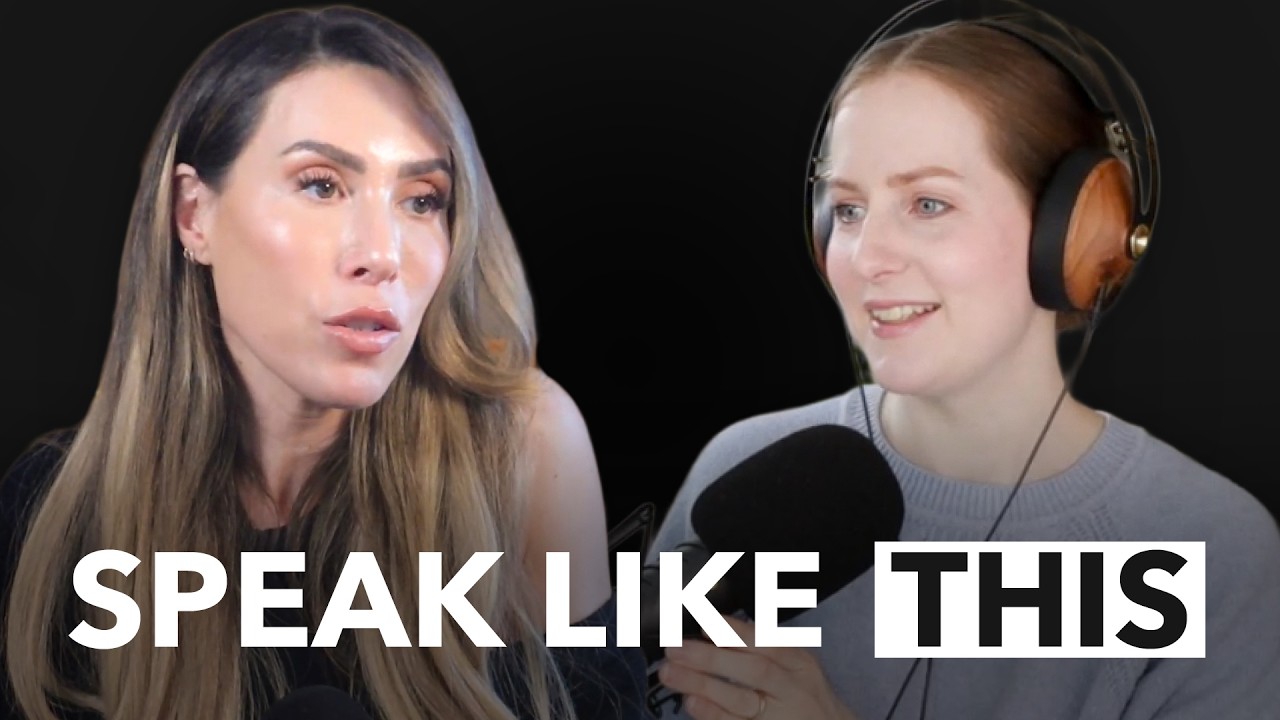
Personal branding and online business strategy are evolving fast—and in this video, I sit down with Alex Cattoni to break down what’s actually working right now. We talk through her transition from client work to scalable programs, why community and live interaction are outperforming automation, and how marketing has shifted post-COVID. You’ll also hear what she’s planning next, including a return to high-level strategy and how she’s thinking about AI as a tool for creativity—not a replacement for it. If you want to build a more sustainable, modern online business, this conversation will give you a clear perspective on where things are headed.
TIMESTAMPS
00:00 Intro
04:01 Key decisions that shaped business growth
06:35 Mastermind structure and community dynamics
12:15 Media features and building authority
14:16 Launch strategy trends
19:04 Engagement and connection in modern marketing
20:33 Search Atlas
22:19 Email launch links
26:00 The current state of webinars
34:21 What worked in 2025 (wins and lessons)
37:30 Plans for 2026: personal brand and strategy
39:22 AI and the future of creativity
🔹 Watch my free YouTube workshop to learn how to get your first 1,000 subscribers in just 3 months: https://creatorfasttrack.com/workshop-registration
🔹 Want to see exactly how my most profitable funnels work? Watch me break down one of my $100K sales funnel here: https://gillianperkins.com/bts
🔹 Get my Small Business 101 course for FREE: https://gillianperkins.com/free-training-small-business-101/
// WHAT TO WATCH NEXT
- what to focus on in the FIRST WEEK of starting an online business: https://youtu.be/O8wIhknoQpk
- 5 Practical Steps to Start Your First Business (as a Stay-at-Home-Mom): https://youtu.be/gvGLoRQUQe8
- Why I'm RADICALLY Changing My Business Model for 2025 (and maybe you should to...): https://youtu.be/SySD3KaMJ7E
// LINKS
Learn more about Gillian and find resources to build your online business:
https://www.gillianperkins.com
Follow Gillian on Instagram to get a BTS look at what it's like to be a digital entrepreneur: https://www.instagram.com/gillianzperkins/
// FILMING EQUIPMENT
Main camera: https://amzn.to/3rhibrl
Clip-on lav mic: https://amzn.to/46DwN4n
Tripod: https://amzn.to/2w7sIJ6
Main light: https://amzn.to/3HHHhFX
Other lights: https://amzn.to/2OKhzEv
RBG light strip: https://amzn.to/3WmuPiR
NOTE: This description may contain affiliate links to products we enjoy using ourselves. Should you choose to use these links, this channel may earn affiliate commissions at no additional cost to you. We appreciate your support!
Оглавление (12 сегментов)
Intro
Today, I'm joined by top launch copywriter and strategist Alex Cattoni, and we are going deep on all the experiments that we've been running lately. Everything we've been doing to try to figure out what's working in 2026 when it comes to marketing online. You'll be hearing all about what worked best for us in 2025 and what we are most excited about trying in 2026. We're going to be talking about best practices when it comes to launch links, webinars, challenges, and so many more online launch strategies. So, if you're planning to launch or relaunch a product online in 2026, then keep on listening. Hey there, Alex. Welcome to Work Class Earn More. I'm so happy to be here, Gillian. Thanks for having me. Yeah, I have a lot of questions for you today, so I want to dive right in. Starting with I am really curious what your business is looking like in 2026. I've been following along with you for the past few years, but I'm just curious like what does the current version of your business look like today? Are you copywriting for clients at all? Doing launch strategy for clients? Or are you only teaching customers how to DIY via courses or consulting or something else? Yeah, great question. What my business looks like today, businesses they go through such an evolution. So, when I first started my YouTube channel, I was exclusively working with clients and I'd been doing that for about 10 years. And then for a time I overlapped where I had a small agency working with clients, and then I started teaching programs and courses, and then I decided to really just go full in on the education side of things because that part of my business was blowing up. And so, I occasionally would do, you know, like half-day strategy sessions with clients or critiques or things like that, but wasn't actually taking on any sort of full-blown copywriting clients after about 2022. Mhm. And went full on into education side of things. And then in 2026, what's interesting now is I'm really missing the higher-level deeper strategy work that I used to do before starting my YouTube channel. So, even though I am still working on growing my programs and memberships, I'm going to be opening my books for more higher-level strategy. Not so much copywriting, but messaging makeover, positioning, all of that in the next few months here. So, we'll see sort of where that goes. And I'm also doing a lot more keynote talks and presenting on stages and building my personal brand in a big way in 2026. It's interesting how sometimes those things bring us full circle. I've been noticing that with my business as well, where, you know, there was a reason we started out with the things that a lot of the time because those were the things we really wanted to do. And so, then we kind of follow, you know, the money where the money leads and, you know, follow the audience what the audience wants. And then at a certain point, sometimes we come back to some of the things we originally did as like, "Ah, I miss those things. Those were my favorite parts. " Yeah, and I think it's so great to sort of think of how we come back full circle, but what I'm able to accomplish now on the sort of the direct high-level B2B side of my business is so much higher than before because I have the authority of building up a public platform. Whereas before, I was virtually anonymous. Like I always said I was everybody's best-kept secret, you know, like, "I know what I'm doing. Trust me. I have clients that can tell you that. " But then to be able to do it for myself and then now come back full circle and realize that it was sort of, yeah, it was always meant to go in this way and being able to get back to my roots a little bit, you know, cuz I do enjoy the strategy side of things. Mhm. Yeah. So, I have a bunch of questions for you about like launch strategy and copywriting that I want to get into, but since we're talking about your business right now, maybe we can go into a couple questions I have for you about that first. — do it. Um so, you were talking about how
Key decisions that shaped business growth
now you have like a lot more authority and there's more social proof and whatnot, so you can, you know, potentially like get bigger clients and things like that. And I'm really curious what are the top maybe like two or three business decisions that you think have had outsized impact on your business and have led you to this position of authority that you're in today? For sure, far and away, I think the biggest decision was starting a YouTube channel. As someone on YouTube, I'm sure you can relate. I mean, when I started my channel, I was virtually anonymous. Although I was slowly starting to post on other platforms like Instagram and LinkedIn, I really decided to double down on YouTube and that was the foundation of the entire Copy Bossy. You know, when I started my YouTube channel, the Copy Bossy wasn't even an idea yet. I was still operating sort of under my personal brand as an independent contractor and thought maybe I would start my YouTube [clears throat] channel as a way to build more authority with higher-level clients. And then what happened as a result of that was really realizing how much demand there was in the marketplace for a coach to teach copywriting and marketing the way I taught it and especially being a woman in the industry, being one of few people teaching copywriting at the time especially. So, I would say that was far and away the biggest decision is to really just start showing up even though I felt unprepared and unqualified. I say that in air quotes cuz I had been doing it for 10 years before that, but I think like so many entrepreneurs, you can come up with a million reasons why you're not ready or, you know, impostor syndrome or whatever you want to call it. And that to me was just like if I had to put a stake in the ground and say that's the moment where literally my life took a completely different direction, it was that. Mhm. Same. I same story where it was like I'd been doing it for, not 10 years in my case, I've been an entrepreneur for 10 years, but I'd been doing digital marketing for a few years before that. But it was when I started YouTube that suddenly my business took off, suddenly I had an audience, you know, suddenly after that was when I started my membership site and was able to successfully like launch courses and so many different things. So, are there any other like key decisions that you look at that maybe they didn't have as big of an impact as YouTube, but what other things played into maybe your YouTube channel growing or into your business growing in other ways or creating authority? Yeah, I think the next big decision
Mastermind structure and community dynamics
other than launching my flagship course, which was huge. I mean, I made nearly six figures in a week and I had never really made that money that quickly before, of course, being a freelance copywriter and marketing consultant. But it was when I launched my mastermind, I think was more than about the money. The money was great, but it really was me sort of owning and stepping into another level of leadership. Mhm. I think teaching beginners felt really safe in the beginning. I had sort of figured that out. And then about 2 years in after I had launched my flagship eight-week course, I decided to launch my mastermind and that has been one of my favorite parts of my business and we, you know, we still meet every single week and just being in a container or a space with other incredible business owners and just leveling up my leadership in that way. I think that has been a big part of just my personal evolution of seeing myself as being a how-to marketing girl to truly leading a business, leading an industry, and leveling up in that way, you know, to now be keynoting conferences and being seen as a leader in the marketing industry. I think it was like baby steps to get there and launching my mastermind felt so scary at first and that was a big one. Tell me a little bit more about the practical side, the details of the mastermind. How many people do you have in it? Is there a certain like period of time that it runs for? Like what's that container like? Yeah, so there's about 30 people in it. It's a primarily virtual mastermind because I have so many members overseas in Europe and really all over the world. So, it first opened in 2021 and it was primarily for copywriters. So, it was people who had been through my eight-week course and were starting to work with clients and were really looking for an avenue to level up and attract higher-level clients. But then over the years, as my copywriting students started to shift more into higher-level strategy and one-on-one services and now almost consider themselves to be strategists and business owners, the mastermind has shifted to be really all types of online business owners, whether it's direct service providers who work with clients or people who have their own courses and communities. And so, it's a 10K offer. I open the doors twice a year. So, it's a waitlist for most of the year and then twice a year I open applications and then do an invitation to those who qualify. I used to have a really fancy funnel for my mastermind. You know, I had like a pay a deposit, book a call, it you know, then if you're the right fit, you'll get an invitation and then we, you know, reveal the investment. It was all feeling very clunky and I started to think about all the masterminds I've ever invested in my life and it was never a book a call application process. It was always a interest and then a direct invitation. So, recently I actually drastically simplified my mastermind funnel to truly be an application page and I say right there on the page, "If you're a fit, I'll send you an email with all the information up front. " Mhm. Including like the link to purchase right then? Well, like investment, all the info, the format, — the details. Yeah. All of it. And I email them, this shocks so many people, one-on-one. Everyone's like, "What? You don't automate that? " And to me, I'm like, if someone's going to pay me $10,000, like I'm going to email them. And so I email everyone one-on-one if they're a fit. If they're not, I just I say, "I don't think your business is quite at a place where this investment makes sense for you. " And then I can offer them something else, but if they're a fit, they get an email, and then we just go back and forth. And then if they want to hop on a call, me or someone on my team is available for that, but we sort of reverse the whole funnel on its head, and I think our biggest obstacle is honestly people not understanding that it's an actual email from me. Yeah. [clears throat] Probably so many marketers right now. We're all having to prove that we're real. Mhm. And not an AI bot, you know? — Yeah. And proving that like the application really was reviewed and that they were accepted based on criteria. At least that's a challenge that we run into where sometimes people ignore the acceptance email because they don't think it came actually from us, you know, they think it was automated and they think that we're just accepting everyone. It's like, actually no, we're accepting like well less than 40% of everyone. Yeah, something I started doing actually is as part of the application process, I ask for their Instagram handle. Mhm. And then if they're a fit, I email them, and then I send them a voice message on Instagram. And I say, "Hey, this is Alex. " Obviously I use their name so they know it's not an automated message. — Mhm. And I say, "I just sent you an email, and I'm letting you know this because I want to make sure it doesn't get lost in my marketing emails, because all my marketing emails also come from Alex Cattoni, which I realize is a little bit of an issue when all of a sudden you are emailing someone and it is you, and it's just getting looped in with all the rest of the marketing emails. " And that's really helped with making sure people really understand it is a personal one-on-one process. Mhm. Yeah. Yeah, that's smart. Okay, the next thing I wanted to ask you about was I know that you have gotten featured in some major publications over the last few years, specifically Forbes and
Media features and building authority
Founder, and I was just curious what the process was that led to that. Did you have to apply? Did you work with a PR agency? Did it just come out of the blue? What was that like? Yeah, so the Forbes article, I worked with a PR, I guess was it an agency? It was a friend of mine who has had a had, she doesn't do it anymore, had a PR business. And so she had connections at Forbes. — know who you mean then. Yeah, it's possible. And she helped get that feature, which was awesome. It had always been one of my goals to be featured in Forbes. And so that was that process where she put me in touch with an interviewer, and I got, you know, the full interview, and then the publication. Mhm. Founder was really random. That was just an outreach to me where they wanted to feature me on their blog and have me write some articles to be featured on their site. So that one was a little bit more organic as a probably as a result of the first, you know, feature in Forbes. Yeah, that's fun. I was also curious about you got Digital Marketer's Marketer of the Year award a few years ago, a couple years ago. And yeah, I was curious how that came to be. That was also very random. So somehow we were connected. I mean, I know Digital Marketer and Ryan Deiss is a friend of mine, but this was sort of after Ryan wasn't part of the day-to-day operations. And I believe I did a mini course with them or gosh, it's like my brain somehow we were connected. I was creating content for them in some capacity, and then I got an email saying I'd been nominated for Marketer of the Year amongst these other nominees. And yeah, that was really exciting. And then they were announcing the winner at Traffic & Conversion Summit. So I went I was going to that event and then won the award and got to go accept the award. So that was really cool. That's awesome, and congratulations. That's a big honor. — Thank you. So now let's talk about just how like
Launch strategy trends
launch strategy and copywriting has been changing so much in the last few years. I feel like it I mean, it's constantly shifting, of course. It was already starting to change a lot with the pandemic and whatnot and people's behaviors shifting, but then obviously with the onset of AI and specifically ChatGPT, it's been changing I think really dramatically and faster than ever. Yeah. — Just over those last couple of years. And a lot of the things that used to work really well and used to be best practice even are not working very well anymore. And so I was curious, what are a few specific things that used to be best practice or at least common practice that you've noticed just are not working as well as they used to? Yeah, great question. You're absolutely right. I mean, things have shifted so much. I mean, I was talking to my team this morning, and I try to reframe all of it into like, "This is a marketing problem that we get to solve. " You know, cuz there are days where I'm just like, "What is going on? " Like we all know, especially those of us who have been in the industry for long enough, like there are certain universal laws Mhm. that we just have come to rely on when it comes to marketing. Like a classic example is like the last day of your promotional launch is always the biggest, right? My launch in January, that wasn't the case. And I'm like, "What is happening? " Like this has never been the case. And so I'm definitely in a season of questioning everything, testing everything, and trying new things with the very much the experimental mindset of, you know, if this doesn't work, we're learning information. We're figuring this out. I think a big shift I'm noticing is this idea of like value stacking. I think the old school marketers would say like the more you can cram into an offer, the more valuable it is, the more people want it, you know, the thud factor, so to speak. You know, it's like, "I'm going to throw in $30,000 worth of bonuses. " Mhm. And everything is going to have a value associated with it, and everything's going to sound like it's so crazy valuable, but you can get it for this much, and then cross out, and you get it for this much, much. Like that cross out pricing still works, but I think what's shifting is just the public perception of what value is. Because now, especially with AI and ChatGPT, and you know, it's such an incredible problem-solver for people, I don't think it's enough to just be like, "Hmm, what do I have lying around? " Like the equi- like it's like the equivalent to being like, "What do I have lying around my office that I can give away? " Like I think the old way was, "Oh yeah, we have some old content over there. We have some footage from that event. " Like package it up, put it in the offer as a bonus, and it'll increase the value, and we're good to go. Now I'm just seeing a huge emphasis on time-saving versus value stacking. So meaning, if I'm going to put a bonus into an offer, instead of thinking like, "Oh, this is a 90-minute training," which is incredibly valuable. Like it might even be a session from my mastermind that you would typically have to pay $10,000 to get access to, I've realized that 90-minute long videos aren't really the vibe for a lot of people these days. And so everything I do, I'm really trying to think about how can this be something that actually saves people time and helps them get results faster versus just cramming stuff in to make an offer appear more valuable. The other thing I'm noticing is just being even I mean, specificity was always important with marketing, we know that, but now there's like zero time for ambiguity about who you serve and what you help them do. Uh and I come from a personal development background. So specificity has also been has always been something that I've hammered home for my clients and for my students. You know, in personal development, everyone always is like, "Well, it's a person- like it just helps people live better lives. " It's like, "Who are people? Everyone. " "And in what area of their lives? All areas. " You're like, "Oh gosh, it's this is going to be very hard to sell. " And it was hard to sell without specificity back then. Now even more so. And I'm really trying to sharpen the tip of the spear, so to speak, especially at the top of funnel where I'm even calling out in my ads and in my messaging like exactly who it's for without even necessarily letting the messaging filter people out, because so many people won't even get that far. So I'll start my ads with "Hey, aspiring copywriters" or, you know, "creative freedom seekers" or "Do you want to leave your 9-to-5 job? " Like I'm getting as specific as I can in my messaging, because people are so bombarded with words now that the more specific we can be, the better. And I think the last thing that
Engagement and connection in modern marketing
has been a huge shift in our marketing strategy is really figuring out how we can start more conversations with people. There's so much lurking happening online now. Like it feels even old school to say "Comment below" like on an Instagram post. Like "Comment below and let me know what you think about this. " It used to be that you would drop a CTA like that, and everyone would tell you what they thought. And now it's like nobody's stopping to do that. Everyone wants quick. Everyone wants like, "Give me the thing or I'm going to keep scrolling. " And so really figuring out in an internet landscape where literally 95% of people are lurking and not engaging, one, what are the metrics that we're actually looking for to decide whether or not something's working, and then how can we break that wall with as many people as possible to get a two-way conversation going, whether it's in Instagram DMs or over email. I'm just really noticing people are assuming, as you said earlier, that they're getting a mass-marketed message and it's not actually for them, and we just get really good at tuning it all out. Mhm. Yeah. So, how do we get people to engage? respond so that we can start to build a relationship or start to even just have a conversation? Yeah, exactly. Yeah. Okay, quick break because we need to
Search Atlas
talk about something that most people are totally missing right now. And that is that search is changing and changing really fast. It's not just Google anymore. Now, people are increasingly using AI tools like Chat GPT to do basic inquiries on the web. And what that means for business owners is that even if you have done extensive SEO in the past to get your business to rank on Google and other search engines like that, now your business might not be showing up where people are actually looking. So, lately I've been experimenting with some tools that can help us to deal with this shift. And the one that I have been loving the very most is called Search Atlas. Search Atlas is pretty different from most marketing analytics platforms you might have tried in the past because it doesn't just give you data, it actually will implement the changes for you. And that is huge because I know I have used many different marketing analytics type platforms in the past that gave me tons of great data, but then I never did anything with it because I didn't have the time those changes. But Search Atlas really solves that problem and does it in a way that takes into account this new AI landscape that we're dealing with. So, basically Search Atlas can give you specific recommendations for how to improve your ranking both on traditional search engines such as Google, but also on these new AI platforms like Chat GPT and Claude, etc. And then, and this is where things get really crazy, Search Atlas can actually implement those changes on your website with Search Atlas's own AI capabilities. So, if you are looking for a streamlined and very strategic way to get your business website ranking everywhere that people are looking these days, then check down below for the link to give Search Atlas a try for yourself. I'm curious about your take on a few
Email launch links
specific things and what you've noticed is working better or differently. What about email launch lengths? How many days are you noticing any trend with like shorter launches are doing better or longer launches? Really good question. We have tested so many different lengths of launches, and I I'll have a philosophy about it, and then we'll test it, and I'll be like, "Maybe I was wrong. " You know, I had a feeling my launch in January was too long. How long was it? It was about 10 days. Of open cart? Yeah, about 10 days of open cart, but the first few days it was sending to kind of like product launch formula style videos. So, it wasn't like direct offer emails every single day. But I you just feel it. You know, as a marketer when you're doing a launch, like there was something that happened where I could feel the momentum, you know, we're still getting great opens and clicks and all that in their emails, but I could just feel like even in the messaging, I was like, "Ah, I think this is too long. " I felt like I was writing a few too many emails saying, "You have four days left. You have three two days left. " and being like, "This is too long. " So, that was more of a gut feeling, but here's what's interesting and I think this makes sense to anyone, but, you know, a lot of people are were saying like, "Oh, five-day challenges are dead. Nobody spends time doing five-day challenges. " And then we tried to like cram a five-day challenge into a three-day challenge back in December, and I think on the messaging front, it helped. front end conversions, it helped because three days felt more accessible, and five days is like, "Oh, five days? Like it's like almost a week, you know? " But I don't know if it helped on the back end. And I felt rushed, you know, dropping the offer on day two instead of typically I would drop it on day three or four, I felt rushed, and I'm like, "I don't even feel like I'm ready for this. How do they feel like they're ready for that? " And so, I still see people absolutely rocking longer sales events. I think the difference is how can you really front-load, you know, the first part of a challenge, let's say, with really great transformational content, drop the offer on maybe day three, and then day four and five are not necessarily heavy teaching days or content days, but they are case studies and overcoming objections and, you know, really still making people feel like they're part of the live experience, but using it more as a sales opportunity. Where my old five-day challenges used to be five days like hardcore content every single day, I'm realizing, I don't know if it was the five days that was the problem. I think I was like firehosing people. Although we had an incredible conversion rate on the back end, I tried to put it into a three-day format, and I really I don't love how that one went. So, and now I'm kind of rethinking it where I'm like, "Okay, five days for the right people, they're going to be there. They're going to show up. You might not have crazy high retention until day five, but how can you present the offer a little earlier? How can you make it feel more accessible, but still give people a reason to act now with replays that expire and things like that. So, I am just right now I feel like I'm a marketing mad scientist where I'm trying like different consumption models. How long do the replays exist for? You know, is that too long? Is that too short? I don't want to piss anybody off. You know, I want to make sure I'm in integrity. It's all of these questions that we ask ourselves as marketers to try to, you know, get to the outcome we want, but also make sure we're creating an experience that makes people want to
The current state of webinars
come back. What are your thoughts on challenges versus webinars versus product launch formula, you know, style launches these days? I honestly think they're all awesome. Like I think there'll be a lot of people who say webinars are dead, and then you have someone else say, "I just did, you know, a six-figure webinar. They're not dead. " Same with challenges. Like I stopped calling them challenges because I'm like, "The word itself means hard. " — But I think doing a five-day event that feels really fun is still very, very doable. I've also done sort of a hybrid, like a product launch formula style series of videos that also come with live calls. So, the [clears throat] videos are unlocked, and then there's live calls in between. So, you're kind of merging like a PLF style launch with a challenge to create an event that kind of gives people the best of both where they're getting training, but they're also getting the live experience, and that's that I've seen work really well, too. Do you have a favorite right now? I'm going to say as much as I would love to say like the evergreen video product launch formula is the best because it's lower commitment for everybody who does it, you know, on my team, uh I think like the hybrid video trainings plus live interaction and offer is my favorite right now. Yeah, we did one recently that was kind of like that. It PLF, but it was live videos. So, I didn't do both. It was just the PLF videos were live, and it worked really well. Mhm. And it was more fun. I felt like When you say live, you mean they were broadcasted like at a certain time sort of thing? Or were you live I was live. I was live on Zoom. Yeah, so it was kind of like a three-day webinar series kind of, but, you know, they were shorter than webinars, and there wasn't like as long of a pitch on each one, but it was like a little bit more stressful, you know, to be live each of those three days cuz I always get like a little bit of stage fright and that sort of thing, but there was really good energy with it, and it was more fun, and it like it was the opposite of stale, I would say. And that's I think exactly it. It's like finding the balance between the live experiences because I do believe people are craving connection right now, and it's so wild. I don't know if you've had this, but every time I go live for a workshop or a training, the first few Zoom comments, people are like, "Is this really live? How do I know this is really live? " And I think it's because so many people have been lied to, essentially, and told something was live or maybe just like omitted, you know, like, "We didn't say it was live, but I made people think it was. " And then they were realizing they're watching a recording. But that live experience, no matter what, cannot be replicated through video. There's something really magic about the chat, and you get your best customers showing up and being like, "This is amazing, and I took this program last year, and it changed my life. " And you're like, "Ah, you can't pay for that level of engagement and that those case studies that just happened organically. " And so, yeah, I agree. It's way more energy. It's exhausting. At the end of the day, you're like, "Oh my gosh, I'm so tired. " And then you have to get up and do it all over again, but there's something really magic about it. Mhm. Yeah. I was trying to get away, I think, from two things. One is like kind of the staleness that can come from the recorded video, right? That we sometimes see with a recorded webinar or a PLF challenge or, you know, that sort of thing. I was also trying to get away from It seems like these days people are a little commitment shy with like putting something on their calendar {slash} they like forget why they wanted it by the time it shows up. So, they'll sign up for a webinar, you know, a week in advance and then by the time it comes around, they're busy and they don't really remember why they signed up in the first place. So, I wanted it to be more spontaneous and I think that it did that really well. I love that. But, it was experimental and so there wasn't like a formula to follow for it exactly or at all. And so, so it made it a little bit challenging to know how to like effectively structure the content of the sessions, I guess. Something I did in December, which this part I did like, like I said, I felt the three days was too rushed, but what I did do is for the training portions, so before I did the offer. So, what I did is it was three days where there was, you know, content, then there was an offer, the offer starting on day two and then there was Q& A at the end. I actually went live, then I said to everybody, "For the training portion of this, I'm going to broadcast a video here on Zoom, but I'm still here in the chat. I just have a tendency to ramble, which I think many of us do when we go live. Like you think you have an hour and then next thing you know, you're like peanut gallery and whatever. " So, I actually did do 30-minute pre-recorded trainings that I broadcast and was really transparent about it. I'm like, "You are about to see a pre-recorded video, but I'm going to be here. " And everyone thought it was great. Not one person left, the retention stuck the whole way through. And I got to conserve my energy a little cuz I was only going live for the first 10 to 15 minutes, giving shout-outs, announcing prize winners, then we did the broadcast and then we came back and I jumped back on the video or on the live and did went into the offer. And so, that part I really liked and think it worked well, which is a great strategy if you are planning to immediately evergreen something. If it's truly a live sales event and you'll only ever do it live, there's no real point in taking the time to pre-record video content, but this happens all the time every time you do a live event that you do plan to edit and maybe repackage into an evergreen program, it takes time. You're like, "Okay, the event ends. " Then you're left with hours and hours of Zoom recordings that you're like, "Well, I'm not just going to package this. That's going to be the worst experience for anybody watching this as an evergreen program. " So, then you have to send it to the editors, you have to figure it all out, relaunch it as an evergreen offer. And so, because the event I did in December, I was planning to release as an evergreen course later, doing the work first just made the whole thing a lot easier in that regard. Mhm. Yeah, so starting with the end in mind, that makes sense. I feel like you almost did it like summit style. It like wasn't actually a summit since it was only you and not a host of panel of guests or something, but that's kind of how people often host summits. Yeah, you're right. Yeah, I didn't even think of that. You're right, absolutely. This is pre-recorded summit with one guest. — I love how we're back in the experimental stage. I don't know about you, but there were a few years there where I was kind of like repeating the same things that were tried and true and had worked for a long time and it had me kind of feeling a little bit bored with the work. And so, I'm kind of back like in the trenches trying things out and it has me reinspired. Yeah, I love that reframe. — There are times where I'm like, "I really wish I could just duplicate and send and it would, you know, work as well as it used to. " And I think that'll come back. It's like it's just, you know, when you've been in the industry long enough and I say this to all my mastermind members, like, "You guys, this happens. Like things ebb, things flow, you know, I remember when five-day challenges became a thing and then like I think they still work. I think they're just called different things. " And I think that's the biggest realization is marketing is great. Like good marketing is great marketing and there's always going to be new ways to get in front of people and as long as you have attention, it's just figuring out how to take that attention and put it into a transformational experience that actually increases desire and gets them to take action. And so, it is fun, for sure. I'm not bored. — That's the main thing. It's like even when things are sometimes harder, which I think that they are a little bit now just because like I don't think it's necessarily actually harder to make a sale, it's just that we are needing to do it in different ways and so, it's harder because we can't like rely on those tried and true formulas, but even when things are harder or more challenging, I think that the thing that makes them the most enjoyable really is just having them not be boring and having that challenge be there, not just having them be easy. So, so let me sell it to you, Alex. That's my spin. — I love it. Thank you. I need that.
What worked in 2025 (wins and lessons)
So, as we are trying many new things, launching new offers, trying new launch styles and all of that, I'm curious, what was perhaps your most successful business initiative in 2025? Was there a launch that went really well for you or promotion you did or something new you launched? Mhm. Good question. I think the one offer that I'm so grateful for now and I can't even imagine not having it is my membership. So, I mentioned my A week course and I mentioned my mastermind. I also have sort of right sandwiched in between those two offers is my membership and what I love the most about that offer is obviously from a business perspective, the monthly recurring revenue, but just to have a community of people that love your work and kind of reminds you why you exist and also take the pressure off having to do launches all the time. You know, I was uncertain about starting a membership because kind of like starting a YouTube channel or starting a podcast, it kind of feels like when does it end? I just do this forever. — up for a hamster wheel. Yeah. Yeah, exactly. But, I will say I really crafted the membership knowing that my capacity was limited and also I think every business owner goes through this phase like in the beginning when it's just us, we kind of get this inflated sense of self-importance. Like, "No, everyone is joining this program because of me. Like this is my life's work. I put my heart and soul into it. " And then realizing that as long as you're able to provide the transformation, if you can get support with that, you don't necessarily have to be the one continually delivering it. And so, my Spark membership has just been so incredible because I show up once a month for a live call and I have an incredible team of coaches who handle the rest. And so, when I think about success in terms of the effort, you know, to the impact it's had in my business, it's incredible. And so, that I'm still playing around with different launch strategies to get people into the membership because the first initial doors open went really great and we've had members kind of every time we open continually join and it's good and I'm looking for a new sales strategy for that because I think previously we were really relying on people coming up through our funnel and we didn't really do much marketing outside of that for the membership, but we actually are changing things up this April where we're going to be doing a multi-day event walking people through sort of one of our signature frameworks and then opening the doors to our memberships. So, I think once you have an offer that works on the back end, like all the different wrappers you can put around the front end to get people in is part of the fun, but I would say for sure my membership was a game-changer in my business. Mhm. Okay, and I know we're running
Plans for 2026: personal brand and strategy
out of time. So, my kind of last question for you before we just wrap things up is what new business project or initiative are you most excited for looking forward into the rest of 2026? Ooh. So, I think the thing I'm most excited about is relaunching my personal brand. So, I for the last six years have put everything into the Copy Posse as my business. So much so that I had a personal website, alexcattoni. com, that embarrassingly I hadn't updated since before starting the Copy Posse. And I was on a call with a speaker liaison for this big event I was speaking at last year. He's We're talking and he's looking at my website and he's like, "I'm So, you're a copywriter? " And I was like, "Well, yeah, my website's pretty obvious. Like I teach copywriting and marketing. " And then I realized he was on my personal website. I'm like, "Okay. " That is a big moment of like, "I can't believe I've been neglecting my personal brand. " And as someone whose face is everywhere, it does it feels weird to say that cuz obviously the Posse was built on my personal brand, but I am very excited to relaunch my personal website, to do more speaking and I'm launching a podcast this year and a Substack and just doing a lot more creative writing, long-form content, which again, you know, isn't an offer per se and it's I feel like I'm going back to my days of starting my YouTube channel where I don't know really where it's going to take me, but I feel like I'm called to really sort of step into that next level of leadership, writing, creativity and I have a lot to say about it. So, looking for looking forward to that.
AI and the future of creativity
I'm curious if you have any thoughts on this, but you talking about like launching that and writing some blog posts reminded me of this thought that I had recently that is well, just that I've been really enjoying the process of creating content and writing long-form content. And I was just thinking about, you know, when AI can do all these things for us, it's the people who enjoy the process that won't be lost. You know, the people who enjoy the process who will still have, you know, get joy out of it and even, you know, get so many benefits out of it as well. And that that's probably something that's hard for people who maybe aren't already content creators to kind of wrap their mind around of like, why would you take the time to write a blog post when AI can spin up, you know, a thousand blog posts in a second sort of thing. Like, why would you do that? Do you have any thoughts on that? Oh, so many. I wish we had another hour. But, yeah, I mean I think AI is incredible. I think it saves us a lot of time. I think it's an incredible process and tool in our business. And I also think that just like any other shortcut easy button that promises the moon, like it's not going to build your business for you. make you successful overnight. smarter or more follow-worthy. I think when everybody out there has access to the exact same ChatGPT and Claude and whatever that you have, there is now a ever-rising premium on true original human thought and creativity. And I have said for years, I make more money the longer I spend with a notebook and a pen in my week. So, if I protect my creative time, which is usually my first hour of every morning, and I sit down with a notebook, and sometimes I don't even know what I'm doing in that hour, but I'll start writing. It might even start as a to-do list, and then I have an idea and I start journaling, or I start crafting a new offer, or I start thinking of a new experience, or I start writing down like rants of things that piss me off, you know. If I don't protect that time, I really notice its impacts in my business. And so, you know, it kind of reminds me of all the other shortcuts that people take to try to like hack their way to success. And you see this like with YouTubers all the time, like so many marketers will say, "Oh, I could start my YouTube channel. I just have all this content laying around. I'm just going to publish that on YouTube. " And it like looks pretty easy. And anyone who's ever grown a YouTube channel is like, — "Good luck. " Like, you have to know what you're doing. You have to have a vision. You have to care about the work you're doing. If I didn't genuinely love what I did, I would have given up a long time ago when things got hard. And so, you know, I think that as humans, we'll always connect with other humans. And if we want to build businesses that stand the test of time, and we want to make an impact in the lives of others, taking the time to share your genuine thoughts, perspectives, opinions is not only how you obviously connect with your ideal customer, but it's how you pierce through this veil of noise and nonsense that's just flooding the internet right now. And so, yeah, to me, creativity is the one thing we have that AI can't take from us, true creativity. Mhm. And so, to nourish that at all costs. Yeah, absolutely. So good. I also think that the thing that AI just another thing, so many things probably, but another thing that AI can't give us is the true insight that comes from human experience, where it can tell us all sorts of like best practices or what the experts say or, you know, all that sort of stuff. But, a lot of the time when people are struggling with a challenge, you know, or they're struggling to achieve a goal, they don't just need more information. They need to hear from like a real person all the nuances of how they overcame like small challenges and mindset aspects of it and, you know, all the behind-the-scenes stuff. Absolutely. Yeah, I always say information is now dirt cheap, but insights are priceless. Like, people don't want to just know information, they want to know information through the lens of your experience and perspective. And yeah, I mean, that's the whole point. Or else truly, what are we doing here? Like, it's a race to the bottom. Like, if you can create a hundred pieces of content a day using AI, I'm going to create a million pieces of content. Then you're going to create 10 million. Like, where does it it's where does it end? It's Some people are totally playing that game right now. Exactly, they are. Yeah, they are. They absolutely are. And and that will shift. I already see the pendulum swinging back the other way. Like, for what's really interesting is when AI, like when ChatGPT was first launched, the most obvious use case for it, of course, was writing, right? So, everyone in my community was kind of like out like looking at me like, "Alex, what does this mean? " And I'm like, "Let me figure this out. Like, this is new for me, too, you know? " More or less. I mean, I'd been talking about AI for a while cuz I saw it coming, but what's interesting now is now that people are really understanding the use cases of AI, like and everyone's like kind of realizing like, "Oh, like yeah, at first glance, everyone thought that AI would just replace writers. " And then now it's like, "Oh, no, no, actually, it's being used in all these other ways. Writing is like the last thing we should be using it for. Like, to like solve systemic issues in society and truly help people in operate operational type of stuff behind the scenes in our business, but writing and creativity and sharing your perspective in your words is actually what matters most now. And I see this like so many people who initially let go of their writers or creative contractors on their team thinking AI could do the work for them, they're now coming back and going, "Yeah, that was a little bit too hasty, I think. I need to hire someone. " And so, we see the numbers going back up on our job board after kind of everyone had a moment. And now it's like, "Okay, we're back. " Well, Alex, this has been wonderful. Thank you so much for all the insights that you shared with us today. Um to wrap this up, could you share with the listeners where they can go to learn more about you? Should they go to alexcattoni. com or somewhere else? You can. It'll redirect to copybossy. com, but soon alexcattoni. com will be live, and that will be the best place to go. But, Alex Cattoni on YouTube, or of course copybossy. com. Perfect. Thank you so much. Thank you.