Specific Heat Capacity Explained in Simple Words
Machine-readable: Markdown · JSON API · Site index
Описание видео
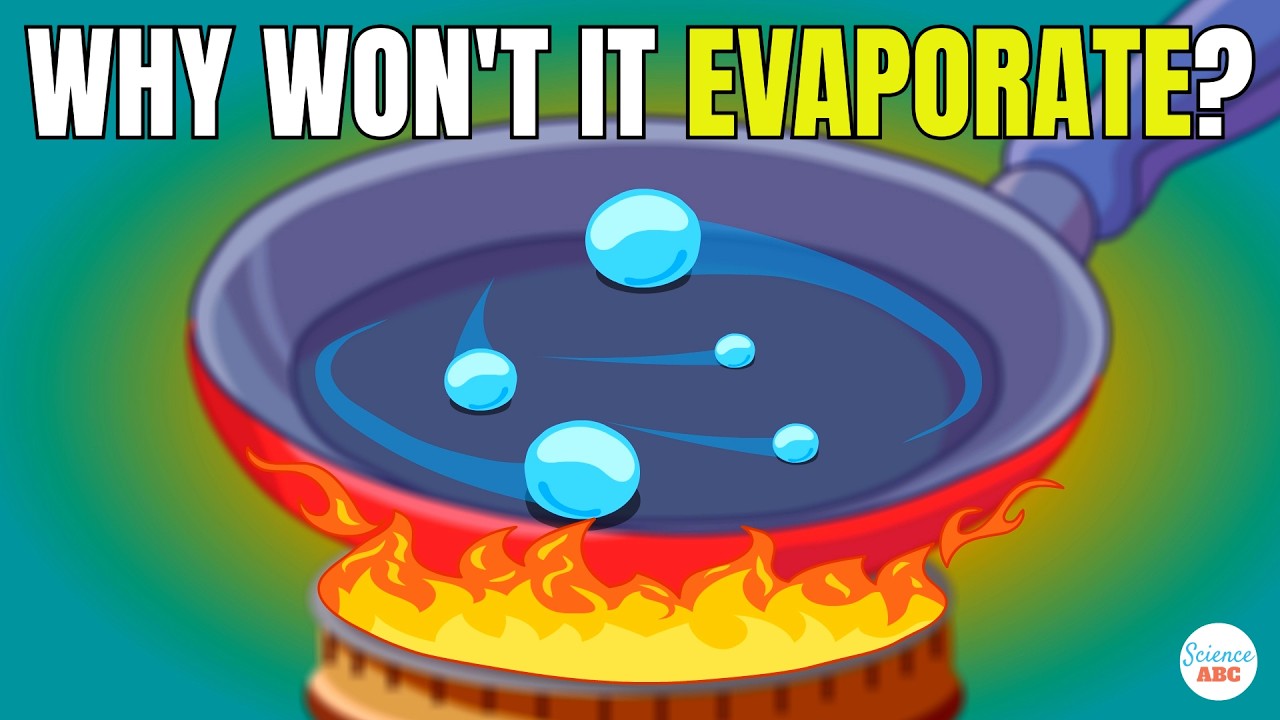
Why does sand burn your feet on a hot summer beach while the ocean right next to it stays refreshingly cool? The answer is one elegant physics concept: specific heat capacity. In this video, we explain — in simple words — what specific heat capacity actually is, the formula behind it (Q = mc∆T), why water resists heating up so much more than metal, and how this single property shapes everything from cooking pots to climate to celestial bodies.
Whether you're a high-school physics student, a curious learner brushing up on thermodynamics, or someone who's just wondered why a copper pot gets scorching hot before the water inside it warms up, this explainer breaks it all down with everyday examples.
CHAPTERS:
0:00 – Introduction
0:10 – Why Sand Burns Your Feet But Water Stays Cool
0:32 – What Determines Specific Heat: Material and Mass
1:18 – The Formula: Q = mc∆T
1:38 – Why Metals Heat Up Faster Than Water
2:27 – Specific Heat in Astronomy and Weather
2:52 – Specific Heat in Engineering and Daily Life
WATCH NEXT:
▶ Archimedes Principle Explained – https://youtu.be/wChr0hCga5g
▶ Atomic Models Explained – https://youtu.be/v48u8hjqNBU
▶ Electromagnetism Explained – https://youtu.be/nllCgjlWAF4
KEY TOPICS COVERED:
• What specific heat capacity is and how it's defined
• The Q = mc∆T formula explained step by step
• Why sand heats up faster than ocean water under the same sun
• Specific heat values for water (4.184), aluminum (0.90), and copper (0.385) J/g°C
• Why metals heat up faster than water
• How mass affects how much heat an object can absorb
• Real-world applications in astronomy, weather forecasting, building HVAC, cooking, and laundry
#SpecificHeatCapacity #Physics #Thermodynamics #ScienceExplained #ScienceABC #PhysicsForBeginners
REFERENCES:
https://hyperphysics.phy-astr.gsu.edu/hbase/thermo/spht.html
https://chem.libretexts.org/
Voice Over: John Staughton (https://www.fiverr.com/jswildwood)
SUBSCRIBE for more science explainers!
https://www.youtube.com/channel/UCcN3IuIAR6Fn74FWMQf6lFA?sub_confirmation=1
Follow us:
Twitter: https://twitter.com/abc_science
Facebook: https://facebook.com/sciabc
Instagram: https://www.instagram.com/scienceabcofficial/
Website: https://www.scienceabc.com
Copyright Science ABC. For licensing inquiries: admin@scienceabc.com