⚡️ Join my monthly newsletter for exclusive goodies:
https://mizko.net/newsletter
⚡ Get 3 FREE months on a Pro annual subbie!
https://mizko.net/framer
---
Become a highly-demanded Product (UX/UI) designer with me:
Master Figma with my Ultimate Figma Design Masterclass (6,800+ students)
👉 https://thedesignership.com/courses/the-ultimate-figma-masterclass
Practical UX Research & Strategy Masterclass (700+ students)
👉 https://thedesignership.com/courses/practical-user-research-strategy-course
Shipfaster UI - Advanced Figma Design System (3,000+ designers)
👉 https://thedesignership.com/products/figma-design-system/
Outline - Figma Wireframe Kit (500+ designers)
👉 https://www.thedesignership.com/products/outline-wireframe-kit
Follow me on IG (Daily updates):
👉 https://instagram.com/themizko
---
Follow and learn with me:
Become a legendary designer: https://thedesignership.com
Personal portfolio: https://mizko.net
Instagram: https://instagram.com/themizko
LinkedIn: https://linkedin.com/in/mizko
Оглавление (3 сегментов)
Segment 1 (00:00 - 05:00)
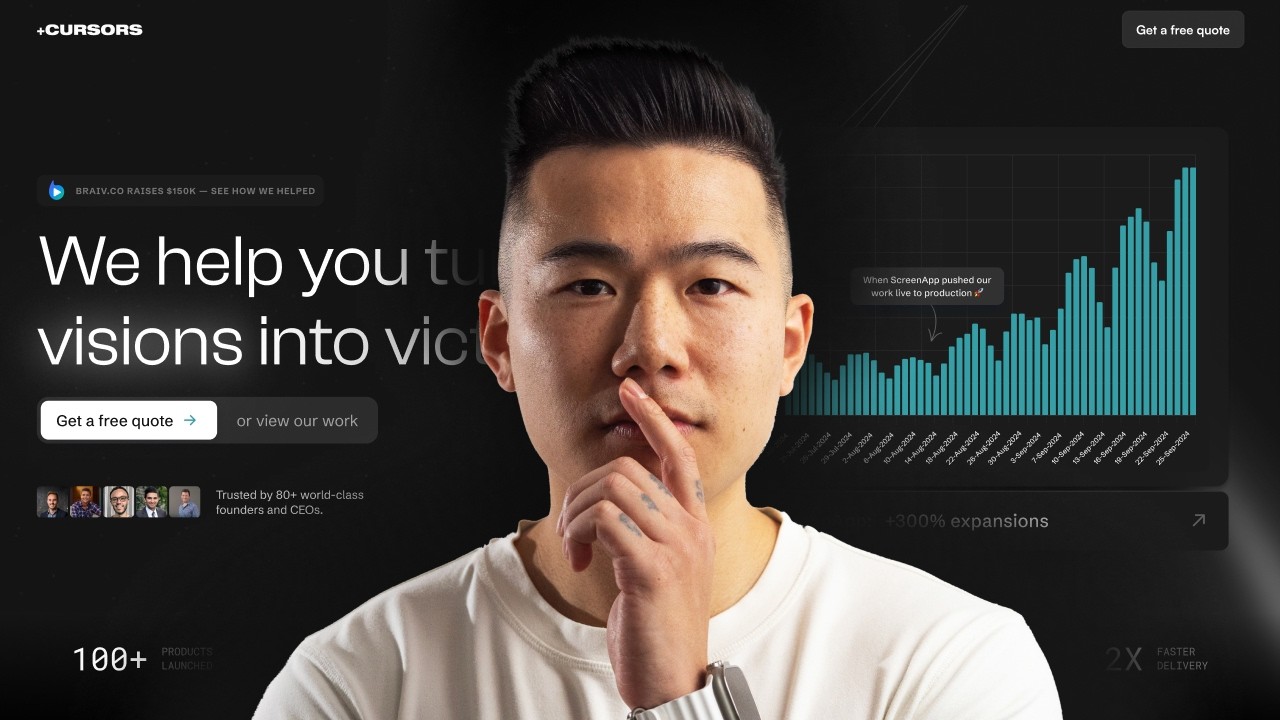
This is exactly how I built our studio's new portfolio site in just 5 days. It also generated us three new leads in just 24 hours. And the best part, we didn't even need a developer. We built the entire thing using Framer. So, watch closely because I'm going to show you the exact three steps that I used and it's probably not what you expected. You see, most design studios focus on making their portfolio as visually impressive as possible. But after launching 15 new portfolios over the last 15 years, I discovered something surprising. The most beautiful version doesn't always perform the best. Today, I'll show you the counterintuitive approach that actually works and how we implemented it for our own studio, More Cursors. Now, before I show you how we built our portfolio, we need to talk about the biggest mistake most studios make. They treat their portfolio like a design showcase when it's actually something a little bit different. You see, while browsing through awards and dribble, you'll see stunning studio portfolios with incredible animations and meticulously crafted designs that take far too long to build. But here's the thing, those sites often don't work. They're designed to win awards, but not actually sales. The real purpose of a portfolio isn't to impress other designers. It's to convert potential clients into actual clients, meaning more money in your pockets. This means every decision needs to be focused on one thing. Helping clients envision working with you. When I analyzed our most successful client relationships at More Curses, I noticed something pretty interesting. None of them mentioned our sites, animations, or cutting edge design. Instead, they consistently mentioned three key things. First, how clearly we communicated with them. Second, how well we understood their industry and their challenges. and third, how easily they could see the business impact of our work. This completely changed how we approached our new portfolio. Instead of trying to create the most impressive design showcase, we focused on building a conversion tool. First, it speaks directly to our ideal clients's needs. It ensures they know exactly how we're different. It shows clear, measurable results and it makes it obvious how we can help them. Now once we made this mindset shift, everything else became clearer. Our portfolio wasn't about us. It was about your clients. This realization led to our major decision in building the new site, which is the most important question wasn't how do we make this look amazing, but rather what do clients need to see first? We jump straight into Framer to quickly mock up the structure of our homepage. Our goal was to answer three questions our potential clients needed answered in this exact order. So, first, can this studio solve my specific problem? Then, have they done it successfully before? And third, why should I engage them over others? So, we structured our entire homepage around this specific journey. The hero section intentionally positions us as a strategic, datainformed and outcomes focused firm, not just a design studio. Clients ultimately want to feel confident that their product is going to make money. And that is why our headline and imagery answers that concern. So if potential clients are asking, can this studio solve my specific problem? Yes. To ensure we build as much trust as possible in the first few seconds, we social proofed our claims with credible brands, investment firms, and photos of our clients to add a human touch to it. So, if potential clients are asking, have they done it successfully before? I guess so. Now, the hero section to our site had enough going on, but we still needed to answer the third question. Why should I engage this team over others? To answer this question, I decided to keep it really simple and keep it raw. For anyone that was actually interested in hiring us, they would be led to a short story where we specifically let the potential client know we understand what they're going through and we are confident we can support them. I've worked in the affiliate marketing space before and boring landing pages or also known as squeeze pages actually perform very well. and in most cases perform much
Segment 2 (05:00 - 10:00)
better than overly designed web pages. So below this, we had a section dedicated to outlining what we offer, our case studies, a wall of testimonials, and finally a section that reinforces our key unique difference, which is a section where we just talk about how we eat our own dog food, which hopefully builds further trust with potential clients because we're confident in what we do for them. We also made some controversial decisions. We actually moved the contact form and prioritized booking a discovery call with us in just two clicks and we removed the majority of our case studies and focused on just a few ones. The beautiful thing was that we were designing and doing everything in framer. We were actually building the live site at the same time helping us reduce the effort by over 50%. There was no need for separate design files and the development handoff. The speed of building a framer meant we could finally focus on what really mattered, the content and the strategy. Now we need to think about how to actually handle the case studies. Since we only had 5 days to launch an entirely new site, we needed to ensure that we were making the most out of our time. I know this might sound crazy and very unconventional, but I personally don't think full-fledged case studies are the most important assets for an online portfolio. Here's something you probably didn't realize. In the 6 years I ran a design agency, I had zero published case studies and I still generated over $5 million in design work. All I had was coming soon case studies. So to ensure we were to hit our timeline, we used framers collections feature which is like a database and dynamically generated our coming soon case studies within just a few clicks. This saved us a ton of time because we didn't need to manually create them. Ultimately, our goal was to use our portfolio to generate just enough interest from potential clients to book a call. And then once we were on the core, we would serve them the five-star work face to face. Since we've automated the case study setup on Framer, adding new projects will be as simple as clicking new item and uploading a couple of images and voila, it will all be completed. But there was still one missing piece. How we actually built the portfolio site. Now, this is usually the part where I'd walk you through the development process, the coding challenges, deploying to servers, and how we overcame technical hurdles. But here's the thing, as I've mentioned countless times in this video, we already built the site. As I mentioned before, every layout we created, every component we styled, every interaction we added, it was all ready to go live. Building a responsive views was as easy as clicking the plus icon for a new breakpoint and then rejigging some of the elements and it's all ready to go. No developer handoff. No back and forth about specifications. No, that's not possible to build. We just hit publish. That's the beauty of building within Framer. When you're designing, you're actually building. And when you're building, you're actually designing. It's the same goddamn thing. So those five days weren't spent back and forth between design and development. They were spent focusing on what actually matters. Getting the strategy right, crafting the content, making sure it converts, and the results speak for themselves. Within 24 hours of launching, we had three qualified leads from ideal clients. multiple positive comments about our clear positioning, awesome chart and hero section, increased engagement on key sections. Now, remember, a successful portfolio isn't about winning design awards, unless that's what you actually want. For me, it's about just winning clients and landing jobs. I treat it like a business. By focusing on what truly matters to our clients and using the tools that speed up our execution, we created a portfolio that actually performs. And if you're building your own portfolio site, remember these three principles. First, make your unique value proposition clear, crystal clear. Don't overcommit to your visuals. Instead, focus on the content. And third, lead with client outcomes with real numbers, not design features, and don't make your life any harder. Use existing tools like Framer that actually help you get the job done faster so you don't procrastinate, and you can actually get your portfolio out live. But don't forget, once your portfolio is
Segment 3 (10:00 - 10:00)
live, you can always update it. You can always make it better, and you can always improve it. The main thing is to actually get it out on the day that you have decided to get it out on. So, with that said, hopefully you enjoyed this video. If you did, make sure to smash that like button, subscribe for the Die Hard fans, and if you made it this far, let me know in the comments what color shirt are you wearing. With that said, I'll see you in another video very soon.