How a Director Tells You Where to Look
Machine-readable: Markdown · JSON API · Site index
Описание видео
How Director's guide our eye without cutting. Today, we look at all the tools filmmakers use to direct your attention.
Subscribe to StudioBinder Academy ►► https://bit.ly/sb-ad
StudioBinder Blog ►► http://bit.ly/sb-bl
─────────────────────
Chapters
00:00 - Introduction to Directing the Eye
00:40 - Chapter 1: Framing
03:52 - Chapter 2: Production Design
05:55 - Chapter 3: Lighting
07:56 - Chapter 4: Sound
11:00 - Takeaways
─────────────────────
FILMMAKING 101
A great director tells you where to look. When edits are removed as a tool, the director must rely on visual and auditory hierarchy to guide perception. Framing, lighting, and sound work together to create emphasis and direct the eye moment by moment.
FILM COMPOSITION
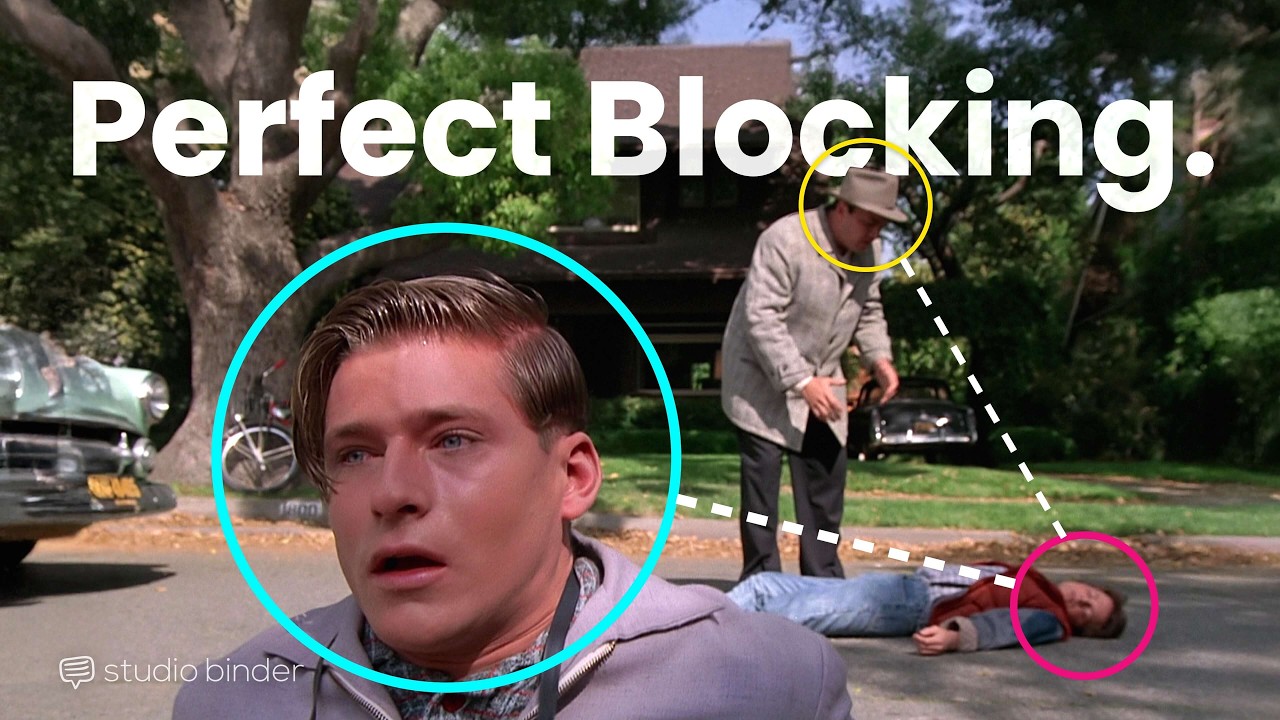
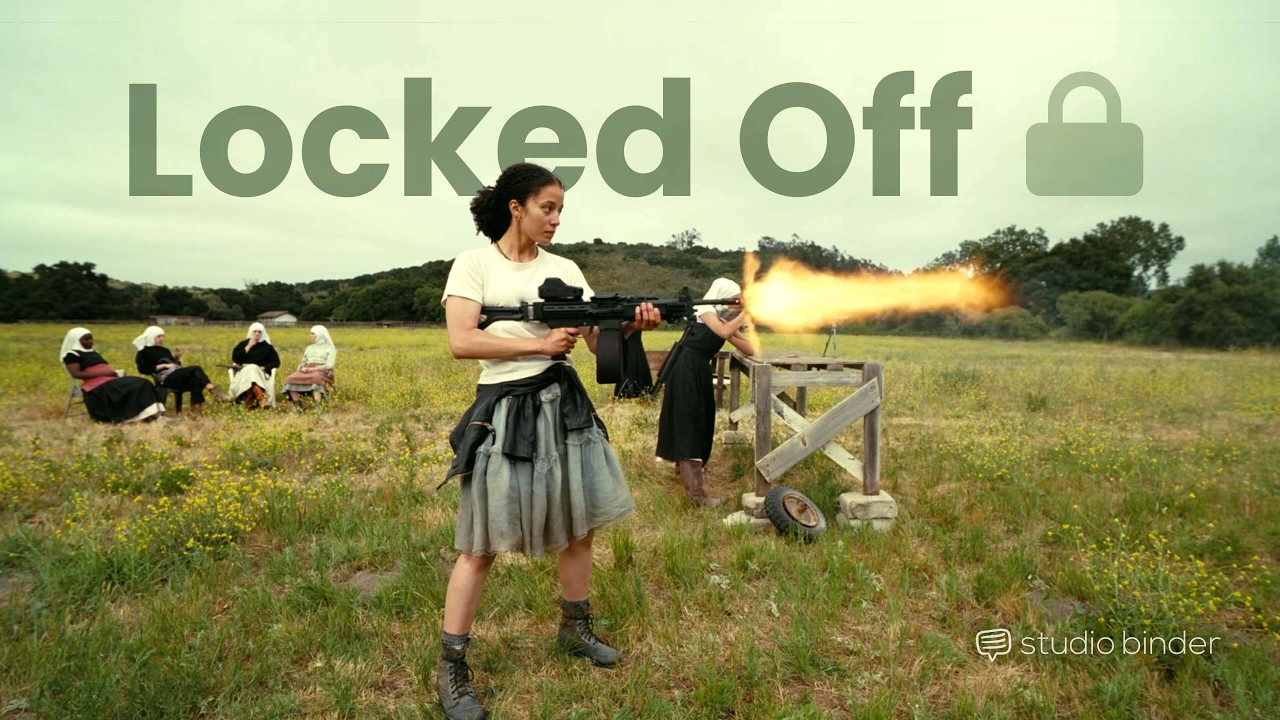
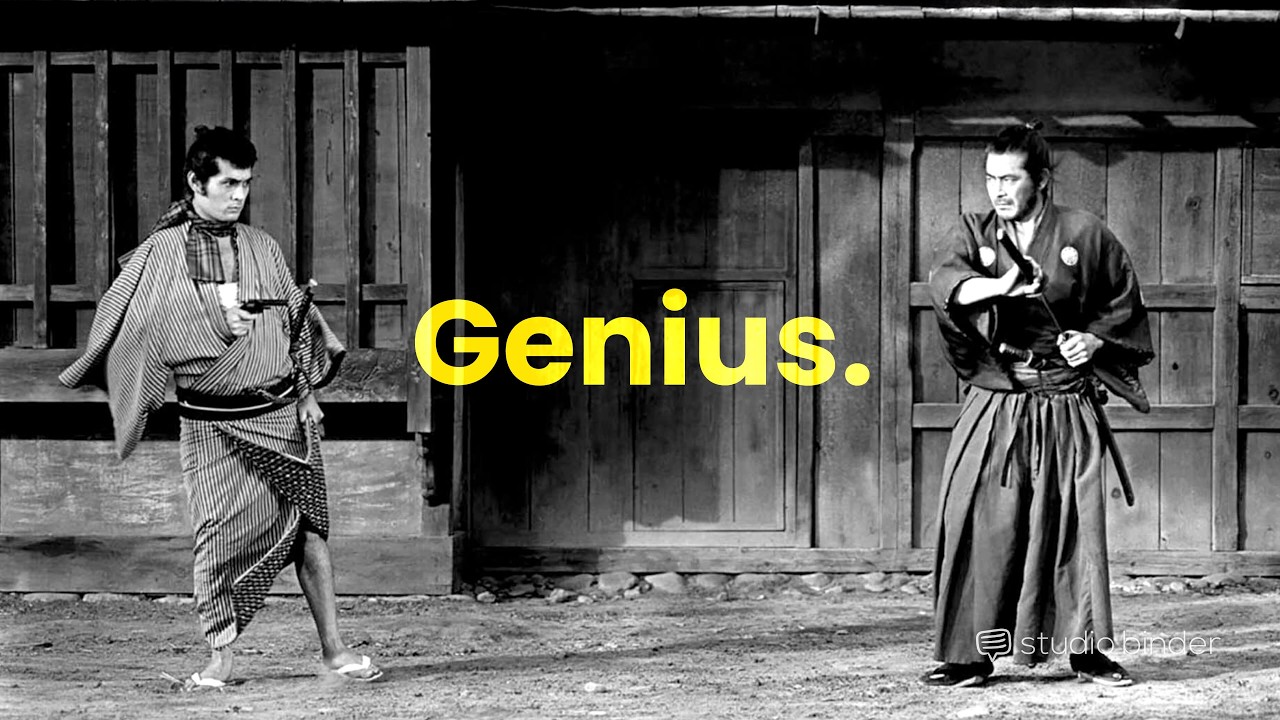
Framing is the most immediate way to control attention within a single shot. The placement of subjects in the frame establishes priority: elements closer to the camera, centered compositions, or figures isolated against negative space naturally draw the eye. Blocking is crucial here. Depth also plays a major role. Using foreground and background allows attention to migrate within the frame without a cut. A rack focus can subtly redirect attention from one plane to another, but even without focus pulls, movement within a layered composition will guide the viewer toward what matters most.
CINEMATIC LIGHTING
The human eye is drawn to brightness before anything else, so the brightest area of the frame tends to become the focal point. By selectively lighting a subject while allowing surrounding areas to fall into shadow, a director can isolate important information without changing the shot. Directional light can also shape attention by sculpting faces or objects, using highlights to pull focus toward specific details. Remember, lighting can also evolve within a shot to redirect attention over time while maintaining continuity.
HOW TO DIRECT SOUND
Sound is a powerful but often underestimated tool for guiding attention without cutting. A distinct sound cue can pull focus to an offscreen or background action before the viewer consciously sees it. Dialogue placement, volume, and clarity matter as much as visual emphasis; the ear often leads the eye. By slightly lowering ambient sound or emphasizing a specific audio element, a director can cue the audience to anticipate importance. Used carefully, sound can steer attention independently or reinforce visual cues, ensuring the audience looks where the director intends without ever needing to cut.
#FilmTheory #VideoEssay #Filmmaking
─────────────────────
♬ SONGS USED:
"River of Hills" - Jonny Greenwood
"What Floor?" - idokay
"Moving Moon" - Luke Atencio
"III Courante" - Brooklyn Classical
"High and Low" - Masaru Sato
"King of Cups (Instrumental)" - Jim Swim
"The Name's Bond... James Bond" - David Arnold
"Pita's Room" - Harry Gregson-Williams
"You Need A Mask" - Daniel Pemberton
"Distant Memories" - James Horner
"Winter Lady" - Leonard Cohen
"Run To The Church" - James Newton Howard, Pete Anthony
"Llamama" - Semo
"Time Warp" - Notize
"New World" - Ian Post
"Still Need Syndrome" - Yarin Primak
"Still No Result" - Volker Bertelmann
"Principia" - Mike Steele
"Eternal Spring" - Tony Anderson
"Unwind" - Mansij
Music by Artlist ► https://utm.io/umJx
Music by Artgrid ► https://utm.io/umJy
Music by Soundstripe ► http://bit.ly/2IXwomF
Music by MusicBed ► http://bit.ly/2Fnz9Zq
─────────────────────
SUBSCRIBE to StudioBinder’s YouTube channel! ►► http://bit.ly/2hksYO0
Looking for production management solution for your film? Try StudioBinder for FREE today: https://studiobinder.com/pricing
— Join us on Social Media! —
Instagram ►► https://www.instagram.com/studiobinder
Facebook ►► https://www.facebook.com/studiobinderapp
Twitter ►► https://www.twitter.com/studiobinder
#FilmTheory #VideoEssay #Filmmaking