Faculty Talk: Thinking Like an Entrepreneur
11:23

Faculty Talk: Thinking Like an Entrepreneur

Columbia Business School 21.07.2026 80 просмотров 3 лайков

Machine-readable: Markdown · JSON API · Site index

Поделиться Telegram VK Бот
Транскрипт Скачать .md
Анализ с AI
Описание видео
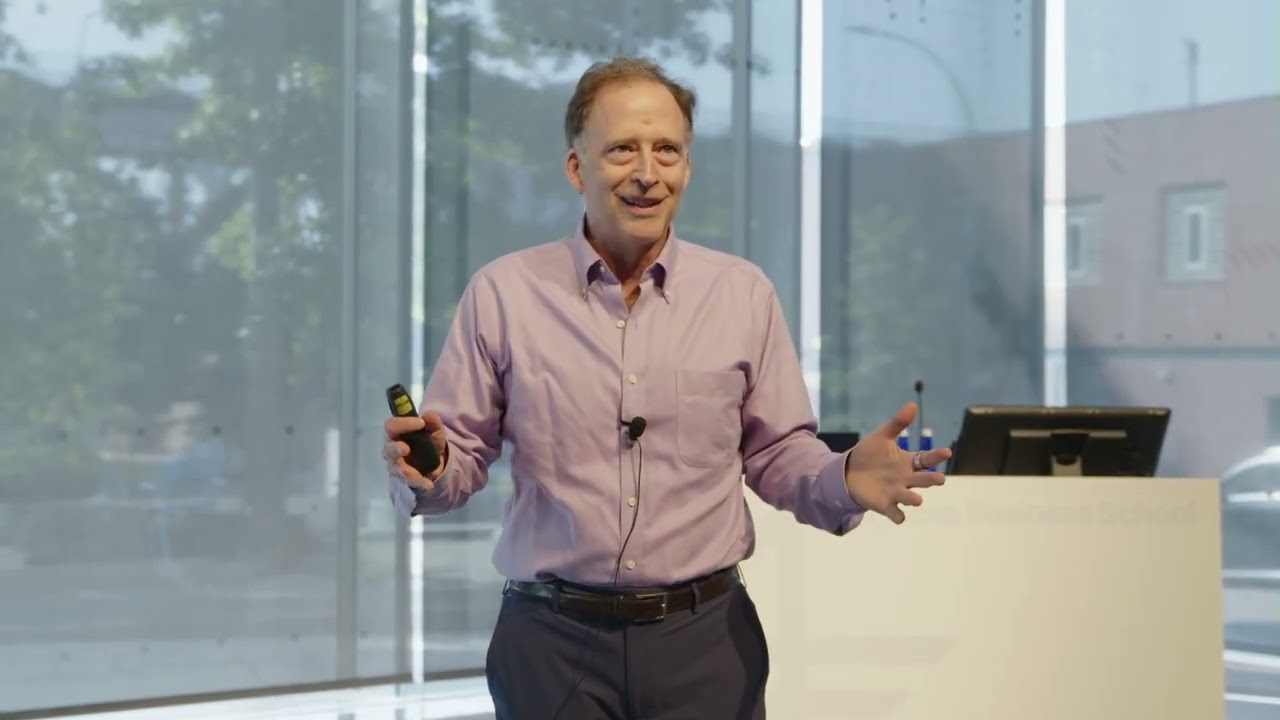
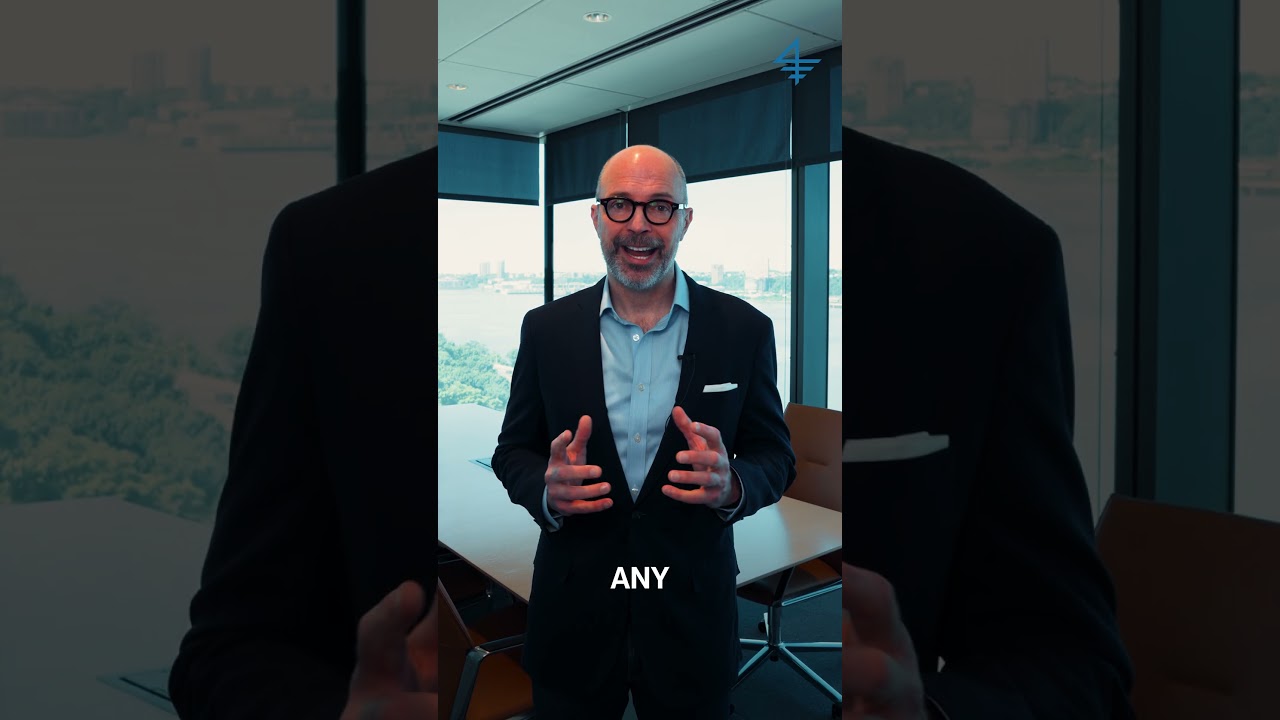
Jorge Guzman, Gantcher Associate Professor of Business, Management Division; Faculty Co-Director of the Eugene M. Lang Entrepreneurship Center.
Оглавление (3 сегментов)

Segment 1 (00:00 - 05:00)

Um, hi everybody. I'm Jorge Husman. Um, I teach a class here at Columbia Business School called Entrepreneurial Strategy. And so today, I thought I'd bring you a tidbit of what I teach in that class by telling you about thinking like an entrepreneur. Entrepreneurial strategy is about trying to understand why do some startups do very well and others do not. And one way you kind of start thinking about that is by for example asking investors what characteristics really define whether they want to invest into a company or not. And when you ask venture capitalist for example the top category by far is the founder. The founder more than the team the pro sorry more founder and the team more than the product the market the the sort of technology. uh it is the people making the startup and you and so you wonder what is it about uh about the founder that really makes a difference and you know one person that thought a lot about that was Sam Alman before open AAI he was president of Y combinator and sort of he says another question we get all the time is what makes a really great founder he says there are two phrases that come to mind if I were trying to pick what our top 10 most successful founders would have said when they were interviewing uh when we were interviewing I'm I always figure it out and I never give up. And everybody thinks it is about how smart they are or their domain expertise or their networks connections, but it really is this kind of personality trait that spirit is the most important factor in successful founders. And so what is it and what do we know about these personality trait about these way entrepreneurs approach problems that um is sort of systematic that can help us understand uh what it's like to think like an entrepreneur. And so I thought I'd bring you a couple of kind of things that are actually known about this that you might find helpful. Uh so to do that I'm going to tell you about two studies. The first happens at the Cambridge Innovation Center. The Cambridge Innovation Center is in Kendall Square in Cambridge, Massachusetts and it has um sort of a lot of startups and it gives access to different sort of actors in the startup scene that together um allow really sort of pinpointing the differences between founders or not because they're going to because it allows comparing founders to other employees of startups to people that are working on the innovation of a startup that are not founders themselves. and even CEOs that are running startups but that did not initially found them and you know the first thing that they find is that founders are have a strong preference for risk. This is the case when they ask them how much do they typically enjoy taking risk. You know, financial risk? And uh even when you do these rebuild choices where you give different lotteryies, um you know, founders end up taking the risky choice. And so even when fa if faced with the same odds of different choices, entrepreneurs typically end up choosing things that are more riskier. Second, they go and look through uh what's called big five personality uh which is about the way you relate to your environment. And so first they look at conscientious at sorry at um at openness um and openness uh founders do end up higher. You know they're more excited when a new opportunity comes along, something else is happening to just engage with that and sort of see if that can be interesting. Then they look at conscientiousness which is thor which is sort of how thorough you are with your own work when you're doing this. No difference. Extraversion. Are you excited when you talk to others or you feel more sort of wiped out by meeting other people? No difference. And agreeableness. Do you put your needs first or of others first? Also no difference. And this is sort of um these three in the middle. There's a second pattern we see when we look at founders also quite validated um by practitioners which is that even though founders you know take risk and are open if you think they're sort of more introverted more extroverted more sort of detailed oriented or not that turns out you shouldn't overindex on that it turns out to not be that important um I often think of Steve Jobs and Bill Gates both extremely successful close competitors very different personal ity in these dimensions. Uh the next one is neuroticism. Neuroticism is sort of how affected you are by negative events. Maybe you got passed on a promotion, maybe you met a customer and it didn't work out, maybe you did a pitch and things didn't work out. And some people you're sort of down on theirelves when these things don't work out. Other people can move through that relatively quickly. Uh founders sort of have lower neuroticism, meaning they can move through these things quite quickly. They don't get hung up emotionally by that. Uh next thing oh he you know this

Segment 2 (05:00 - 10:00)

is also consistent with um Ben Horowit stake which he says you know building a company you make a lot of mistakes those mistakes are extremely damaging you feel terrible about it because you hire all these people you sold them on this great idea then you make a mistake and everybody gets hurt and if you're not it sort of is he says and if you've not kind of been in a position like that uh it can be highly psychologically challenging kind of emphasizing it is about kind of moving through to these failures as Um finally um they also look at how overconfident founders are and I'll tell you the three variables that they look at very quickly. First is called self-efficacy. Uh do I believe I can I have sort of the skills to do the task necessary to do what's ahead of me and of course founders are huge outliers or entrepreneurs really believe they can get it done. Uh second uh there's something called locus of control. Even if I believe I have the skills, do I believe actually the world depends on my choices or for example I grew up Catholic and where I grew up even though I might have the skills a lot of the outcomes would depend on things outside of my control God will provide etc. founders believe the world really depends on their own uh sort of choices. They you know they'll get what they put out and they also have high need for achievement. And so that's the first space. It tells you a lot about founders, but it doesn't touch it on one thing that is often kind of quite salient. Uh that perhaps connects closer to that initial Sam Alman statement, which was founders are also sort of optimistic, right? They kind of just assume things are going to go well. And so to do that, a different team look at the something called the survey of consumer finances. They finances uh was administered by the census to look at financial decision-making. But one of the things that they ask is uh about how long do you expect you will live right? And it turns out that you know they use the measure where people overestimate their expectation of how long they will live. Um you know in general people overestimate that significantly. Uh but founders tend to overestimate that even more. They just seem more optimistic about things. In fact um I believe that the result is here. Uh 7% of the population expects to live to 100 even though 03 actually does. I expect to anybody here expect to live to 100. There we go. I 100 and I don't know why I don't make better health choices than anybody. Uh you know my parents sort of normal health but somehow it's just going to work out. And so uh you know they find there's sort of a level of prudent optimism where people you know they're not irrationally optimistic. They're not just betting the money in the casino and hope things work out, but they have a certain uh positive expectation as things come through that actually allows kind of things to move forward, especially when facing uh significant uncertainty. Entrepreneurs are optimists. Uh 18% expect to live to 9 years old. Uh and in part that leads to that comes through uh better choices. Um in particular, the way optimism uh supports founders is that think about it. Um you might think by the way if you were here at your MBA that actually optimism should be bad for you right optimism like a lot of your discounted cash flows that you learn a lot of your sort of all that Excel work etc was about you might say learning to be a realist right learning to see things as they are rather than some rosy picture and so if you were only coming at it that way then optimism would be mostly distortionary but when you're facing some long-term uncertainty choice. Um, expecting things to work out actually allows you to put more in. For they make better health choices. Why? Uh, because if I'm expecting I'm going to live a long time, then it really matters that I have a good health. Why invest in education? Well, because I think it's going to pay off over the future. And that also comes down to uh to the effort that they put into their company. So, optimism motivates. That's the first thing we know. Especially when things are uncertain when you don't know if something's going to have a five probability of success, 5% probability of success. The expecting it to be a little bit better actually supports you in being able to put in the work because that's sort of a higher return to your effort. The second thing about optimism is that even if behaving optimistically, even if you weren't, turns out to be helpful. And the reason is that you imagine you're a rational investor and you get the choice to invest in a realistic entrepreneur that tells you, you know, I'm here and I recognize that six, what's the statistic? Six out of seven startups fail in 5 years. I'm no particularly special person. So that's, you know, would you like to place a bet in this company? [snorts] It seems unexciting, right? Whereas somebody that is optimistic and says I hear the statistics but I think here

Segment 3 (10:00 - 11:00)

this is going to work and here's some reasons etc uh would make you more willing to invest in that and so even if you're acting as a rational investor you kind of want to invest in that optimistic founder. If you're joining a startup same thing right you want to kind of join that optimistic founder and so kind of behaving optimistically actually allows you to attract the resources that actually allow you to in turn succeed. Do we see that kind of sequencing? And so in that sense that kind of brings us back to Sam Altman and we and sort of what he called tena, you know, determination. Uh I always figure it out. Um some people also call that tenacity, just kind of a willingness to keep pushing through as things kind of come up. we can sort of make sense that it's supported in part by this willingness to kind of maintain a relatively positive outlook in the future as well as some of the other characteristics that I showed you. And so all I wanted to do was tell you a little bit about we're teaching nowadays um and how the science and psychology of entrepreneurs actually connect to those sort of statements that you hear in practice uh to understand why some startups really succeed while others that look observably similar beforehand do not. Thank you very much.

Другие видео автора — Columbia Business School

Ctrl+V

Экстракт Знаний в Telegram

Экстракты и дистилляты из лучших YouTube-каналов — сразу после публикации.

Подписаться

Дайджест Экстрактов

Лучшие методички за неделю — каждый понедельник