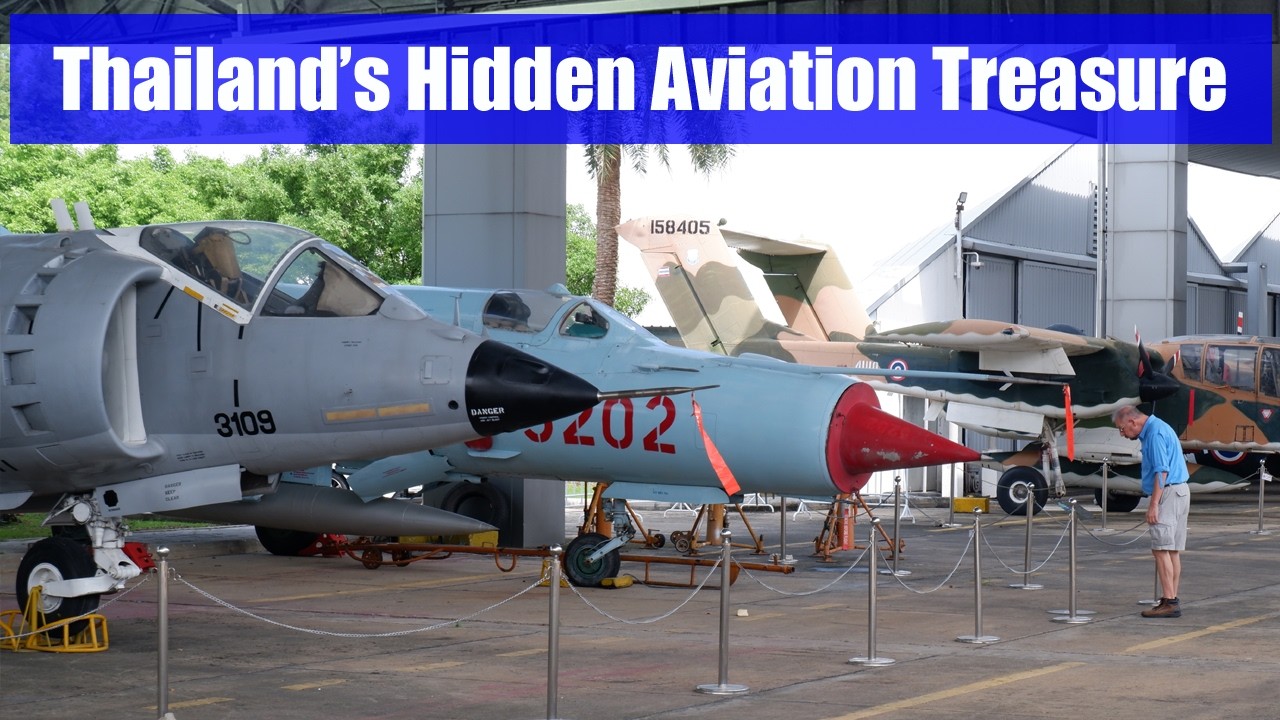
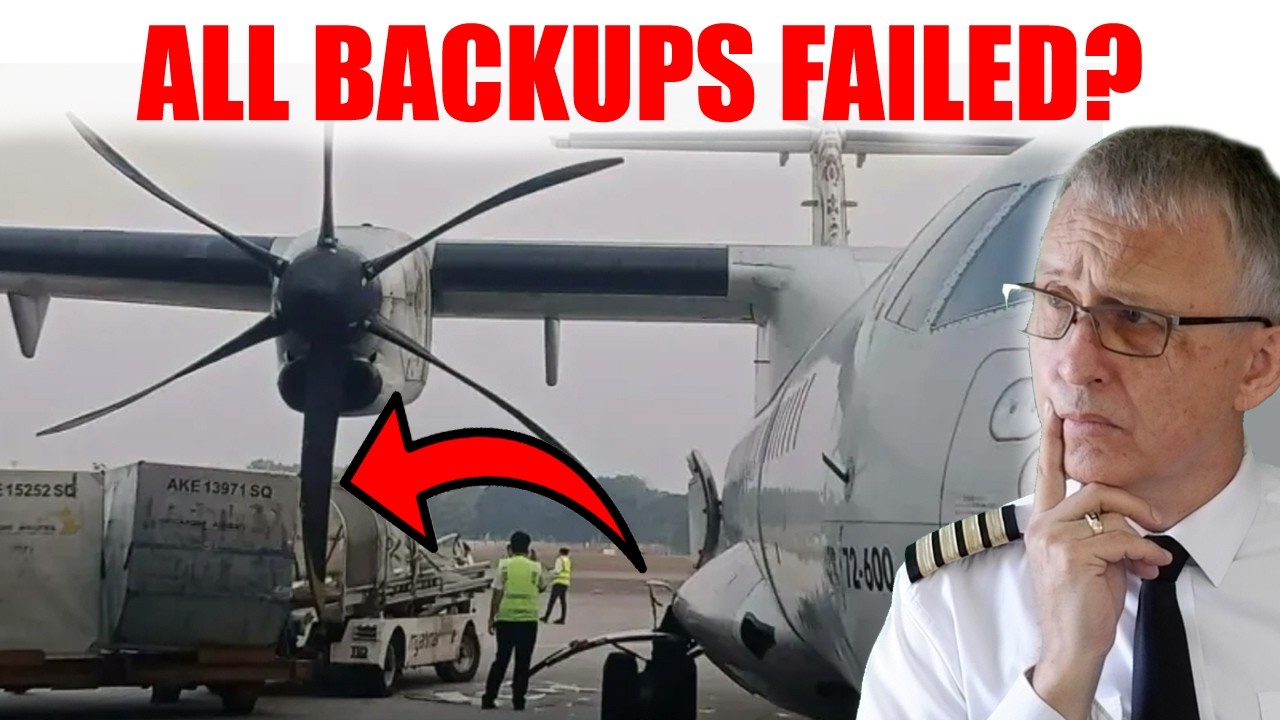
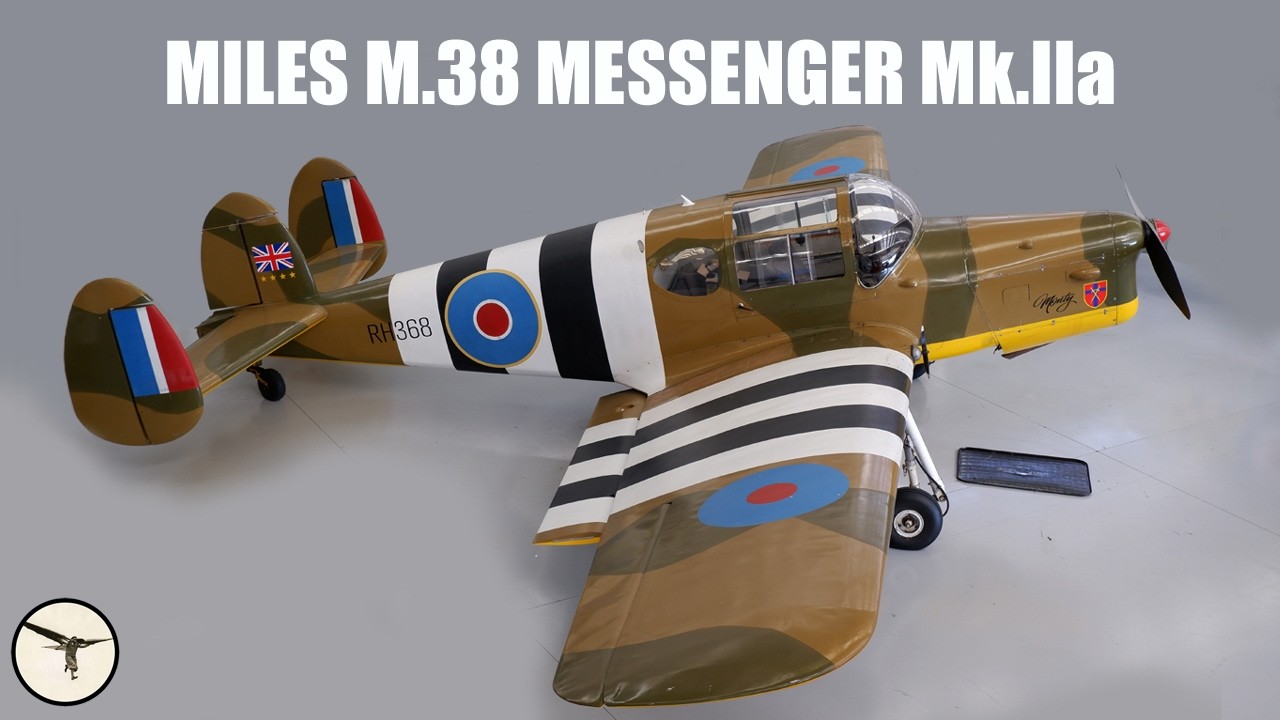
ATR 42 serial number 20 was among the earliest of its kind. Its maiden flight took place in June 1986. Fast forward to June 2019, and it made its final landing. Gear up. So, what went wrong? This is a tale of neglected maintenance, misjudgment, and the sneaky power of confirmation bias. Buckle up. This is going to be interesting. Hello aviators, how are you today? My name is Magnar Nordal, and I am a retired ATR captain and instructor. Let me ask you a simple question: Is it important to truly know your aircraft? I firmly believe it is, and I’d like to share a story that illustrates what can happen when you don’t. Picture this: a poorly maintained aircraft, operated by a crew who didn’t fully understand what had gone wrong. That’s a dangerous combination, and a perfect example of how a small problem can quickly escalate into a much bigger one. The ATR 42 entered service in 1985. What you’re looking at here is the third prototype, painted to resemble the very first one. The original production model was the 42-300, soon followed by the 42-320, which featured more powerful engines. 25 years ago I began flying the ATR 42-320 while working for Coast Air in Norway. We used to operate it into a 800-meter runway along the rugged western coast. Eight years later, Coast Air was gone, and I began a new chapter as an ATR instructor; traveling the world to share what I’d learned. But that’s a story for another day. If you’re interested in hearing more, check out my conversation on the Jet Set Go Podcast, where I dive into my aviation journey in more detail. On the 23rd of June 1986, ATR 42 serial number 20 took to the skies for the very first time. It was among the earliest 42-320 variants ever built. Just a month later, the aircraft was delivered to Aero Trasporti Italiani (ATI). Three years on, it spent a brief period in Greece with Olympic Aviation before returning to Italy. After a stint in Myanmar, the aircraft eventually made its way to Brazil in 2004. By 2011, it had joined the fleet of MAP Linhas Aéreas, an airline based in Manaus, deep in the heart of the Amazon. The aircraft continued flying with MAP for another eight years, until its final, ill-fated flight on the 15th of June 2019. To understand what went wrong that day, we first need to take a closer look at the aircraft’s electrical system. The ATR features a sophisticated electrical system designed with multiple busses and alternate power sources to ensure redundancy and reliability for critical systems onboard. A bus is a metal bar used to distribute electrical power to multiple systems. At the core of the system are six key buses powered by two onboard batteries: the Hot Emergency Battery Bus, Hot Main Battery Bus, DC Essential Bus, DC Emergency Bus, DC Standby Bus, and, via an inverter, the AC Standby Bus. These buses support the aircraft’s most vital functions in the event both generators fail. The two DC generators not only keep the batteries charged but also supply power to two primary buses; DC Bus 1 and DC Bus 2, which handle general electrical loads and various service functions. In addition, two inverters convert DC to AC power, supplying three AC buses with constant frequency power for systems that require alternating current. Here are some relevant systems powered by those busses: DC emergency bus: VHF 1 radio, primary pitch trim, and blue hydraulic pump control. The aircraft has two hydraulic systems, called blue and green. And this bus provides the electrical power needed to control the blue pump. AC standby bus: Flaps indicator. Captain’s instruments. DC standby bus: Flaps control, and landing gear control and primary indicator. DC essential bus: The interphone that enables communication between the pilots. DC bus 1: The autopilot. DC bus 2
Segment 2 (05:00 - 10:00)
Green hydraulic pump control. The green hydraulic system provides landing gear retraction and extension. Remember that. DC bus 2 also powers the secondary landing gear position indicator, which also sends signal to the crew alert system if the landing gear is not fully extended when the aircraft descends below 500 feet. In addition, the aircraft has two AC generators attached to the propellers, delivering AC electrical power with variable frequency, therefore called AC “Wild”. Those generators supply systems needed for flight, such as the hydraulic pumps and ice protection systems. If you want to know more about the electrical system and the hydraulic system, please check out those videos. The flight crew was considered highly experienced. The captain had logged a total of 12,300 flight hours, including 5,600 hours on the ATR. The first officer had accumulated 5,000 hours, including 4,300 on the ATR. The captain had joined the airline earlier in 2019 and had recently completed his conversion training. While his overall performance during training was deemed satisfactory, he received the minimum passing grade in the "General Emergencies" segment. Following the incident, investigators reviewed the captain’s training history at his previous airline. The records revealed recurring challenges during simulator sessions, especially in manual flying, aircraft systems knowledge, situational awareness, and effective use of the Quick Reference Handbook (QRH), a critical manual for handling emergencies, abnormal procedures, and performance data. The first officer’s training record was better. Instructors noted a solid grasp of Crew Resource Management (CRM), though they also identified areas needing improvement, specifically in familiarization with the company’s Standard Operating Procedures (SOP) and deeper knowledge of aircraft systems. With that context in mind, let’s take a closer look at the flight itself; a short journey that quickly turned eventful. On June 15, 2019, at 12:39 local time, ATR 42-320 registered PR-MPN departed from runway 11 at Eduardo Gomes Aerodrome in Manaus, bound for Carauari Aerodrome. The flight was a scheduled public transport service with four crew members and 34 passengers on board. The captain was acting as pilot flying, while the first officer served as pilot monitoring. Shortly after the landing gear was retracted, the aircraft suffered a series of cascading electrical failures. The initial event was the failure of DC Generator No. 2. In theory, the loss of one generator should not have been critical. The remaining generator is designed to power all DC buses and both inverters via the automatic closure of the Bus Tie Contactor (BTC). However, in this case, the BTC failed to close, resulting in several key losses: the main battery stopped charging, power to the DC Essential Bus was lost, and Inverter No. 2 went offline. Even so, the situation was still manageable. Inverter No. 1 is capable of powering all AC buses. However, it was in poor condition. According to the accident report, Inverter No. 1 was able to supply the AC Standby Bus. However, the report did not determine whether the remaining AC buses were powered, though these buses were not critical for continued flight. As for the DC Essential Bus, it has a backup supply path through DC Bus 1. But that system also failed due to two malfunctioning contactors, leading to the loss of the DC Essential Bus. At this point, the aircraft was operating with only the following buses: DC Standby Bus, AC Standby Bus, DC Emergency Bus, and DC Bus 1. This configuration provided limited functionality; VHF Radio No. 1, standby instruments, and landing gear and flap control and indication were still available. Most other systems, including various warning alerts, were lost. Despite these limitations, the remaining systems should have been sufficient to complete the flight and land safely. Shortly after the generator failure, the captain asked the first officer what had happened.
Segment 3 (10:00 - 15:00)
The first officer correctly identified the loss of the Essential Bus; an important observation, as this failure results in the loss of key engine instruments: NP (propeller speed), ITT (turbine temperature), and NH (high-pressure spool speed). According to the crew’s testimony, the only flight instruments that remained operational were the standby airspeed indicator, standby artificial horizon, and standby altimeter. Additionally, the pitch trim was inoperative in both normal and standby modes, locked in a position consistent with takeoff. However, this account doesn’t align fully with the technical details seen in the report. For example, it was concluded the DC Emergency Bus was functioning because VHF Radio No. 1 was operational. The same bus powers the primary pitch trim, which the crew reported was inoperative. This implies that there may have been additional, undocumented failures affecting the aircraft’s systems. Faced with the loss of primary flight instruments, autopilot, and pitch trim, the crew decided to return to Manaus. They were flying in visual meteorological conditions (VMC) and requested a landing back on runway 11. Given the circumstances, it is easy to imagine the surprise and startle factor the crew experienced. Wanting to return to the ground quickly was understandable. But in any emergency, no matter how stressful, it’s essential to take a moment to evaluate the situation thoroughly before acting. The critical question is: Do I have control of the aircraft? In this case, the answer was yes, despite the difficulty caused by the inoperative pitch trim. While physically demanding, flight was still controllable. Had the crew taken a bit more time to assess, they may have noticed a more serious issue: The green hydraulic pump was no longer working. Why? Because it is controlled by DC Bus 2, which had failed. And why is the green hydraulic system important? It powers the landing gear. As the aircraft approached for landing, the crew completed the Before Landing Checklist, the only checklist used during the flight. During this checklist, the following exchange occurred: Captain: “Landing gear down? ” First Officer: “Landing gear... checked, landing gear down. ” Later, on final approach: Captain: “Landing complete? ” First Officer: “Landing gear. ” Captain: “Down, three green lights. ” But, as we know, the landing gear was not down. When questioned by investigators, both pilots claimed they saw the three green gear-down lights illuminated. How could this be? The most likely explanation is cognitive bias and muscle memory. In routine operations, flight crews often respond to checklist items almost automatically. It’s possible the captain gave the standard response without verifying the indication, and the first officer accepted it without cross-checking. Meanwhile, the landing gear handle had been selected down, but nothing had happened. Compounding the situation, the Ground Proximity Warning System (GPWS) had lost data from the secondary landing gear indicator, which was no longer powered. As a result, it couldn’t issue a warning that the gear was not extended. Just six minutes after takeoff, ATR 42 serial number 20 touched down smoothly on runway 11, with the landing gear still retracted. The aircraft came to a screeching stop, sustaining significant damage to the underside of the fuselage. It was subsequently written off. Two occupants received light injuries. That dramatic end marked the conclusion of a long and faithful service life for the ATR: 33 years in the air, with over 45,500 flight hours logged. Had the crew realized that the green hydraulic pump had stopped, could they have done anything? Yes, they had options. The ATR’s hydraulic system includes built-in redundancy. Plan A would have been to open the hydraulic crossfeed valve, allowing the blue hydraulic pump to pressurize both systems. With pressure restored, the landing gear could have been lowered normally. If that failed, there was still a Plan B: pulling the emergency landing gear handle. This would have released the gear to deploy using gravity and aerodynamic forces.
Segment 4 (15:00 - 20:00)
Post-flight inspection of the DC generator revealed that it had not been maintained in accordance with the manufacturer’s specifications. Findings included improperly assembled terminal contacts, damaged insulation, a non-approved retrofit speed sensor, excessive metallic dust inside the rotor, which was of a design not authorized by the manufacturer. Inverter No. 1 was also found to be in extremely poor condition. Its output voltage was outside the acceptable tolerance range, and several components showed signs of overheating. Instead of a single 2-ohm resistor, two 1-ohm resistors had been installed in series. Additionally, one diode related to overvoltage protection was missing, while another was short-circuited. The overvoltage and undervoltage protection settings were incorrectly configured. Despite these issues, the AC standby bus continued to operate. The failure of the DC Essential Bus was traced to two malfunctioning contactors. In one instance, a loose terminal prevented the component from functioning correctly. All discrepancies were ultimately traced back to improper maintenance practices. Here’s a simple method to identify lost DC buses in ATR aircraft with an EFIS cockpit: Check the engine instruments first. The torque indicators run off the DC emergency bus. The next three instruments — NP, ITT, and NH — are powered by the DC essential bus. Engine 1’s oil and fuel instruments are supplied by DC bus 1. Engine 2’s 2. Lastly, if the DC standby bus is lost, you’ll see an under-voltage alert on the overhead panel. What is the morale of this story? When the going gets tough, don’t rush. Take a deep breath, lean back, and assess the situation. What’s working? What’s not? Communicate with your colleague. Share your observations, analyze the problem together, and agree on a plan before taking action. In this accident, improper maintenance played a critical role. A grounded aircraft doesn’t generate revenue, so it should be a top priority for company management to maintain a strong and effective maintenance organization. There are also important lessons for the training department. Most pilots can fly perfectly on autopilot when everything works as expected. But if a pilot struggles with understanding systems or emergency procedures during training, that’s a warning sign. Unfortunately, many accident reports mention poor training records, especially for captains. I have met experienced captains who don’t pay much attention to how aircraft systems function, saying, “I just follow the checklist. ” The problem is, checklists don’t cover every possible failure combination. What pilots truly need is a solid understanding of the systems and how they interact, especially the electrical system. Let me share a true story. Do you remember this picture? In 2015, an ATR 72 crashed in Taiwan. This was the company’s second fatal accident within seven months. The first, TransAsia Flight 222, descended below approach minima and crashed, killing 48 people. The second, TransAsia Flight 235, crashed after the crew mistakenly shut down the operating engine following an engine failure, killing 43 people. Both accidents were caused by pilot error. But the root cause was that the company failed to standardize the pilots. As a result, captains were required to pass an interview with the chief pilot of another ATR operator. Some senior captains refused to participate because the chief pilot was younger than them; that was loss of face, and they were offered “early” retirement. The remaining captains were sent to Bangkok for simulator assessments. I was invited to conduct those assessments but was unavailable at the time, so another examiner took the task. Some captains failed emergency procedure tests, such as engine failure at takeoff and engine fire. They were also retired. To replace them, the company hired five expatriate captains
Segment 5 (20:00 - 20:00)
including myself. The company also revised their procedures and training, which helped a lot. However, the public trust was lost, passengers never returned, and within a year, TransAsia was history. If you think safety is expensive, try having an accident. Two accidents in quick succession ended the company. So, make sure the training and maintenance departments have the resources they need, or you should stop flying. And that’s all for this time. As always, a huge thank you to the supporters of this channel, they see this video days before everyone else, completely ad-free. Thank you for watching, have a wonderful day and happy landing.